Chalo Loku: The "Festival Without Gods" of the Nocte Tribe
In the hills of eastern Arunachal Pradesh, a celebration filled with dance, chants, laughter, firelight, and the scent of freshly cut paddy happens every winter season. This celebration is called the Chalo Loku festival, the most important event of the Nocte tribe.
For generations, this festival has brought together families, clans, and entire villages in a shared rhythm of gratitude and unity. Even though modern influences and tradition has reached the corners of these Arunachal hills, the Chalo Loku festival still remains to be one of the strongest symbols of Arunachal Pradesh culture and tradition, reminding every Nocte youth where their roots truly lie.
Origins of Chalo Loku: A Festival Born From the Land
In order to understand the Chalo Loku festival, it is vital to understand the life of the Nocte tribe, one of the recognised tribes of Arunachal Pradesh. The Noctes have always lived close to nature, growing paddy on terraced slopes, practising shifting cultivation long ago, and depending on the forest for food, medicine, and materials.
The name “Chalo Loku” reflects this connection.
- “Chalo” means paddy, the heart of Nocte agriculture.
- “Loku” comes from older words that mean “to drive out the old season”.
The festival of Chalo Loku began as a thanksgiving tradition after the harvest, where villagers prayed for good health, prosperity, and peace before the winter season arrived. There were no idols, no temples, and no carved statues. Instead, the Noctes turned their gratitude toward nature and their ancestors through chants passed down for centuries.
With time, as villages grew and communities spread across Tirap, Changlang, and Longding districts, the festival became the single largest gathering of the Nocte tribe, uniting all clans under one sky. In 1968, the celebration became centralised in Khonsa so that the entire tribe could observe it together. This decision strengthened identity and pride at a time when many tribal customs across India were slowly fading.
Beliefs Behind the Festival: Spirituality Without Idols
The Chalo Loku festival is often called the “Festival Without Gods”. This name reflects the Noctes’ ancient belief system. While they believe in a Supreme Being known as Wangra, they do not worship him through images or statues. Instead, they honour him through nature, oral chants, and collective prayers.
During the Chalo Loku festival:
- Elders chant bashe, which are sacred lines memorised, not written.
- Ancestors are remembered as protectors of the community.
- The harvest is thanked for feeding every home.
- The coming year is welcomed with hope for safety and prosperity.
This form of worship makes the Chalo Loku festival deeply emotional. It connects every member of the Nocte tribe not just to their land, but also to each other. It strengthens bonds between clans and reminds everyone that unity is the tribe’s greatest strength.
The Three Days of Chalo Loku: A Journey Through Tradition
Every year, the Chalo Loku festival is celebrated for three powerful days. Although the modern world moves fast, these three days continue to run on timeless rhythms.
Day 1: Phamlamja – Preparation and Sacrifice
On the first day, the village comes alive with activity. Young people gather special leaves for plates, families contribute rice and livestock, and elders meet in the chief’s courtyard. Animals are sacrificed as a symbol of gratitude. The aroma of bamboo-shoot curries fills the air, and fires burn late into the night as villagers talk about community matters. This day marks the first step toward renewal.
Day 2: Chamkatja – Prayer and Empowerment
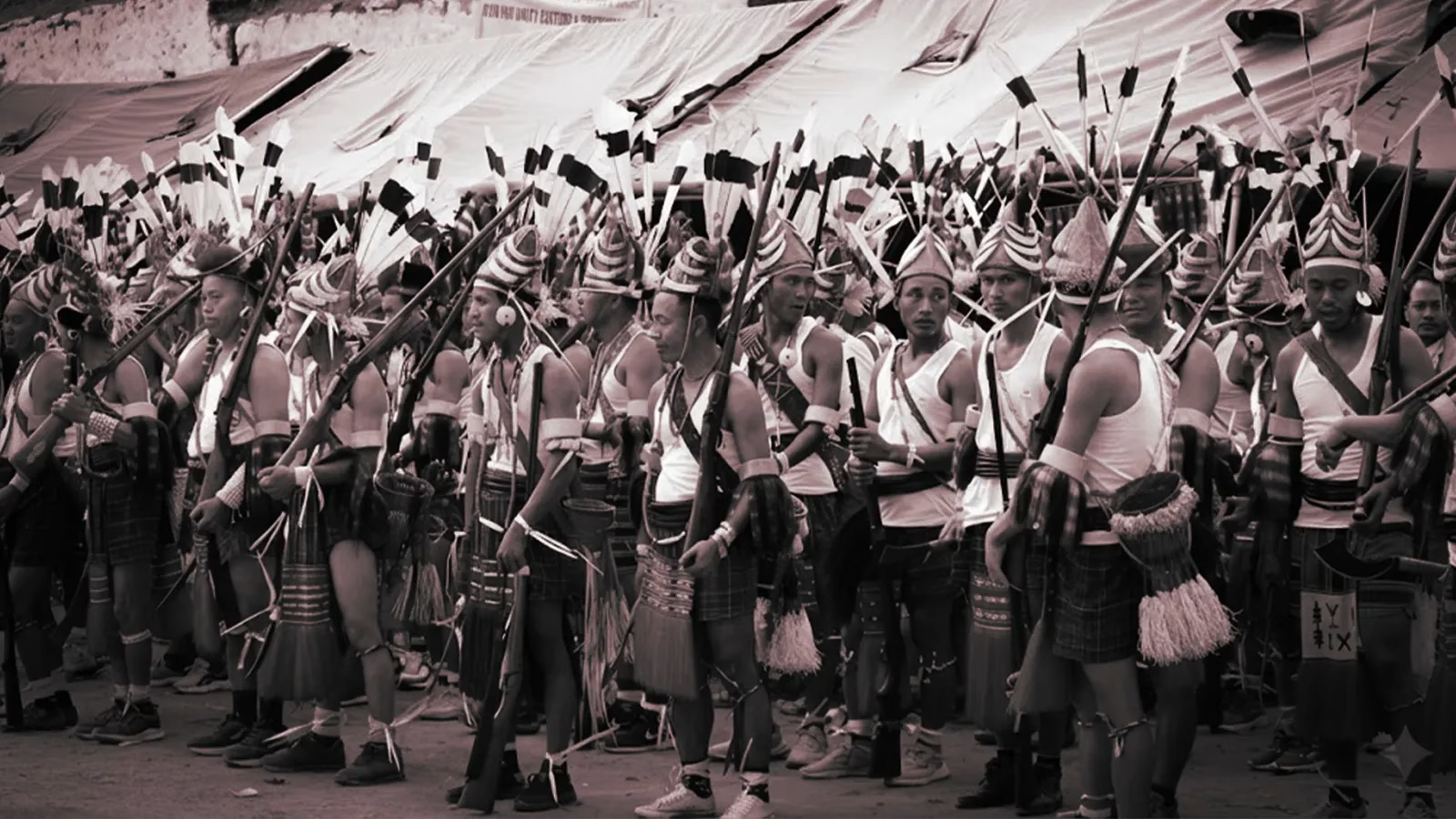
The second day is the spiritual heart of the Chalo Loku festival. Led by the village chief and the priest, the Noctes commute to sacred spots outside the village to offer prayers for health, harmony, and next year’s harvest. After the prayers, people dance in colourful clothes, decorated with beads and hornbill feathers. Mock-warrior dances echo memories of ancient bravery. Gun salutes ring across the hills, showing the strength and unity of the Nocte tribe.
Day 3: Thanlangja – Omen Reading and Farewell
The final day of the festival is quiet, thoughtful, and full of meaning. Elders read omens by breaking eggs over sacred leaves. Their readings guide where next season’s fields might be shifted or how the community should prepare for the coming months. Later, dancers gather again, singing farewell songs to mark the end of the festival. As the sacred fire is put out, the Chalo Loku festival closes with hope, reminding everyone to return with the same spirit the next year.
Cultural Importance: A Festival That Binds a Tribe
More than a harvest celebration, the Chalo Loku festival is the glue that holds the community together. It helps:
- Resolve disagreements among clans
- Encourage unity among villages
- Pass down traditional dances, chants, and weaving skills
- Give youth a sense of pride in their heritage
In the larger canvas of Arunachal Pradesh culture, Chalo Loku is a shining example of how festivals can create identity, belonging, and strength.
Chalo Loku Today: Tradition in a Changing World
Today, the Chalo Loku festival is one of the most popular cultural events among the tribes of Arunachal Pradesh. Even though many young Noctes migrate to cities for education, they return home during the festival because it remains a powerful symbol of home and heritage.
In 2025, the 57th edition of the festival drew thousands of participants, including international visitors eager to experience the rich celebrations. Modern touches like cultural books, music albums, and digital archives are helping preserve the festival, while eco-tourism initiatives are encouraging sustainable travel to the region.
However, the heart of Chalo Loku remains unchanged. The chants still echo with the same strength. The dancers still move in circles, echoing the growth of paddy. The fires still burn warmly in courtyards. And the spirit of the Nocte tribe still shines through every drumbeat and every shared cup of rice beer.
A Festival of Spirit, Not Statues
In a world filled with grand temples and idol-based festivals, the Chalo Loku festival stands apart. It proves that faith can be formless, yet deeply felt. It shows that a community can worship without idols, yet remain spiritually rich and emotionally connected. For the Noctes, Chalo Loku is not just a festival. It is a reminder that the soul of a tribe lies in its unity, its stories, and its unbroken bond with the land.