
Chaitra Navratri: Not Just a Festival, A Story Hindus Live Every Year
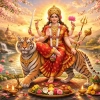
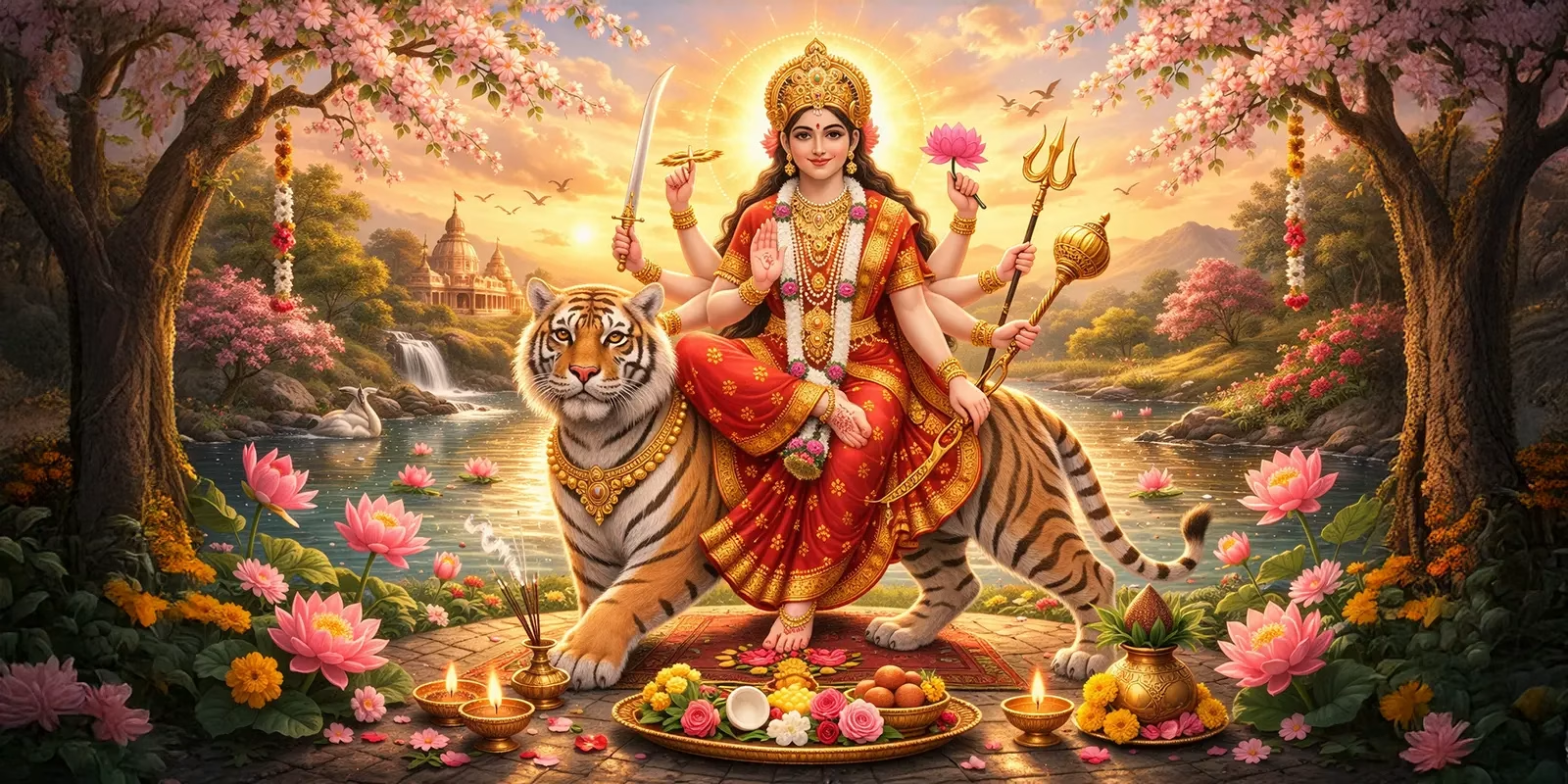
There is a reason why Chaitra Navratri is so celebrated across India. It is not simply a festival marked on the calendars; it is a reminder of an ancient tradition for the Hindus. To them, it feels like a rhythm, remembrance, and a return. The festival is dedicated to Maa Durga, the embodiment of Shakti, and the name Navratri signifies the nine nights dedicated to the goddess.
But beyond just fasting, rituals, and prayers, there is something very personal and meaningful. It is the journey that the devotees go through during these nine days that is connected to spirituality, Hindu legends, and religious significance.
And the journey is not just about worship, but also about awakening.
The Hindu Year Begins Again
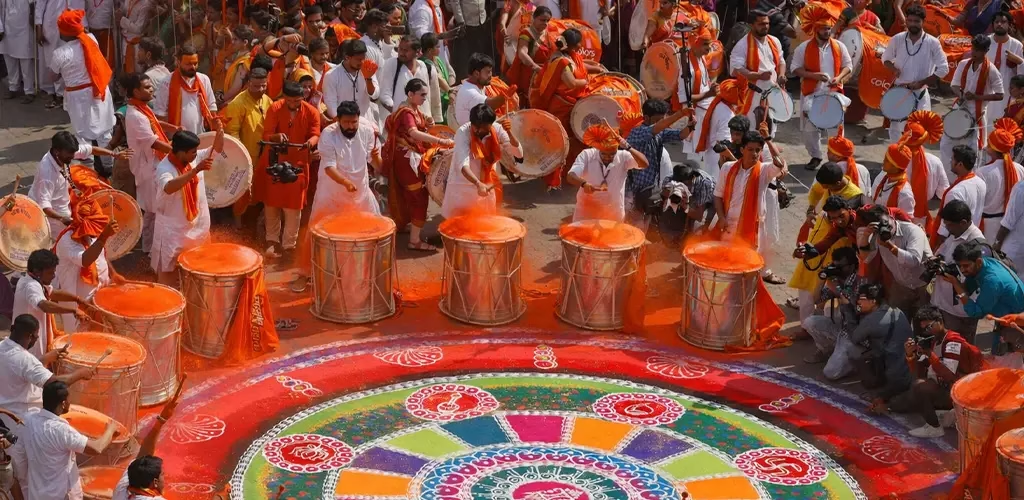
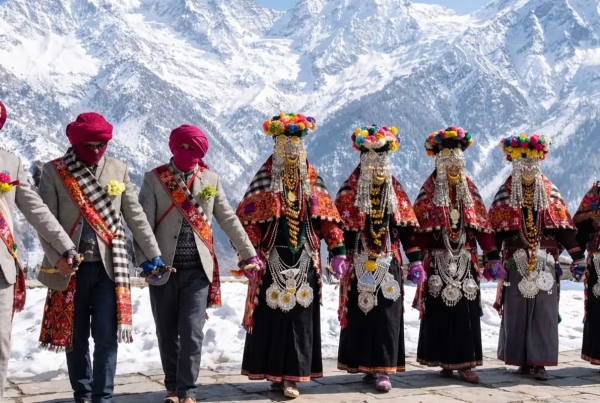
Unlike Sharad Navratri, Chaitra Navratri arrives very subtly and is more rooted in spirituality than simply celebrations. It is usually celebrated during the spring in India. Between the months of March and April, the Hindu calendar resets and the Hindu New Year, also known as Vikram Samvat, begins. It is then that this festival takes the shape of variants like Gudi Padwa, Ugadi, and Navreh.
But while the calendar resets and so does the season, there is something that spiritually resets within Hindus.
Navratri - A Transformation, Not Just a Celebration
One of the most common stories associated with Navratri is of Durga slaying Mahishasura. But what often goes unnoticed is that each of the nine days is not about that. They are about spiritual awakening and harmony.
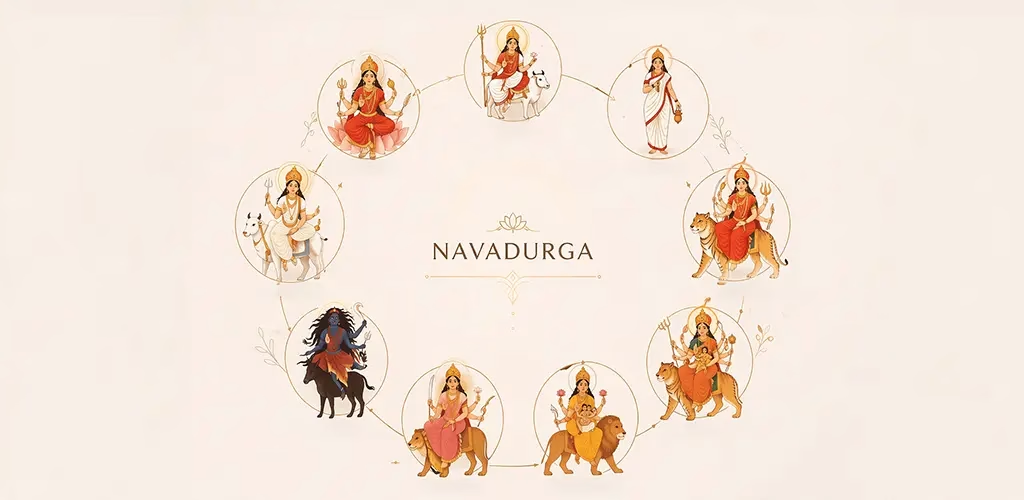
All nine forms of Durga worshipped during Chaitra Navratri trace a complete journey together, starting from innocence and inching towards power. From creation to destruction and transcendence, the festivities of Navadurga puja are not just mythology, but a mirror.
Days 1 - 3: Strength, Discipline, and Inner Awakening
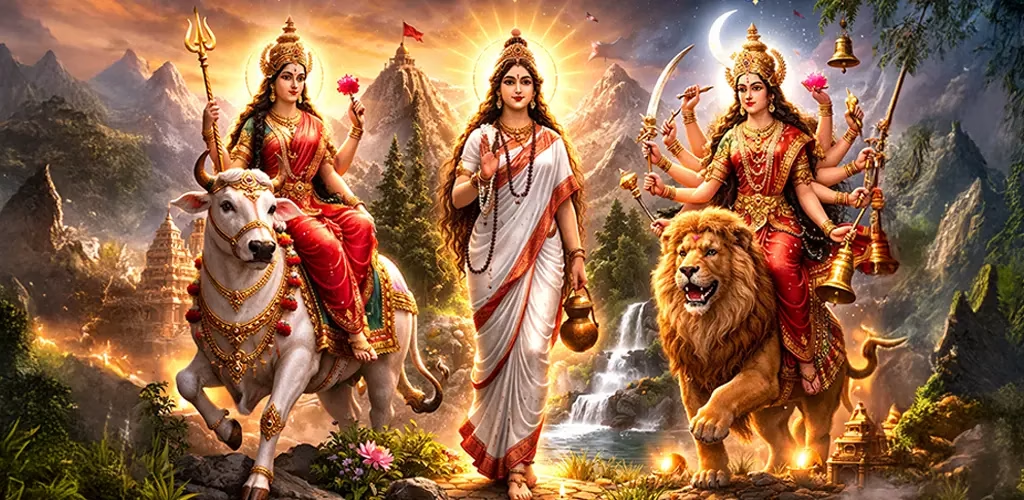
The journey of Chaitra Navratri begins with Maa Shailaputri, the daughter of the mountains.
It is believed that after the rebirth of Sati, she reimagined herself into a form that represents grounding. This was the kind of strength that did not need to prove itself, and a quiet power that was even respected and acknowledged by the Gods themselves.
The next day of Chaitra Navratri marks the celebration of Maa Brahmacharini. She is imagined walking barefoot, choosing penance over comfort and associated with years of tapas with no shortcuts and no distractions. She is a constant reminder that becoming powerful is not loud but consistent.
By the third day, the festivities pursue the transformation of Maa Durga into Maa Chandraghanta.
She is calm, composed, yet ready for battle. Legends state that when Shiva arrived in his fierce form at their wedding, it was she who balanced the chaos with her grace and strength together.
Days 4 - 6: Creation, Nurturing, and the Courage to Rise
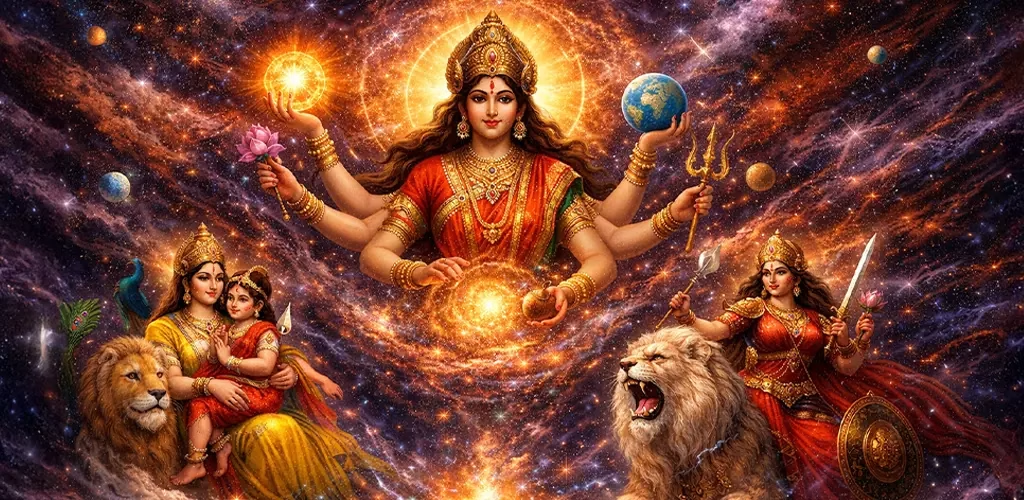
After the third day, something shifts, and the next series of worship begins.
The fourth day starts with Maa Kushmanda, who signifies creation. It is believed that in complete darkness, she simply smiles, and the entire universe is born from the radiance of her smile. She quietly reminds us that even the smallest spark can create something vast and powerful.
On the fifth day, Maa Skandamata is worshipped. She is always imagined holding her son Kartikeya and is considered power in its gentlest form. She is nurturing, protective, and quietly powerful.
The sixth day is marked by Maa Katyayani, who is also the warrior. She is born from the divine energy, and she is the one who slays Mahishasura. The main significance behind this story is that this form of Goddess Durga fights the evil, and not the others, exposing the layers in the character traits of the goddess. It signifies how humans can have different variants of their personalities and how each personality balances the other.
Days 7 - 9: Darkness, Healing, and Completion
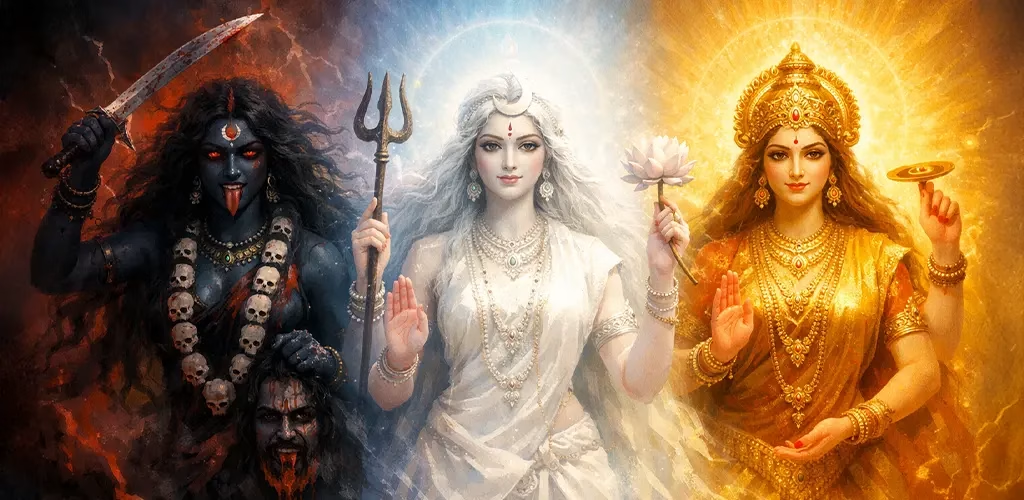
Just when it feels complete, Navratri takes you deeper and into darkness.
The festivities of the seventh Day are marked by the arrival of Maa Kalaratri. She is for Maa Durga, who is fierce, untamed, and terrifying. She is known to have engaged in a battle against Raktabija, reflecting that the chaos multiplies if it is not faced. The battle aims to convey that confrontation is important even when you feel like avoiding it because light can only return once the darkness is over.
And the eighth day of festivities signifies the appearance of light, just like Maa Mahagauri, who is the embodiment of calm, radiant, and peaceful energies.
The festivities of the last day are marked by the worship of Maa Siddhidatri. She is the one who completes the journey of Nav Durga and Chaitra Navratri. She is known to bless the devotees, and with her duality dissolves into balance.
Chaitra Navratri: A Celebration within You
By the end of Chaitra Navratri, something shifts. The Hindu calendar resets, and the New Year begins. The weather starts changing, welcoming the spring and spiritually, the energies shift. And this is the beauty of the festival that it does not simply demand to be celebrated, but also awakens our spirits.