
Chandrahati Shiva Temple: Faith, Architecture, and Astronomy
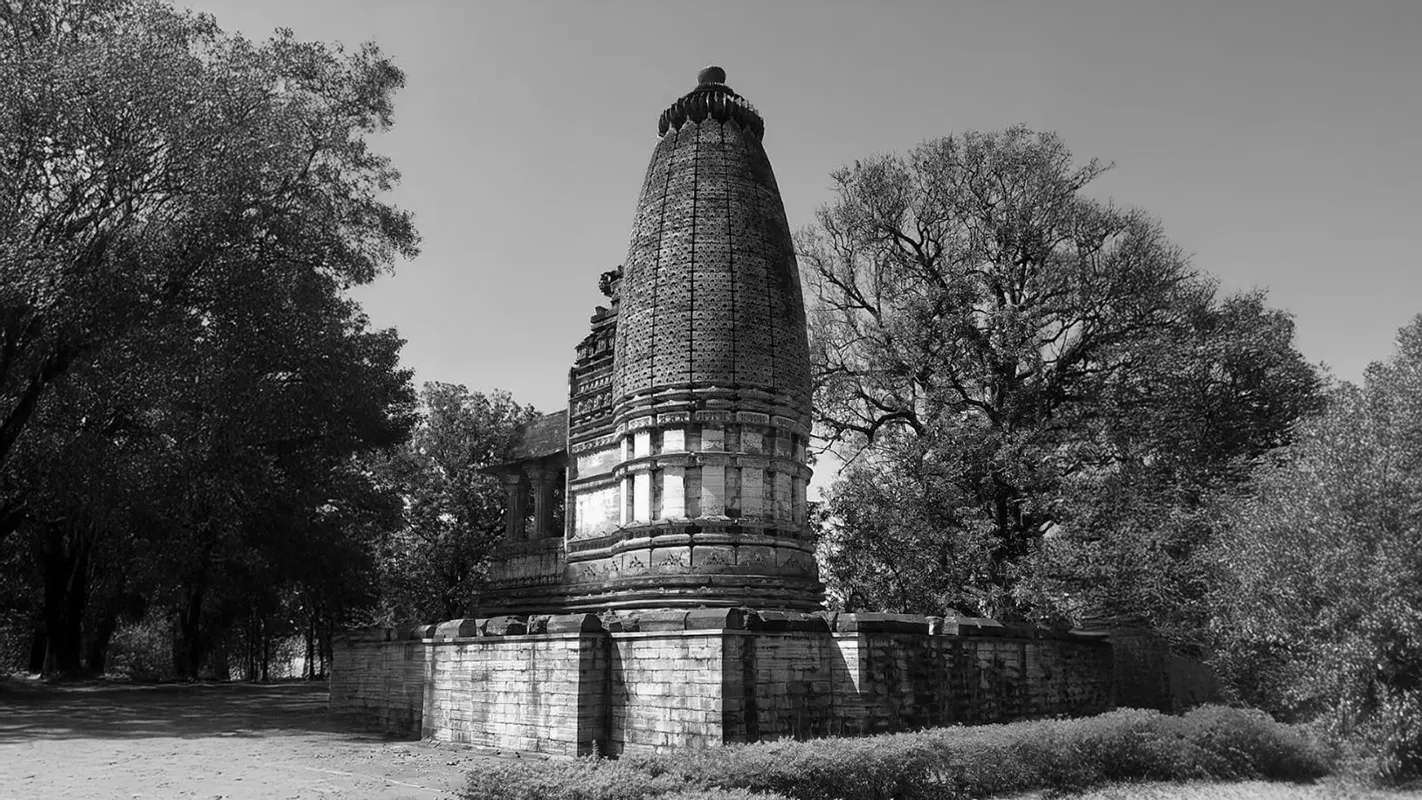
The countryside of the Hooghly district is home to a small but sacred shrine that carries stories of faith, time, and the sky. It is none other than the Chandrahati Shiva Temple, also known as Pandeshwar Shiv Mandir. It is a lesser-known Shiva temple in West Bengal, but its peaceful existence and layered history make it extremely special and interesting. Situated near Pandua, this temple blends mythology, simple rural architecture, and a deep connection with astrology in one shrine.
Unlike grand pilgrimage centres, Chandrahati is not spread over a large area of land. However, it still draws pilgrims with its thorough silence, beliefs, and stories passed down through generations.
Where is the Chandrahati Shiva Temple?
The Chandrahati Shiva Temple is located in the Chandrahati village under the Pandua block of Hooghly district. The premise of the temple is surrounded by green fields, narrow village roads, and seasonal water streams that eventually connect themselves to the Hooghly River. This river has shaped the spiritual and cultural life of Bengal, and many Shiva temples in West Bengal stand close to its flow or its branches.
Reaching the Chandrahati Shiva Temple is extremely simple. From Kolkata, visitors can either opt for a taxi or take a train towards Pandua and then move further with many options of local transport available. The journey to the temple feels slow and peaceful while offering a much peaceful break from the city noise and commotion. This calm setting of the area prepares the visitors and tourists for the temple’s vibes and environment.
A Shiva Temple, Deeply Rooted in the Mahabharat
Local belief connects the temple to the epic of the Mahabharat. According to the generational belief of the village, the Chandrahati Temple is strongly linked to the Pandava brothers. During their years of exile, they worshipped Lord Shiva at this spot and sought strength and guidance. Because of this story, the deity present in the temple is known by the name Pandeshwar, which means “Lord of the Pandavas.”
While the Ved Vyasa’s Mahabharat does not offer a written account about this temple during the exile chapters of the Pandava brothers, the temple is very prominently associated with the stories. Even though many stories hardly find their traces in written proofs, these associations are extremely common in Indian geography. Many temples across India link themselves to events from the Mahabharat, not as historical records but as living traditions of faith, and one such temple is the Chandrahati Shiva Temple in West Bengal.
Simple Architecture but with a Deep Meaning
Architecturally, the Chandrahati Shiva Temple reflects the traditional rural style of Bengal. Built mainly of brick, it follows the aatchala style, which means it has eight sloping roofs. This design was developed to handle heavy monsoon rains and also gives the temple its gentle, curved form.
The temple faces the east direction, aligning with the sunrise. Inside the sanctum is a Shiva lingam, placed on a yoni base, with Nandi seated nearby, just like many other Shiva temples across the globe. The walls of this temple feature terracotta work, which has faded over time. The carvings include the images of Lord Shiva, flowing rivers, and crescent moons. The details might appear modest to an Indian tourist, but they strongly reflect the careful thought and devotion of the people of Pandua.
Compared to famous clusters like Kalna’s 108 shrines, this Shiva temple in West Bengal lets the devotees experience the spirituality of the deity. It allows visitors to stand close, observe quietly, and reflect.
The Moon and the Temple: How the Temple is Different
One of the most interesting and differentiating aspects of the Chandrahati Shiva Temple is its association with the moon. Local beliefs state that on certain nights, especially during the full moon of the Shravan month, the moon appears aligned with the tower of this temple. The locals and the tourists who have witnessed and observed such nights have stated that moonlight appears to fall directly towards the sanctum, creating a special spiritual moment, which is only possible because of the positioning of the moon and the temple’s alignment to suit the piousness of the Shravan month.
The lunar alignment of the temple is not scientifically proven, but the alignment of the moon on full moon nights, especially in the Shravan month, offers a strong case for its scientifically conscious religious architecture.
While the astronomical alignment accuracy has some room for scientific debate, since modern measurements have failed to verify the precision in the architecture, however, for ages, ancient temples have been built on observations rather than instruments, which reduced the precision but still proves the astronomical alignment. The ancient temple builders have aligned structures in accordance with the seasons, rivers, and the movement of celestial bodies.
Thus, the temple perfectly reflects the Indian tradition where faith and nature work together. The moon’s presence and the alignment of the temple strengthen the idea of Shiva as Chandrashekhara, who is the form of Lord Shiva who wears the moon on his head.
Daily Worship and Festivals
Life at the Chandrahati Shiva Temple follows a steady rhythm. Each morning begins with simple prayers and offerings of water, milk, and bilva leaves. On Mondays, which are sacred to Shiva, the temple sees more visitors. Devotees come to pray for health, peace, and family well-being.
During the Shravan month and Maha Shivratri, the temple becomes livelier. People walk barefoot from nearby areas, carrying holy water to offer to the lingam. These festivals connect the temple not only to religion but also to community life. Songs, lamps, and shared meals turn worship into a collective experience.
Role in Local Culture and Tourism
In the present time, the Chandrahati Shiva Temple is garnering attention as part of West Bengal Tourism efforts to highlight lesser-known heritage sites. Recent repairs and better road access have assisted the visitors in reaching the temple more conveniently and easily. Additionally, the local communities consistently remain involved in the care and restoration of the temple.
Women’s groups in the village create small handicrafts inspired by the moon and Shiva symbols in order to sell them as souvenirs that tourists can carry with them, with the essence of the lord here. Seasonal festivals bring together tradition and livelihood. This way, the temple supports both cultural memory and rural development.
Why does the Temple Matter
The Chandrahati Shiva Temple may not appear in glossy travel brochures, but it represents something important. Its connection to Pandua, the Hooghly River, the Mahabharat, the Pandava stories, and its alignment with the moon places it within a wide cultural network. At the same time, it stands as one of the race places of worship that holds a major religious and historical significance, but is not crowded with social media trends and is only surrounded by thoughts of true spiritualism.
A Place Where Religion Aligns with Astronomy
In a nutshell, the Chandrahati Shiva Temple stands as a peaceful meeting point of faith, architecture, and astronomy. Whether one believes in the moon stories or simply enjoys the peaceful surroundings, the temple offers something rare: stillness blended with strong spiritualism.
For travellers exploring Shiva temples in West Bengal, this shrine offers a different experience. It invites the visitors to pause, look up at the sky, align their energies with the moon and the deity in order to feel the slow rhythm of time that continues to flow, just like the Hooghly River nearby.