
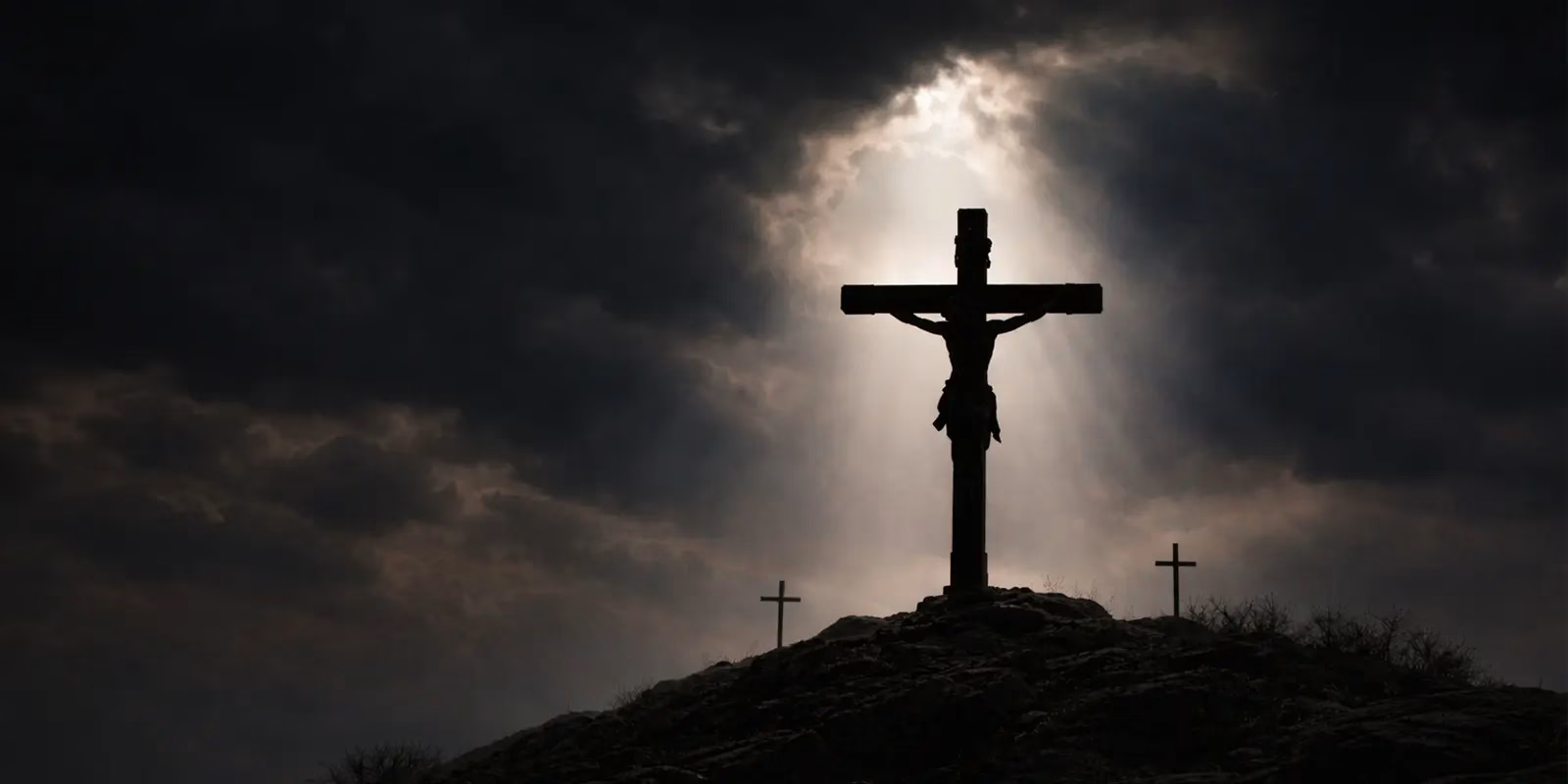
Good Friday: The Silence That Speaks of Sacrifice
There is a kind of silence that feels heavy. Not empty, but filled with memory, grief, and meaning. Good Friday carries that silence.
It is not a day of celebration or a spectacle, but like a pause in time. It is a moment when the world slows down to remember a sacrifice that changed the course of faith. Observed on the Friday before Easter, Good Friday commemorates the crucifixion and death of Jesus Christ at Calvary. It forms part of Holy Week, the journey towards resurrection. Yet on this day, hope stands still, and sorrow takes centre stage.
Why ‘Good’ Friday?
The name feels almost paradoxical. How can a day marked by suffering be called “good”?
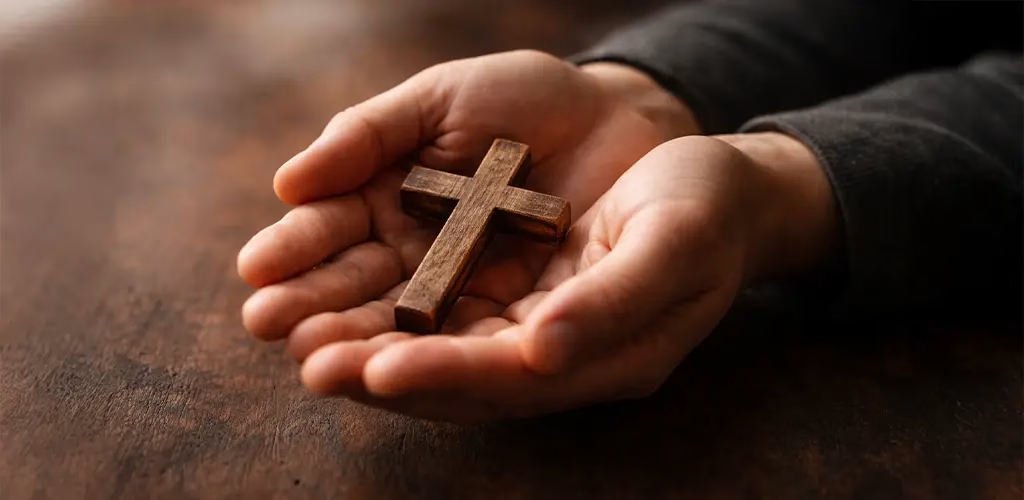
Within Christian belief, the crucifixion is not seen as defeat, but as the ultimate act of love and redemption. Jesus’ sacrifice is believed to atone for humanity’s sins, offering forgiveness and the promise of eternal life. It is “good” not for the pain it holds, but for the meaning it carries.
A Day Draped in Reflection
Across the world, Good Friday is observed with solemnity.
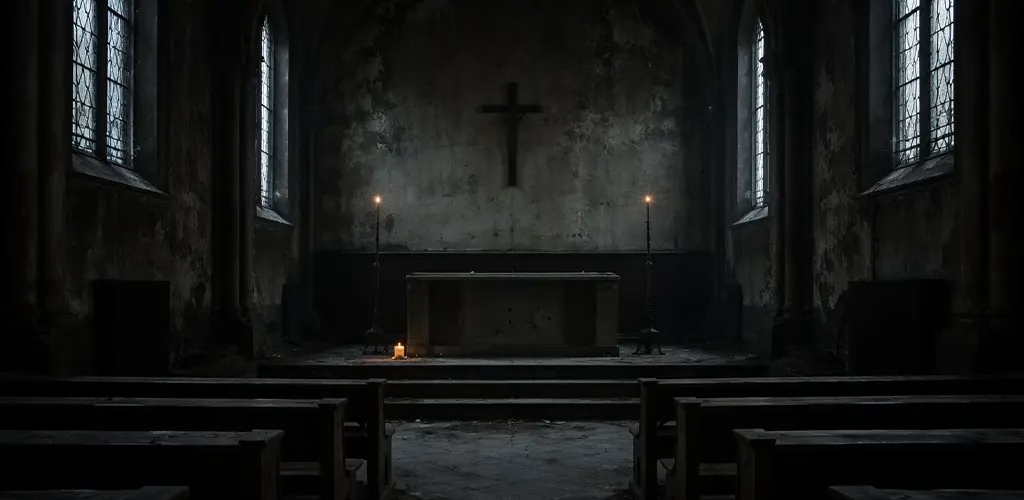
Churches fall quiet, altars are stripped bare, and bells do not ring. Scripture readings recount the Passion of the final hours of Christ, his trial, suffering, and crucifixion. Devotees pray, fast, and often abstain from meat. In many traditions, the Eucharist is not celebrated, marking the absence felt on this day.
The cross becomes central. Believers approach it with reverence – bowing, kneeling, or touching it in silent prayer.
Good Friday in India
In India, where Christianity has deep roots, Good Friday is a national public holiday. From Kerala to Goa, Tamil Nadu to the Northeast, the day unfolds with quiet devotion.
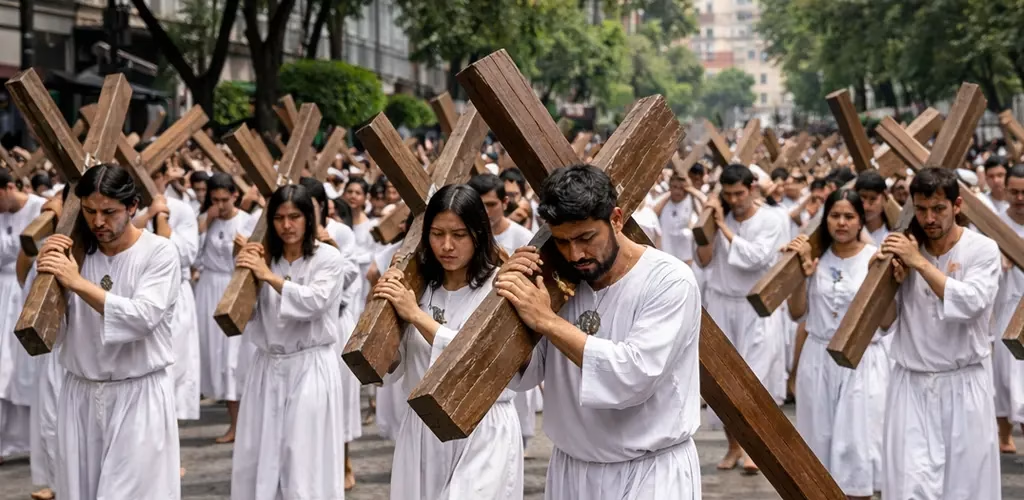
Churches hold extended services, and communities gather in prayer. In many regions, processions and open-air enactments recreate Christ’s journey to the cross, turning streets into spaces of reflection.
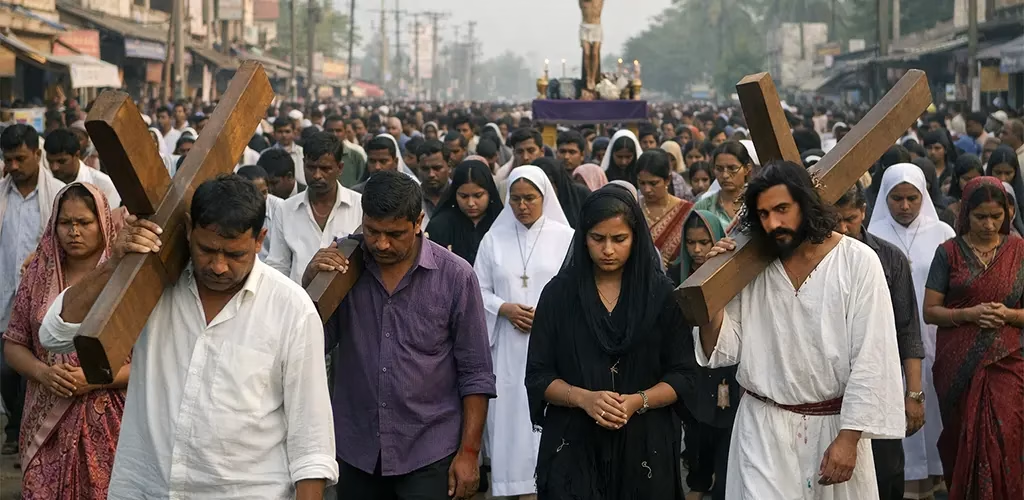
In Goa, elaborate processions reflect Portuguese heritage. In the Northeast, large gatherings mark the day with prayer. In southern states, the focus remains inward, on fasting, penance, and stillness.
Kerala’s Dukha Velli
Nowhere is Good Friday felt more deeply than in Kerala, where it is known as Dukha Velli, the Sorrowful Friday. Here, faith is not just remembered; it is experienced.
The day begins early with long church services. The Passion is read with intensity, and instead of bells, a wooden clapper, the maramani, fills the air.
One of the most powerful traditions is the Way of the Cross. Devotees walk in solemn processions, often barefoot and carrying wooden crosses, stopping at fourteen stations that mark Christ’s journey to Calvary.
A deeply symbolic ritual follows, a bitter drink made of gourd juice and vinegar, recalling the sour wine offered to Christ. The taste is sharp, almost jarring. But that is the point, to feel, even briefly, the weight of suffering.
The Simplicity of Sharing
As the day ends, the fast is broken with humility. Communities share Nercha Kanji, a simple rice gruel served with green gram and pickle. Prepared collectively, it reflects restraint, equality, and togetherness.
There is no excess. Only sharing.
A Day That Waits for Hope
Good Friday ends in quiet. No celebration follows. The world waits, between grief and hope, between sacrifice and resurrection.
In that silence lies its power. It reminds us that meaning often emerges not in triumph, but in endurance, and that the greatest acts of love are those that give everything, asking nothing in return.