
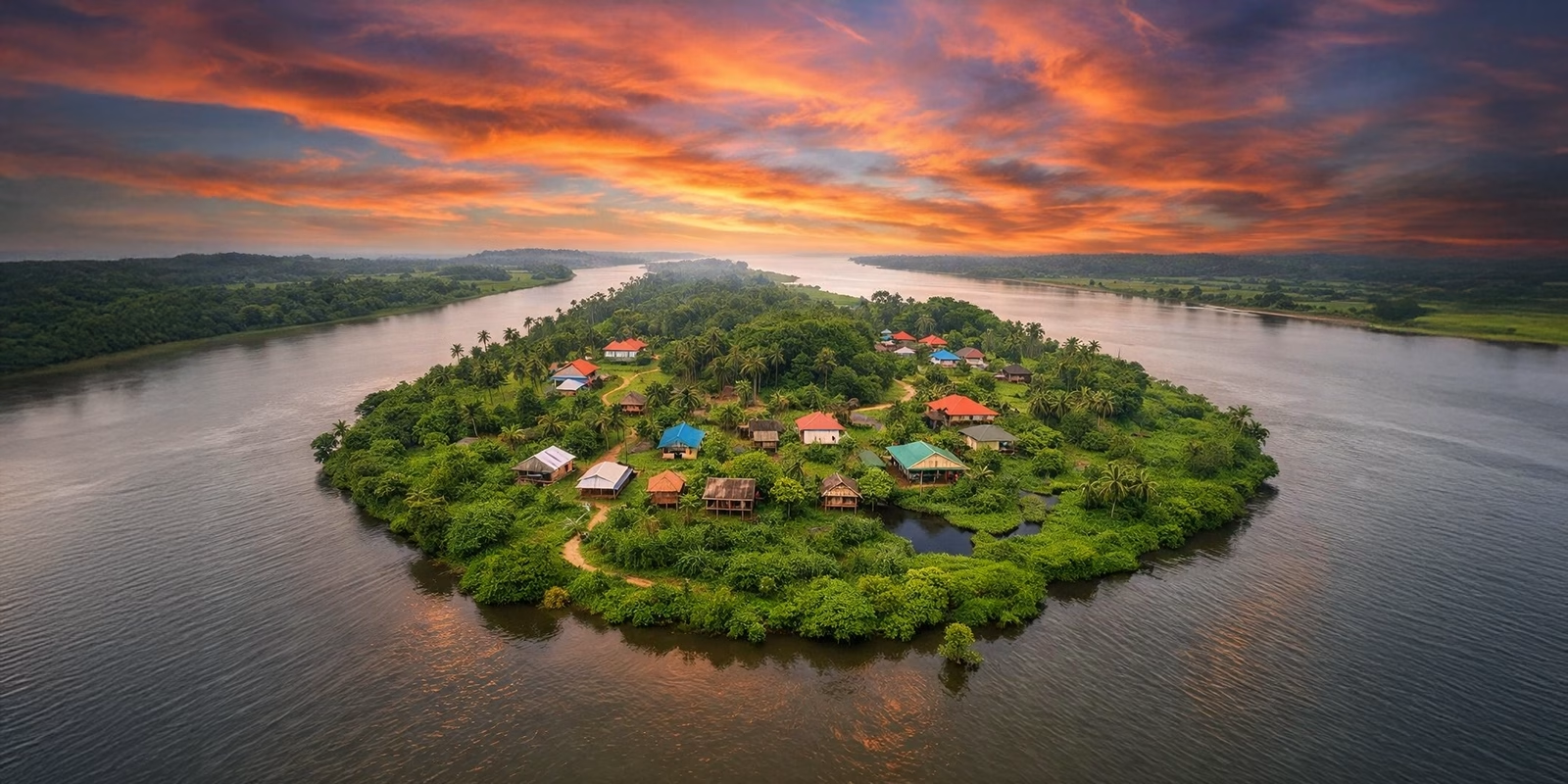
Majuli Island, Assam: A Comprehensive Guide to the World’s Largest River Island
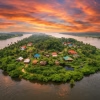
Located in midst of Brahmaputra River in Assam, Majuli is often celebrated as the world’s largest river island, a land where spirituality, culture, and nature exist in perfect harmony. Known for its ancient monasteries, vibrant tribal communities, and slow-paced rural life, Majuli Island Assam stands as one of India’s most culturally significant and visually serene destinations.
Despite facing severe erosion threats, Majuli remains a symbol of resilience, heritage, and timeless beauty. Recognized as a UNESCO Tentative World Heritage Site, the island blends centuries-old traditions with breathtaking landscapes, making it a must-visit for travelers and cultural enthusiasts alike.
Geography and Formation of Majuli
Majuli is a unique fluvial island formed by the shifting currents of the Brahmaputra River Assam and its tributaries, including the Subansiri River and Kherkutia Xuti. Stretching nearly 80 kilometers east to west and about 10 to 15 kilometers north to south, the island is located around 85 to 90 meters above sea level.
Historically, Majuli was once part of a larger landmass known as Ratnapur. A series of devastating earthquakes between the 17th century and a massive flood in 1750 altered the Brahmaputra’s course, splitting the land into branches and giving birth to what we now know as Majuli.
Over time, continuous erosion has reduced the island’s area drastically, from about 875 square kilometers to around 352 square kilometers today. Scientists warn that without strong conservation measures, the island could disappear within a few decades. In 2016, Majuli was officially declared India’s first island district, highlighting its administrative and cultural importance.
A Glimpse into Majuli’s History
Majuli’s history is deeply rooted in Assamese spirituality and folklore. According to legends, the region was once ruled by King Bhismak and served as a flourishing kingdom before natural disasters reshaped it.
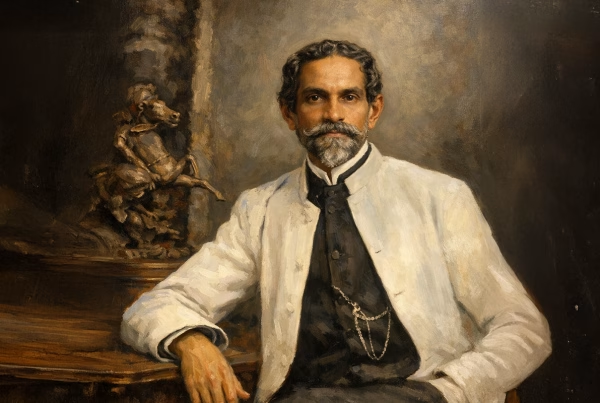
In the 16th century, Majuli emerged as the epicenter of neo-Vaishnavism, led by saint-reformer Srimanta Sankardeva and his disciple Madhavdeva. They established satras, or monasteries, which promoted equality, devotion, and artistic expression. These institutions played a crucial role in preserving Assamese literature, dance, drama, and religious philosophy.
Majuli was also once the capital of the Chutia kingdom and has long been home to various indigenous tribes, making it a melting pot of culture, spirituality, and tribal heritage.
Culture and Communities of Majuli
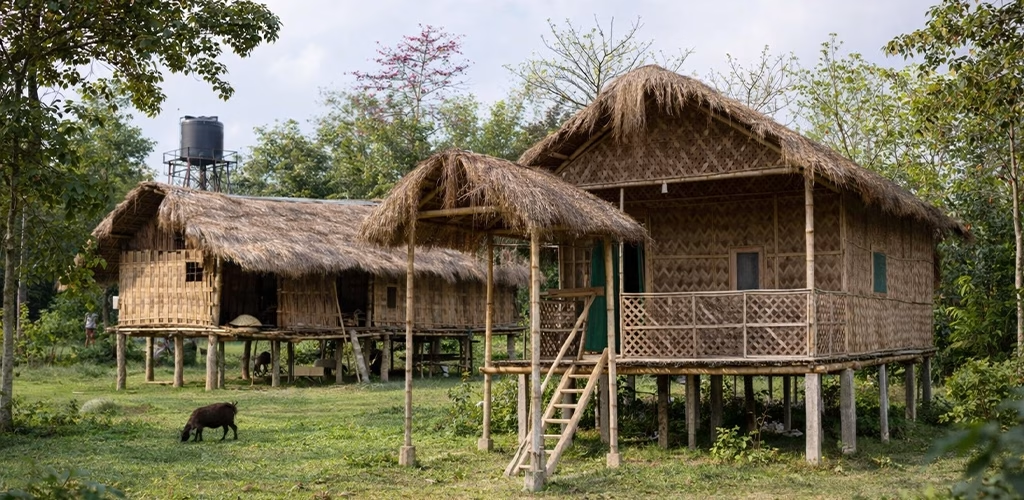
The cultural fabric of Majuli is woven with the traditions of the Mising, Deori, and Sonowal Kachari tribes. Most residents live in traditional bamboo houses built on stilts to protect against floods. Fishing, farming, weaving, and pottery form the backbone of their livelihood.
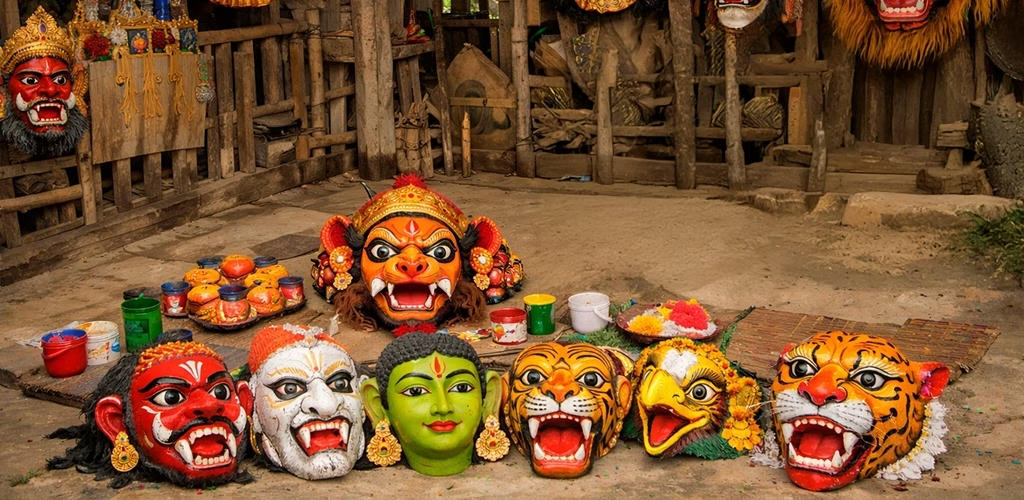
The satras in Majuli are the heart of its cultural identity. These monasteries host devotional prayers, theatrical performances known as bhaona, and the classical Sattriya dance, one of India’s eight classical dance forms. Mask-making is another iconic tradition, particularly at Samaguri Satra, where intricate masks are crafted for religious dramas.
Festivals like Raas Leela, celebrated in November, bring the island to life with music, dance, and elaborate performances. Majuli’s culture is inclusive, with satras welcoming people from all castes and communities, reflecting Sankardeva’s egalitarian philosophy.
Top Attractions and Activities
Majuli offers a perfect blend of cultural exploration and nature-based experiences.
Satras and Monasteries:
- Kamalabari Satra, famous for Sattriya dance and spiritual learning
- Dakhinpat Satra, known for Raas Leela celebrations
- Auniati Satra, home to ancient artifacts and manuscripts
- Samaguri Satra, renowned for mask-making workshops
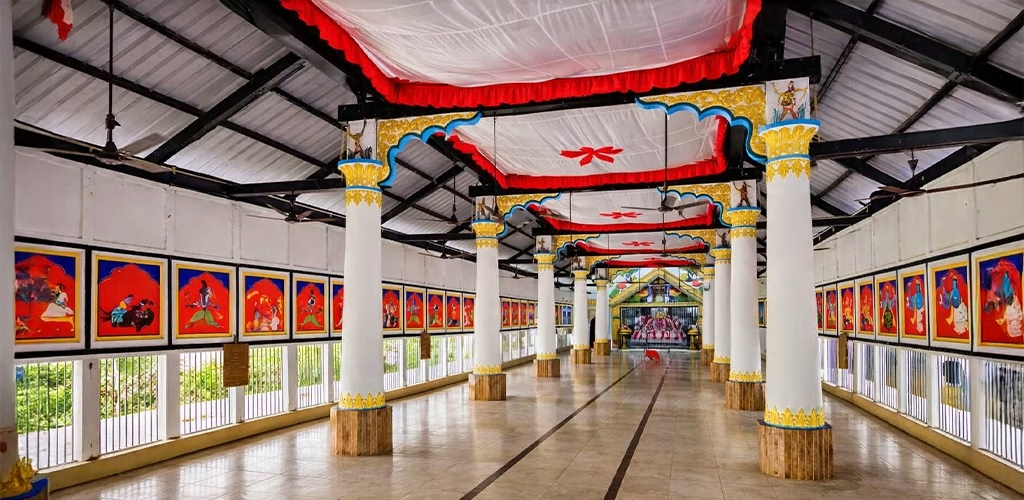
Natural Attractions: The island is a biodiversity hotspot with wetlands that attract migratory birds, making it ideal for birdwatching. Tengapania, Bangalpukhari, and Chetia Gaon offer scenic views and insights into rural life.
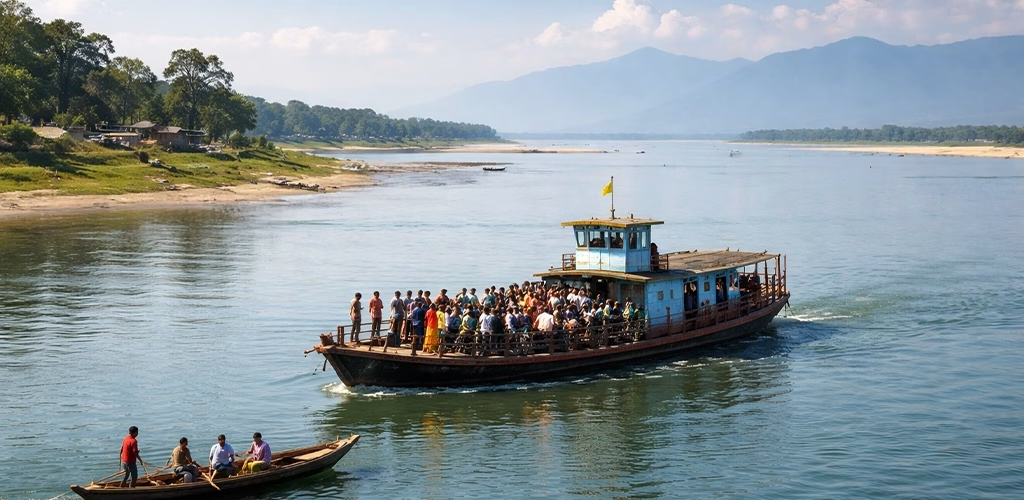
Activities: Travelers can enjoy ferry rides across the Brahmaputra, cycling through villages, boat tours, village homestays, and stunning sunset views over the river. Exploring tribal homes and pottery villages adds to the authentic experience.
Weather and Best Time to Visit
Majuli experiences a subtropical climate. Summers are hot and humid, while monsoons bring heavy rainfall and frequent flooding. The best time to visit Majuli Island Assam is between October and March, when the weather is pleasant and ideal for sightseeing, ferry rides, and birdwatching. January is particularly popular for its dry and comfortable climate.
Monsoon months are best avoided due to erosion risks and limited accessibility.
How to Reach and Travel Tips
Majuli is accessible via ferry from Nimati Ghat, about 20 kilometers from Jorhat. Jorhat has an airport and railway connections, making it the main gateway to the island. Ferries take around one to two hours, offering scenic views of the Brahmaputra.
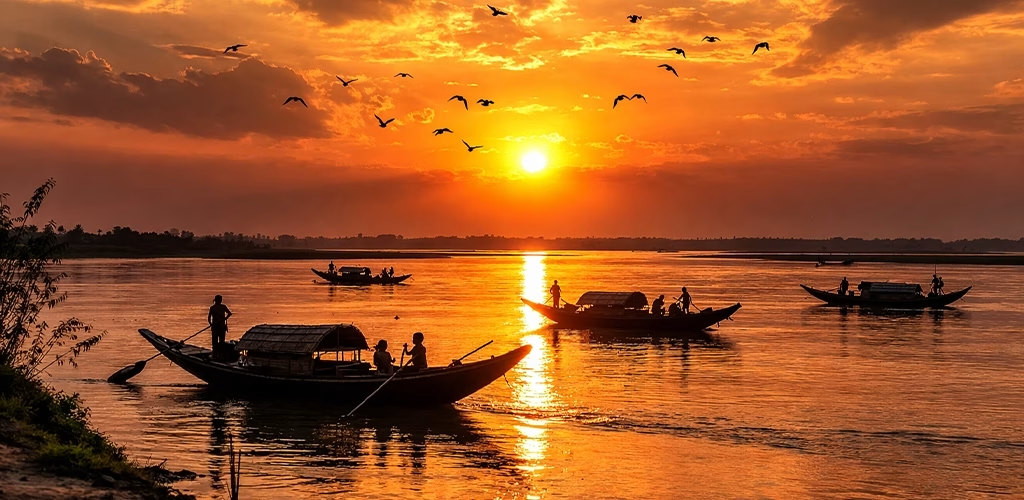
Accommodation options include homestays, eco-resorts, and traditional bamboo huts that provide an immersive cultural experience. Local transport includes bicycles, scooters, and auto-rickshaws, as road infrastructure is basic.
Visitors should respect local customs in satras, dress modestly, carry cash due to limited ATMs, and practice eco-friendly travel to support conservation efforts.
Challenges and Conservation Efforts
Majuli faces existential threats from erosion, climate change, and flooding. Community initiatives, embankments, and sustainable tourism practices are being promoted to protect the island. Tourism plays a crucial role in raising awareness and generating resources for conservation.
Despite these challenges, Majuli continues to inspire with its spiritual legacy, artistic traditions, and serene landscapes, making it one of India’s most extraordinary cultural destinations.
As the world’s largest river island, Majuli stands as a testament to resilience and cultural pride, reminding visitors of the delicate balance between nature and human civilization.