
Maluti Temples, Jharkhand: A Comprehensive Guide to the Village of Forgotten Gods
Hidden in the remote village of Maluti in Jharkhand’s Dumka district lies one of India’s most mysterious and underrated heritage sites the Maluti Temples Jharkhand. Often called the “Village of Temples” or “Gupta Kashi Jharkhand,” this ancient temple cluster is a hauntingly beautiful reminder of a forgotten kingdom, lost artistry, and fading spirituality.
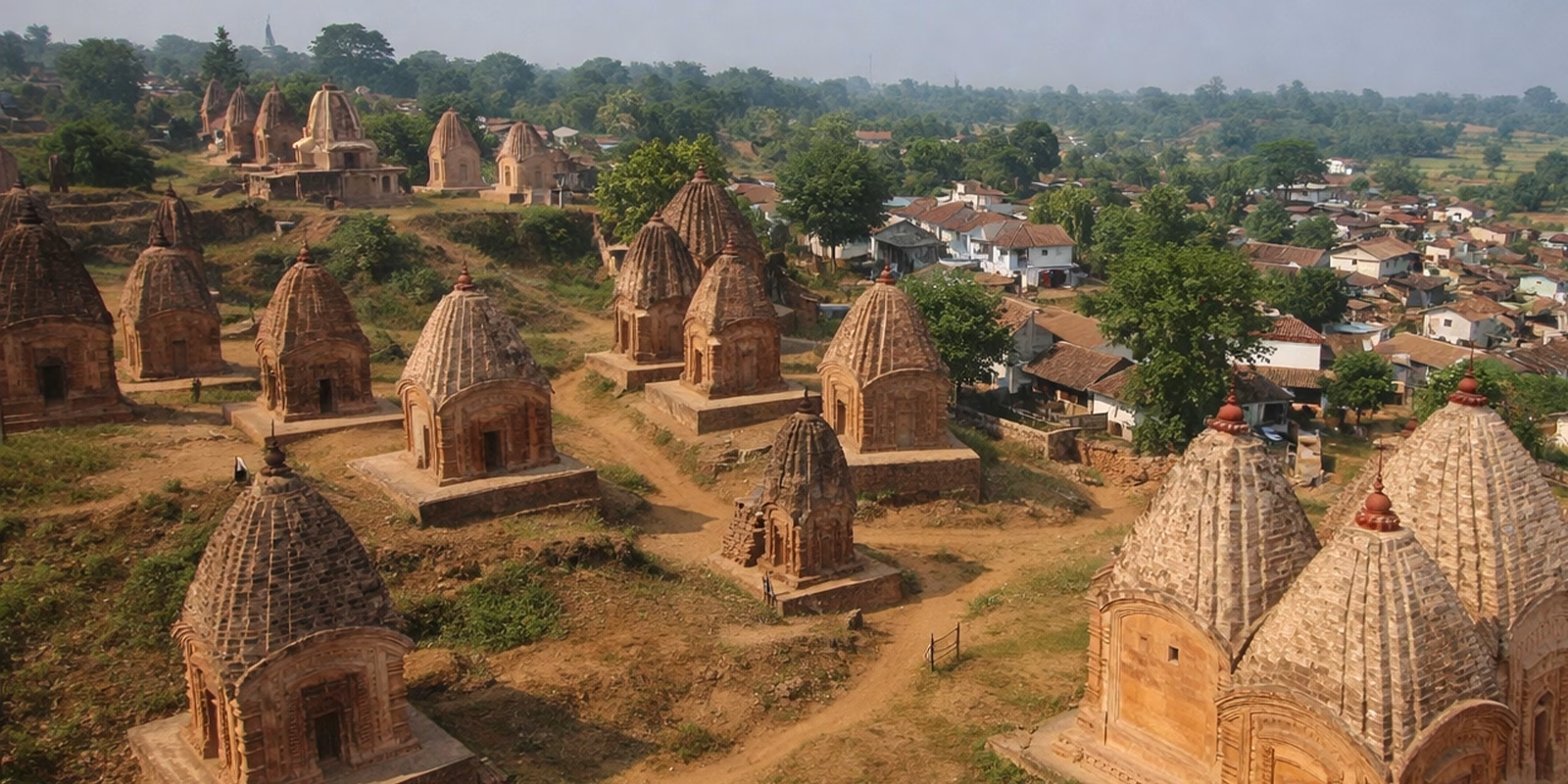
Once home to 108 temples, only about 72 structures survive today, standing quietly amid forests, hills, and rural life. These terracotta temples, built between the 17th and 19th centuries, blend folk art, devotion, and history, making Maluti a rare cultural treasure and a contender for UNESCO World Heritage status.
Geography and Location of Maluti
Maluti village is located on the eastern edge of the Chota Nagpur Plateau near Shikaripara in Dumka district. Around 55 kilometers from Dumka town, the village sits on the banks of the Chila River, surrounded by dense forests, small hillocks, and winding rivulets.
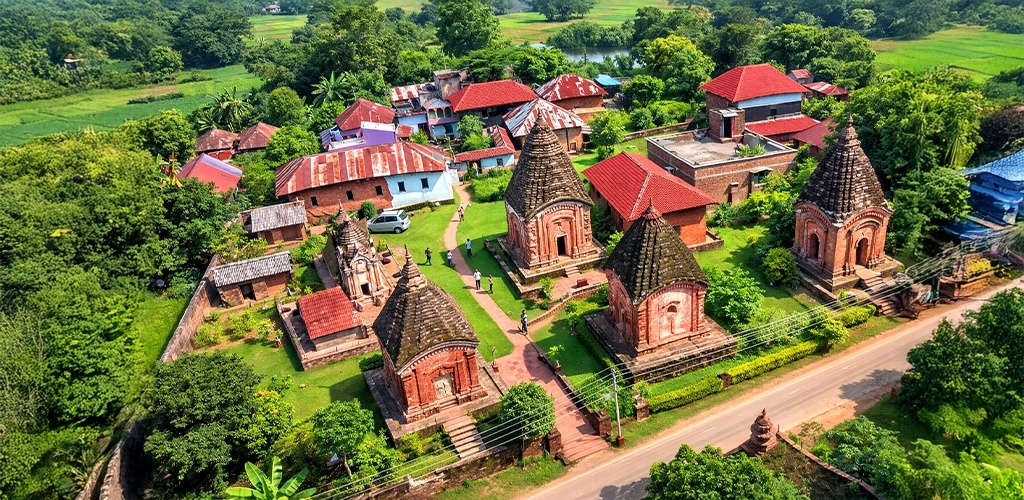
Spread across approximately 406 hectares, Maluti is home to a small population of around 2,500 to 3,000 residents. The temples are scattered across a hilltop within a 350-meter radius, giving the village an almost surreal, time-frozen atmosphere. The remote setting adds to the mystique, making Maluti a hidden heritage gem in eastern India.
History of Maluti Village and Its Temples
The story of Maluti village history dates back to the 15th century, when it became the capital of the Baj Basanta dynasty. This dynasty ruled as a non-kar raj or tax-free kingdom under Mughal influence.
Legend has it that Sultan Alauddin Hussain Shah of Gour granted land to a Brahmin scholar, Basanta Roy, for rescuing his prized hawk. Basanta Roy’s descendants later established the Baj Basanta dynasty and began constructing temples dedicated to their family deity, Goddess Mowlakshi. The Mowlakshi Temple, believed to be over a thousand years old, remains the oldest shrine in Maluti.
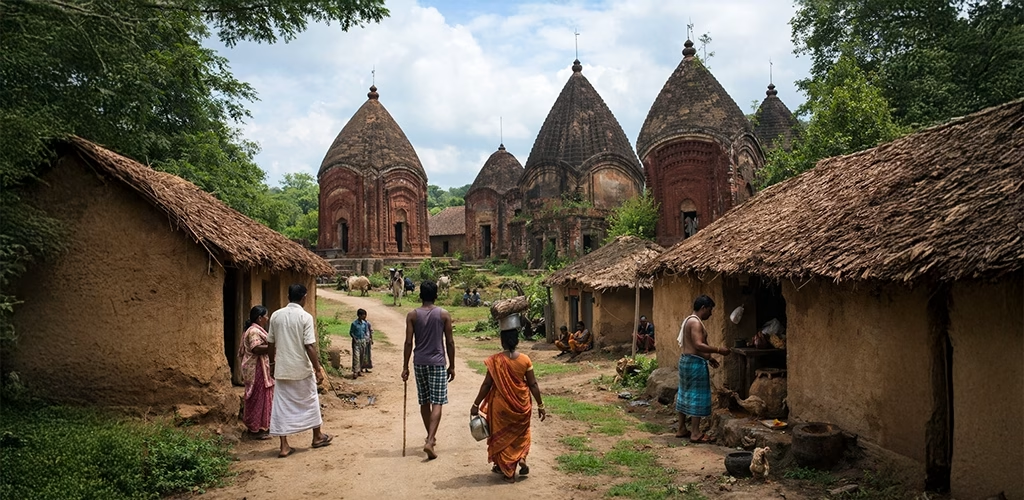
Inspired by deep devotion, the rulers aimed to build 108 temples, symbolizing spiritual completeness in Hindu tradition. Artisans from Bishnupur were brought to craft these structures, merging Bengal temple architecture with local folk art. Over centuries, floods, earthquakes, and neglect reduced the temple count to 72, with several structures now in ruins.
Architecture and Terracotta Artistry
The terracotta temples Maluti are a stunning example of Bengal temple architecture, characterized by curved roofs, brick structures, and intricate terracotta panels. Despite their modest size, the temples are rich in artistic detail.
Terracotta carvings depict scenes from the Ramayana and Mahabharata, battles of gods and demons, village life, floral patterns, and mythical creatures. Inscriptions found on temple walls offer glimpses into the socio-political history of the era.
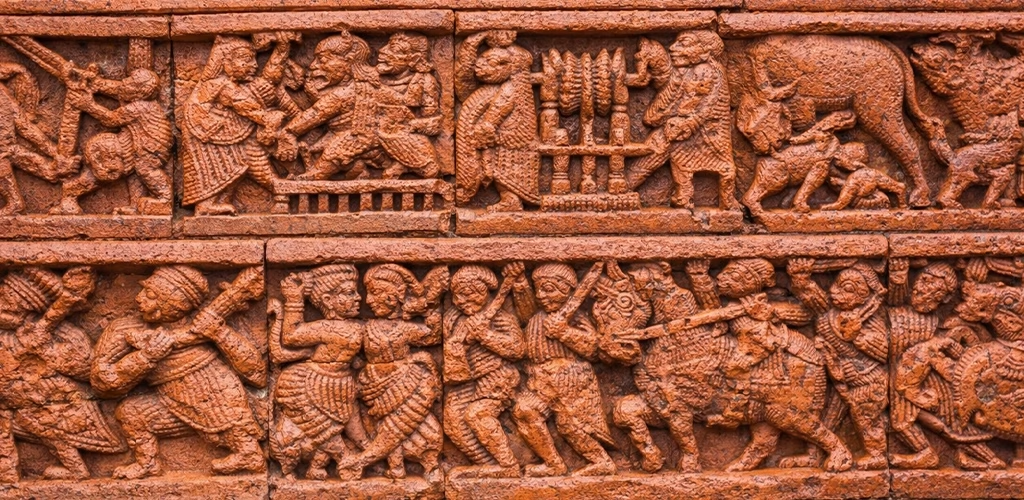
The artistry reflects a unique folk aesthetic. It is raw, expressive, and deeply symbolic. This showcases the creativity of rural artisans. Deities worshipped here include Shiva, Durga, Kali, Vishnu, and the tutelary Goddess Mowlakshi, with each temple dedicated to a specific form of divinity.
Cultural and Religious Significance
Maluti is often described as a living museum of Hindu devotion and indigenous craftsmanship. In its prime, the village rivaled Varanasi in spiritual importance, earning the nickname “Gupta Kashi.”
Even today, festivals like Kali Puja, Pous Mela, Dol or Holi, and Poila Baisakh attract locals and pilgrims. The temples serve as centers of worship and cultural gatherings, preserving traditions passed down through generations.
Recognized as one of the world’s most endangered cultural heritage sites by the Global Heritage Fund, Maluti has become a focal point for conservation efforts by organizations like the Indian Trust for Rural Heritage and Development ITRHD.
Attractions and Things to Do
Exploring Maluti is like walking through a forgotten chapter of Indian history.
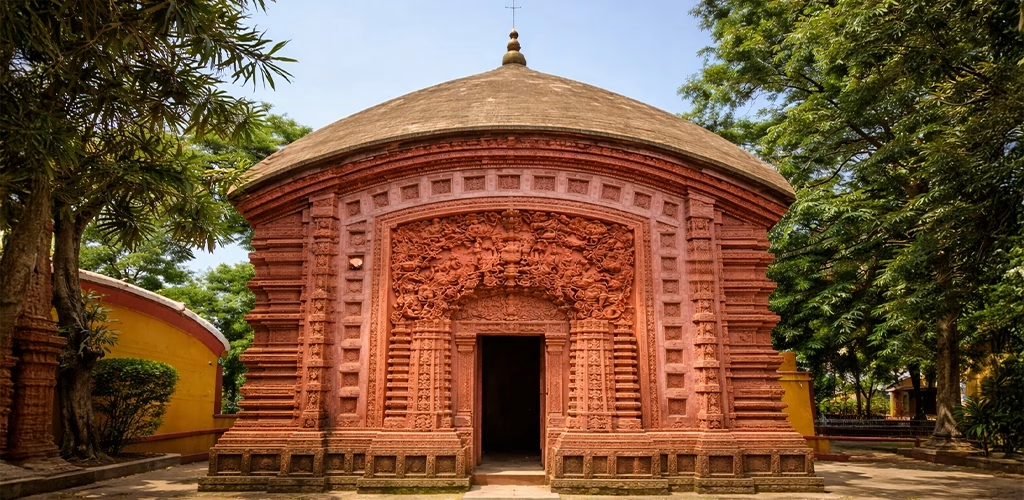
- Temple Exploration: Visitors can wander through the 72 surviving temples, with the Mowlakshi Temple being the most significant. Each cluster tells a different mythological and historical story through its carvings.
- Terracotta Art Viewing: The intricate panels are best admired up close, revealing detailed depictions of gods, goddesses, warriors, and daily village scenes.
- Village Life Experience: Maluti offers a glimpse into rural Jharkhand, where life moves slowly, and traditions remain intact. Interacting with locals adds depth to the visit.
- Nature Walks: The Chila River and surrounding forests offer peaceful settings for nature walks and photography.
How to Reach Maluti
<pstyle=”padding-bottom:3px;”>Maluti is remote but accessible with planning.
- By Road: Dumka is about 55 km away, connected via Shikaripara. Rampurhat railway station in West Bengal is only 18 km away and offers better connectivity.
- By Train: Rampurhat is the nearest major station with frequent trains from Kolkata and other cities.
- By Air: The nearest airports are Kolkata (about 250 km) and Ranchi (about 200 km), followed by a road journey.
- By Bus or Cab: Local transport includes auto-rickshaws and hired vehicles, though roads can be rough, adding to the rustic adventure.
</pstyle=”padding-bottom:3px;”>
Best Time to Visit and Practical Tips
The best time to visit Maluti is between October and March, when the weather is pleasant and ideal for exploring. Winters are cool and comfortable, while monsoons bring lush greenery but can make travel difficult.
Tips for Visitors:
- Wear modest clothing while visiting temples.
- Carry water, snacks, and cash, as amenities are limited.
- Hire a local guide for historical insights.
- Accommodation options are basic in Maluti; Dumka offers better hotels and guesthouses.
Challenges and Conservation Efforts
Many temples are deteriorating due to weathering, floods, and lack of maintenance. Only 72 temples remain from the original 108, and several are in fragile condition.
Government and heritage organizations are working to restore and promote the site, with ongoing efforts to secure UNESCO World Heritage recognition. Sustainable tourism is seen as a key solution to preserving this fading legacy.
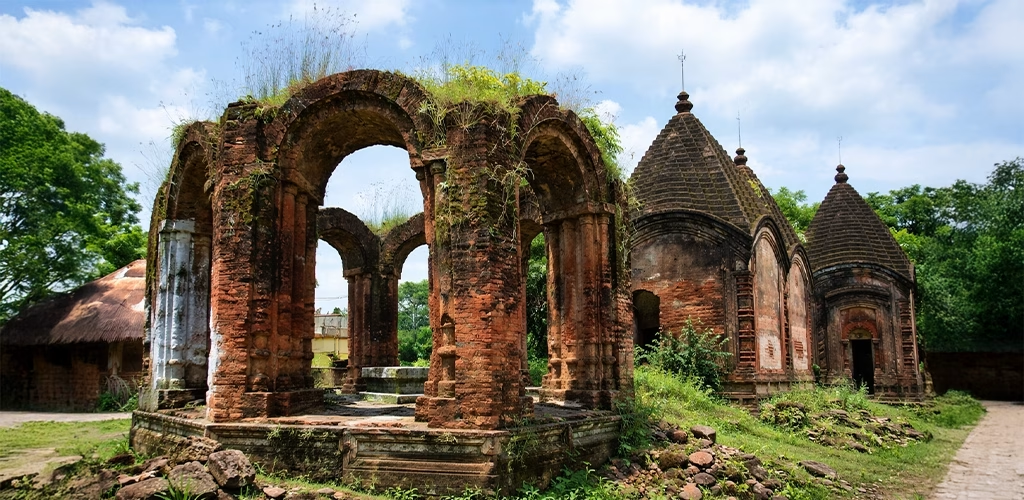
Maluti is not just a village; it is a time capsule of India’s regional kingdoms, folk artistry, and devotional architecture. The ancient temples Dumka region continues to inspire historians, travelers, and conservationists alike.
As one of India’s most endangered heritage sites, Maluti stands as a powerful reminder of the need to preserve cultural memory. Visiting Maluti is not just a journey through temples. It is a journey into a forgotten civilization that once flourished in silence.