
Winter Carnival and Himachal Folk Plays in Manali
For the Himalayas, January is a month that brings a lot of climate change and associated cultural memories. From regions of Uttarakhand to the cities of Himachal, the villages and the Pahadi communities celebrate the winter season and snow-clad mountains with vigour and traditional rituals. While many festivals and cultures have died with time, a few still commemorate the celebrations today, but there is one event in Manali in the month of January that celebrates all the cultures and their memories.
This is the Manali Winter Carnival, which is very popular among tourists for its folk place, rituals, and community dancers. Manali steps into the world of tribal celebrations and festivals at this event, and unlike any flashy festival, this event is a celebration of Himachal traditions that have survived the snowy climate and centuries of change. With winter folk performances in spaces like the Temple, Courtyard, village maidans, and snow streets, this festival shines as a reminder of traditional life.
The history of Manali Winter Carnival
In order to highlight and celebrate the indigenous art forms of Himachal Pradesh, the Maahi Winter Carnival was started in the early 2000s. What started as a state-level celebration of culture and traditions soon turned into a national-level festival with a local heart. Tribes and communities such as the Gaddi and Kinnauri groups come down from the Kullu Valley to talk about ancient rituals, myths, and folk tales that have been passed on through generations and oral stories. While the tourists enjoy the stories and performances, Himachali communities experience cultural continuity, where their stories continue to be passed down from one generation to another.
Nati dance, the highlight of the festival
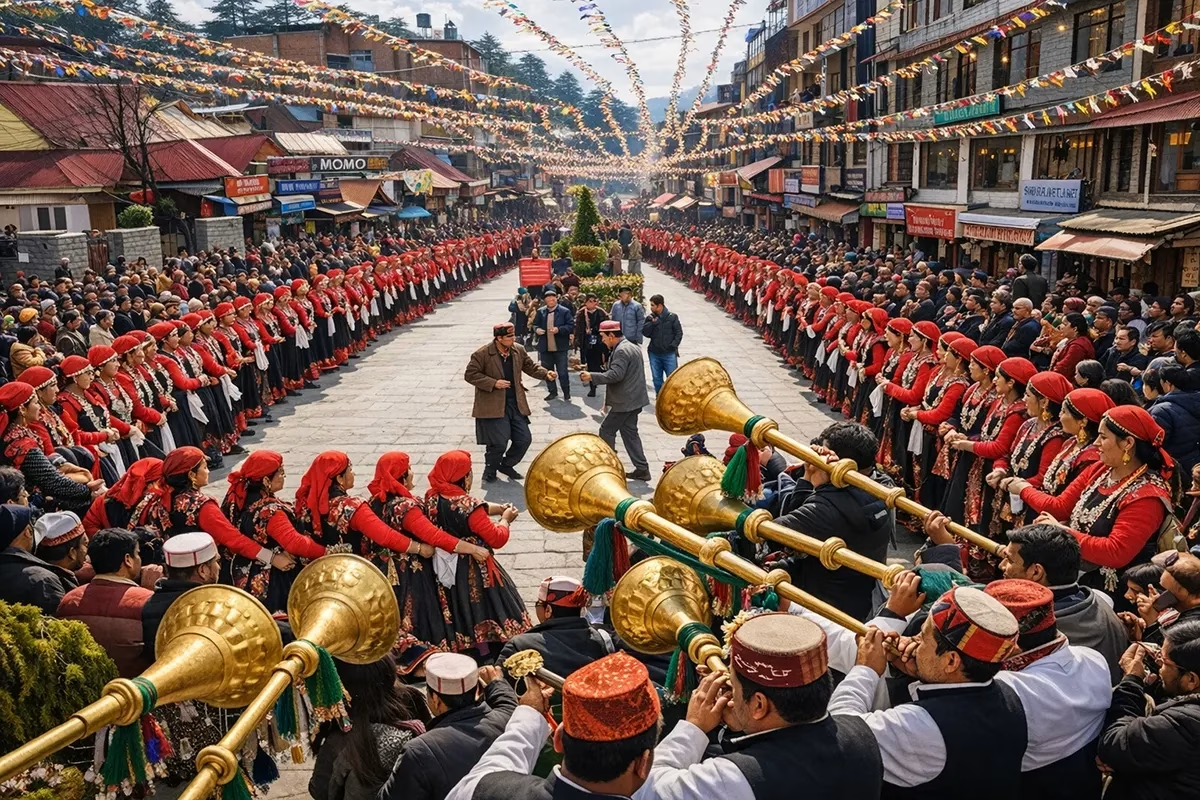
Nati dance Himachal is one of the main highlights of the Manali Winter Carnival. Featuring mass participation of communities, this dance celebrates the tradition and culture of Himachal Pradesh. For the Himachal, Nati is not just a dance, but a way to celebrate the memories of their culture and tradition. During the Manali Winter Carnival, men and women form groups that move slowly in circular motion, matching the beats of Dhol, Nagara, and Narsingha.
The Kullu Nati Performances are one of the most loved and celebrated performances in this festival. Communities of women, often in numbers of hundreds, perform the dance, dressed in traditional attire is. The feature in black floral pattu, red headscarves, and heavy Silver Jewellery, which is highly associated with the Himachal dressing tradition. It is believed that every moment of the dance is filled with stories and tales of harvest, devotion, and seasonal cycles.
Nataks of Manali Winter Carnival
Manali carnival is distinguished from any other carnival or event in Himachal Pradesh or any other state by the Himachal folk plays. These are set up and staged as small theatrical skits with the intent to bring the ancient myths and folklore to life. While the props are minimal, the actors ensure that they communicate and express through maximum expression and emotion.
The stories that they perform are based on gods and demons, forests, spirits, and moral conflicts inspired by regional folk tales and Hindu epics. To demonstrate the stories, the local youth and elders practice dialogues, wear masks, and interact with the audience while performing these nataks or myths. These skits are not fancy or heavily staged, but deeply rooted in simplicity with one intention, and that is to draw the attention of the audience to the stories and performances rather than to other elements.
Masks, processions, and fire
Another aspect of the Manali Winter Carnival is the masked processions. To celebrate the folk traditions that are demonstrated in the carnival, performers wear handcrafted masks that represent highly commemorated deities, demons, and tribal guardians. All of the performers join various parades that process through the streets of Manali, and in these processions, the masks and an ess are a presence of ancient beliefs and culture. It is believed that these processions invoke protection, fertility, and balance between humans and the environment. Once the day hits evening time, locals gather around bonfires, and celebrate by singing folk songs, narrating stories and folklores and performing Nati dance Himachal. These fires not only provide warmth and comfort to the people, but they are also symbolically important to the communities, as it is believed that they shall ward off cold, darkness, and spirits of winter.
A festival that celebrates culture thoroughly
Manali cultural festival is not rooted in commercialisation and does not intend to draw huge crowds. It is its simplicity and cultural groundedness that invite tourists and enthusiasts from all across the country. The event is always organised and celebrated with a community-first approach and is shaped by the spirit of participation rather than the pressure of displaying an official or formal performance.
The site of snow-covered villages, glowing bonfires, circular dancers, and drumbeats creates a timeless atmosphere for the visitors to get attracted to. The best way to experience this Winter carnival is not to stick to the main stages, but to explore the living traditions that are celebrated in every street and corner of Manali.