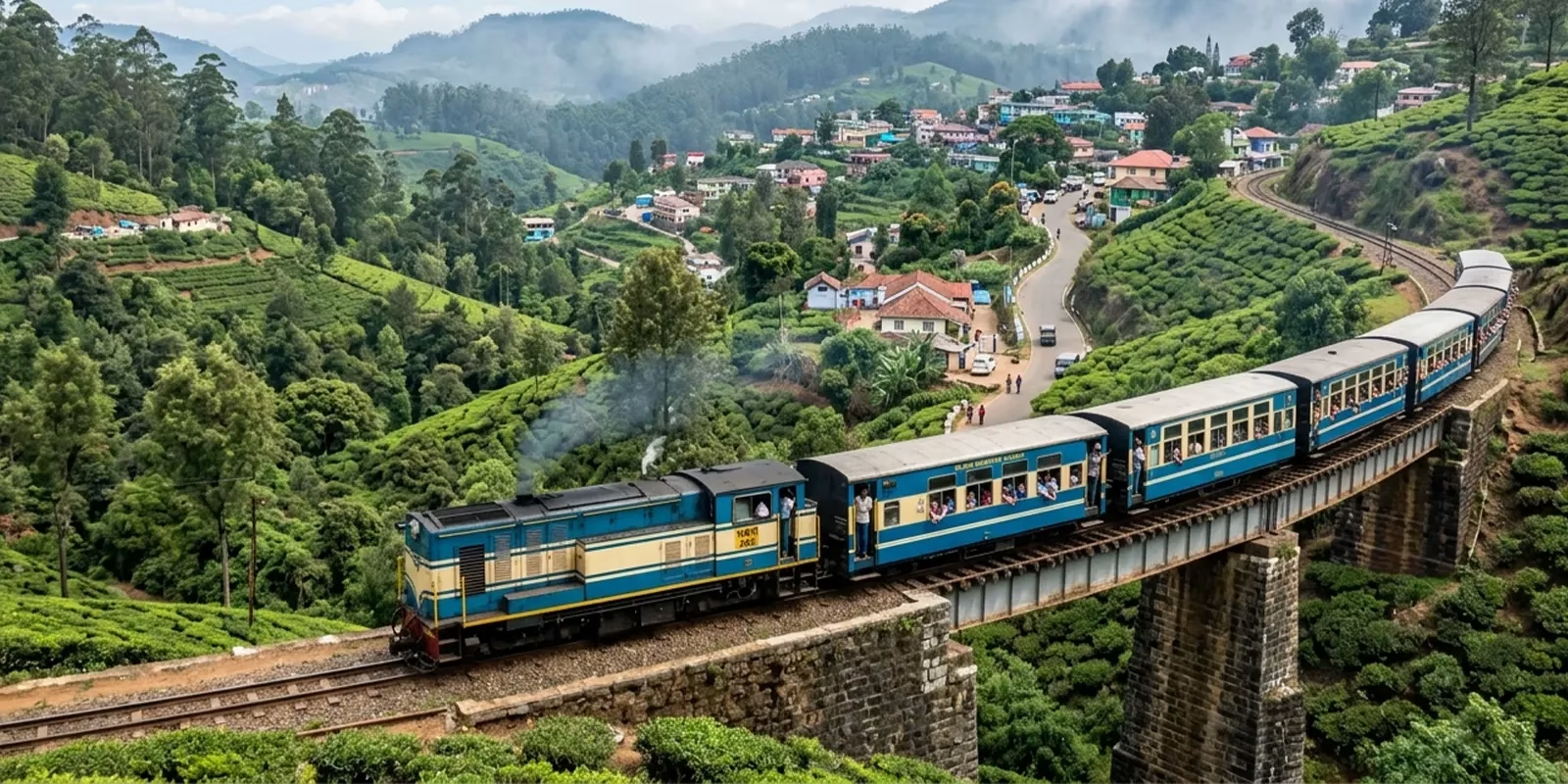
Living in India, one often thinks that they know everything about it. But the truth is only the contrary.
Rajasthan is usually associated with deserts, Goa with beaches, and Kashmir with mountains that feel almost too perfect to be real. But these are just incomplete travel recommendations because India is not just one thing at one time. Here, every season tells a different story, and every story brings new travel experiences.
This is not a guide, but a study of moments when some place in India feels exclusively ethereal at one particular time. Across twelve months, the country changes not only in landscape but in character, and those who arrive at the right time encounter something far more exceptional than what we usually know.
January: Rajasthan - When the Desert Softens
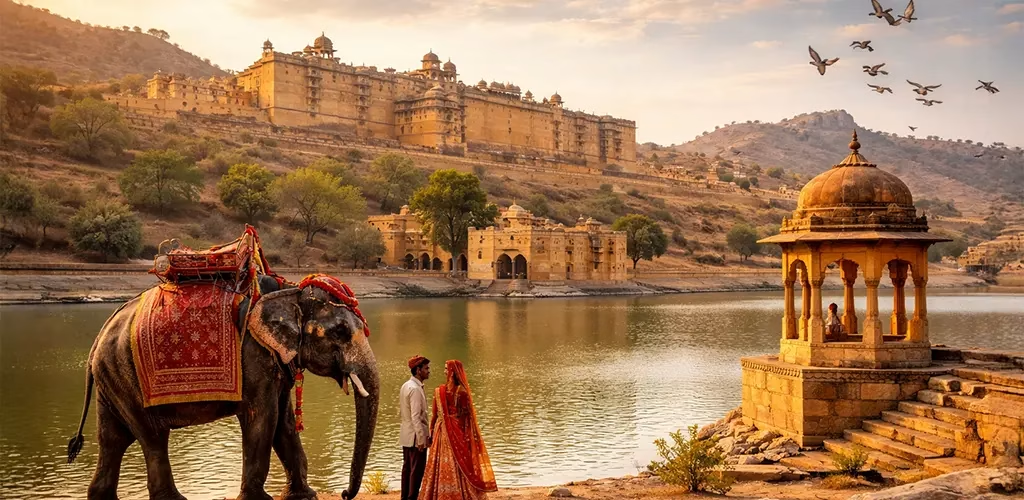
In January, Rajasthan settles into a quieter presence. The harshness of the summer months recedes, allowing its architecture and landscapes to be experienced without urgency. The winter sun moves gently across sandstone walls, revealing textures that remain hidden during more intense seasons.
Beyond the cities, villages wake slowly into cold mornings, and older havelis seem to hold onto a deeper, more luminous shade of gold. As evening approaches, the desert transforms into something more expansive. The silence becomes more pronounced, the air turns crisp, and the sky stretches uninterrupted, offering a sense of scale that feels both vast and deeply personal.
February: Goa - When the Noise Recedes
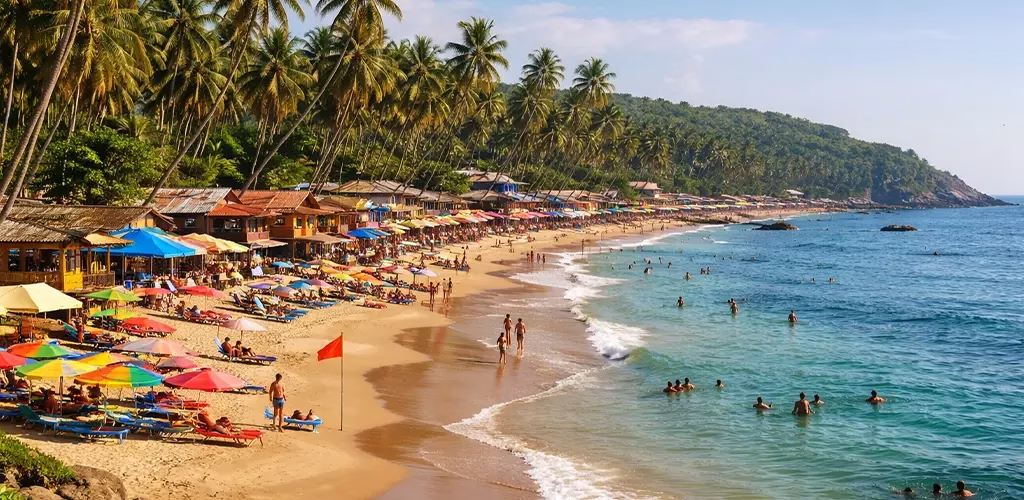
By February, Goa begins to return to itself. The crowds that define its peak season gradually disperse, leaving behind a version of the state that feels more grounded and uncontrived.
The beaches lose their urgency, and smaller spaces such as local shacks become centres of slower, more meaningful interaction. The sound of the sea regains its clarity, no longer competing with the excesses of high season. Further inland, spice plantations and mangroves exist in a state of calm continuity, while seasonal celebrations begin to reflect local rhythm rather than external expectation. In this quieter phase, Goa reveals a depth that often goes unnoticed.
March: Vrindavan - Where Celebration Becomes Devotion
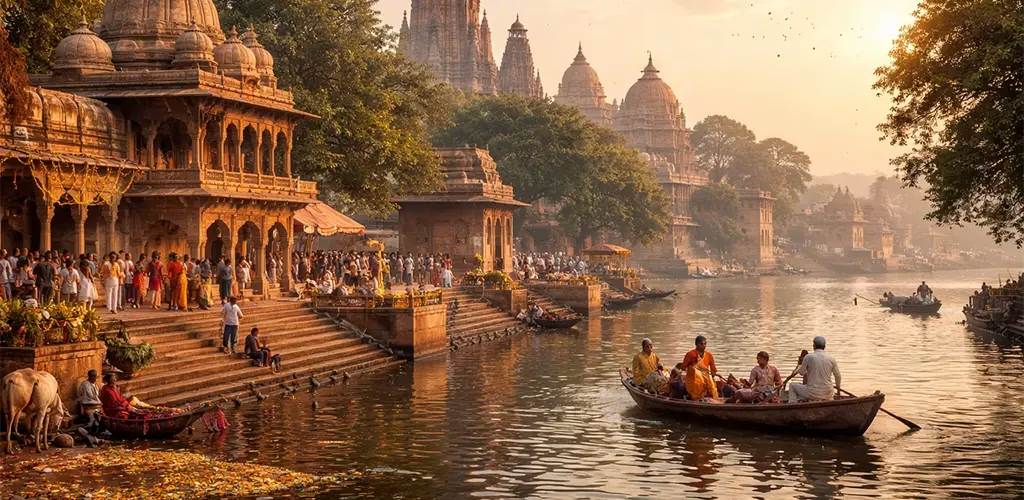
March in Vrindavan introduces a powerful convergence of celebration and spirituality. The festival of Holi fills the streets with colour and movement, creating an atmosphere that feels immersive and, at times, overwhelming.
However, beneath this intensity lies a more structured expression of devotion. Each temple interprets the celebration differently, with moments such as the floral rituals at Banke Bihari offering a gentler, almost contemplative contrast. Away from the central activity, the ghats by the Yamuna remain composed, allowing the experience to settle into something more reflective. In Vrindavan, celebration does not exist apart from faith, but becomes one of its many expressions.
April: Shimla - Before the Crowds Return
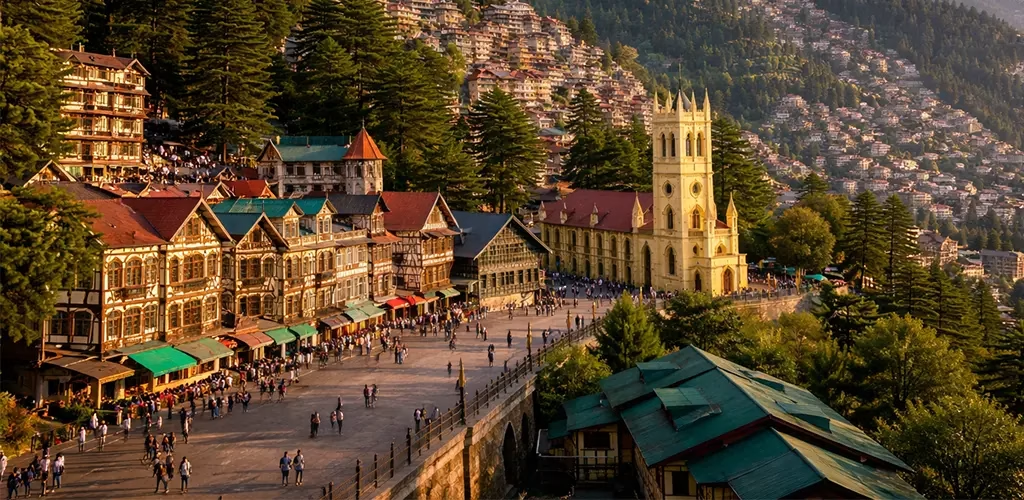
April represents a period of transition in Shimla, where the town has not yet returned to its busiest self. The climate begins to warm, yet the mountains retain their composure, creating a setting that feels temporarily unclaimed.
The ridge offers clearer views, and quieter locations such as Chadwick Falls and the Glen provide an experience that is largely uninterrupted. The forests, lightly touched by blooming rhododendrons, add colour without overwhelming the landscape. In this moment, Shimla exists not as a crowded retreat, but as a measured pause before the season fully unfolds.
May: Kashmir - Beyond the Familiar Image
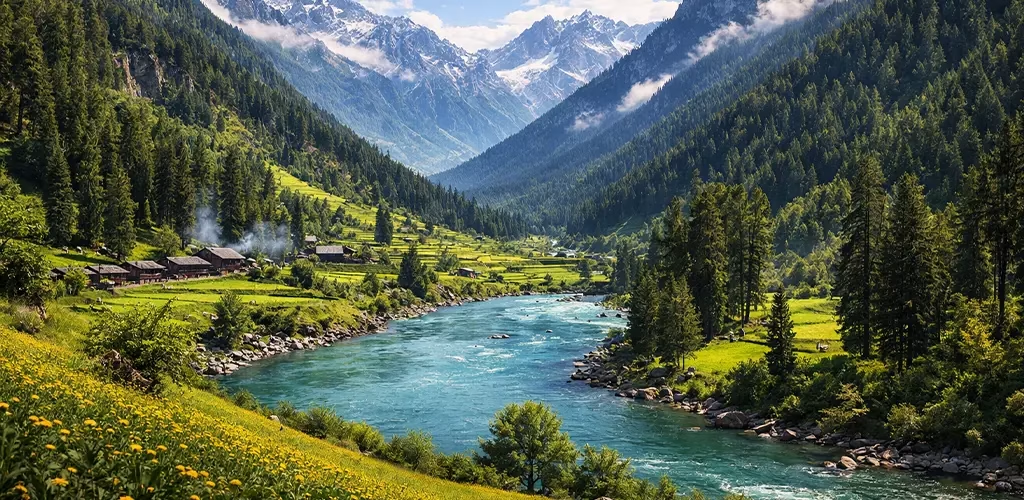
Kashmir in May often appears exactly as it is imagined, with gardens in bloom and lakes reflecting a composed and almost symmetrical beauty. Yet, the more nuanced experience lies beyond these familiar settings.
Travelling further into regions such as Gurez reveals landscapes that feel less observed, where natural processes unfold without interruption. Cherry blossoms fall without spectacle, and fields extend without boundary. There is a sense of openness here that allows for a quieter, more personal engagement with the surroundings.
June: Munnar - When the Landscape Turns Inward
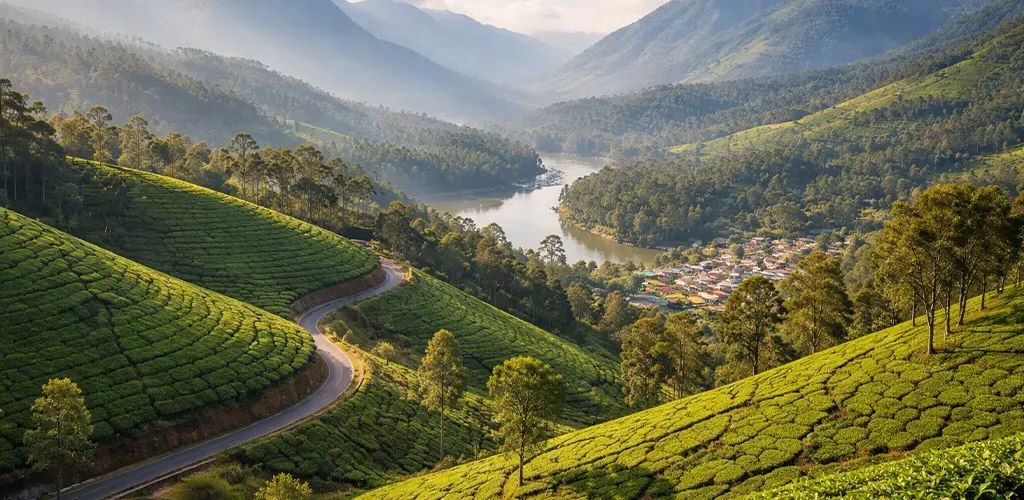
The arrival of June transforms Munnar into a landscape defined by movement and concealment. Rain introduces a layer of unpredictability, with mist frequently obscuring and revealing the hills in shifting intervals.
Waterfalls gain intensity, and the tea estates deepen into richer shades of green, creating an environment that feels immersive rather than observational. Movement slows naturally, and the experience becomes less about visibility and more about presence. In this state, Munnar encourages a different way of engaging with the landscape.
July: Coorg - A Season of Stillness and Depth
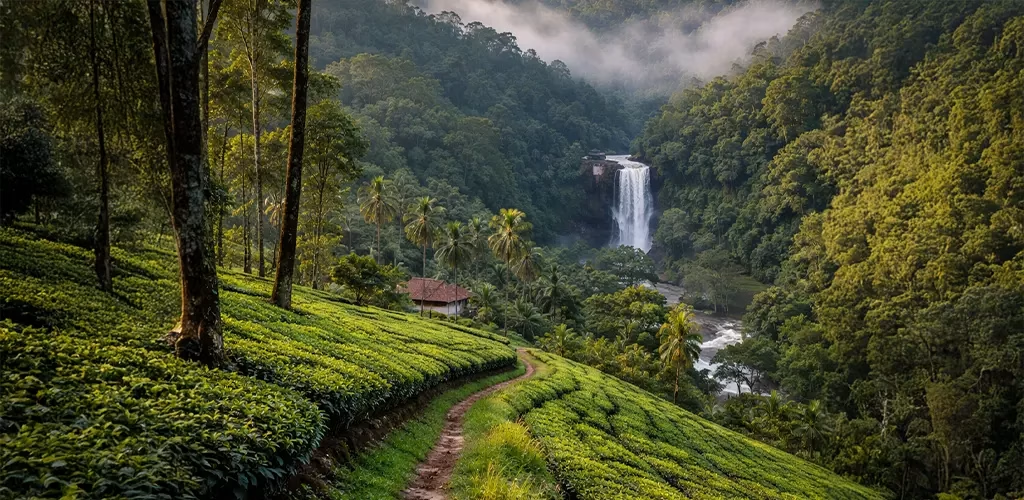
In July, Coorg is shaped almost entirely by the monsoon. Rain falls with consistency, the terrain deepens in colour, and rivers carry a quiet but evident force.
The experience becomes more inward, often centred around the comfort of homestays that contrast with the intensity outside. Coffee estates feel more pronounced in this weather, and time appears to stretch, allowing for a slower and more deliberate engagement with the surroundings.
August: Kerala - When Nature Feels Immediate
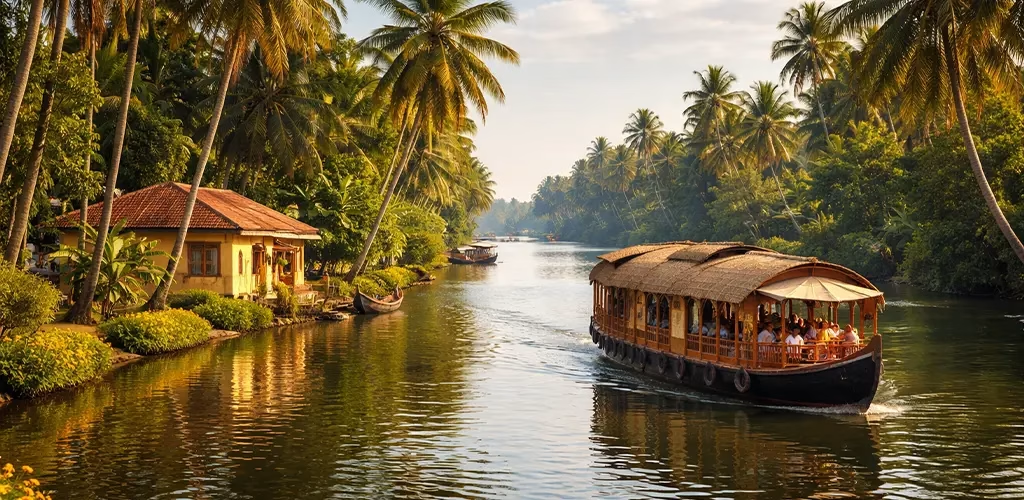
August in Kerala is defined by proximity to nature. The monsoon reaches its peak, and the state transforms into an environment that feels both expansive and intimate.
Backwaters extend into long, uninterrupted stretches, often devoid of large crowds, while waterfalls return with renewed strength. Traditional practices such as Ayurvedic treatments align with the season, reinforcing a sense of connection between environment and experience. Kerala, in this period, feels less like a destination and more like a complete sensory setting.
September: Andaman - A Moment of Transition

September places the Andaman Islands in a state of gradual transition. As the monsoon begins to withdraw, the landscapes appear fuller, and the atmosphere shifts towards clarity.
With fewer visitors, the beaches regain a sense of stillness, creating an experience that feels both open and temporarily exclusive. It is a moment defined by balance, where the influence of the rains lingers without overwhelming the environment.
October: Meghalaya - After the Rains Have Passed
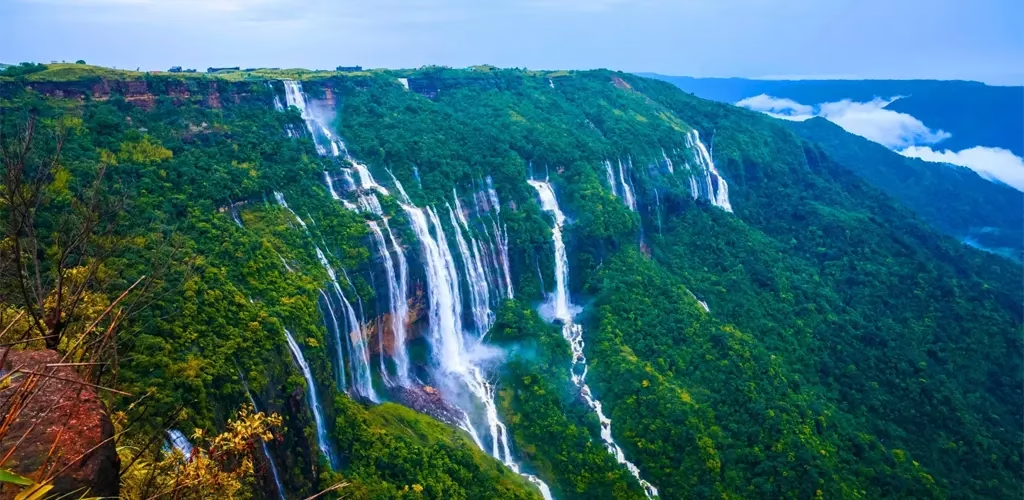
October in Meghalaya reflects the aftereffects of the monsoon with a sense of stability and calm. Forests remain lush, streams continue to flow with strength, and the air carries a distinct freshness.
The living root bridges become more accessible, yet they retain their quiet significance. Villages across the region feel settled and closely connected to their surroundings, offering an experience that is both grounded and unhurried.
November: Varanasi - In Anticipation of Light
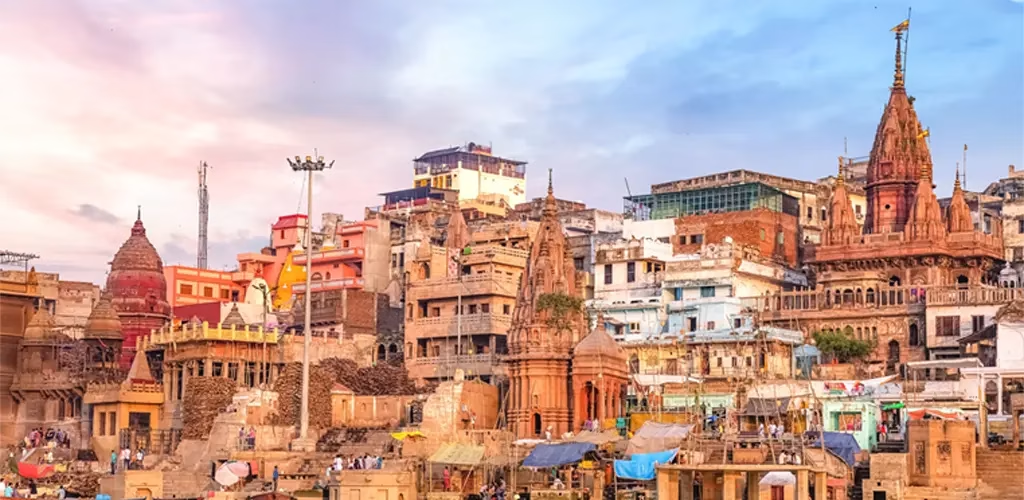
November introduces a quieter phase in Varanasi. The weather becomes more accommodating, and the ghats allow for a more measured exploration of the city.
Beneath this calm lies a gradual preparation for Dev Deepawali. Arriving before the festival reveals a different dimension, where the Ganga aarti feels more personal and the city appears to be in a state of restrained anticipation, holding back before its moment of illumination.
December: Manali - A Slower Kind of Winter
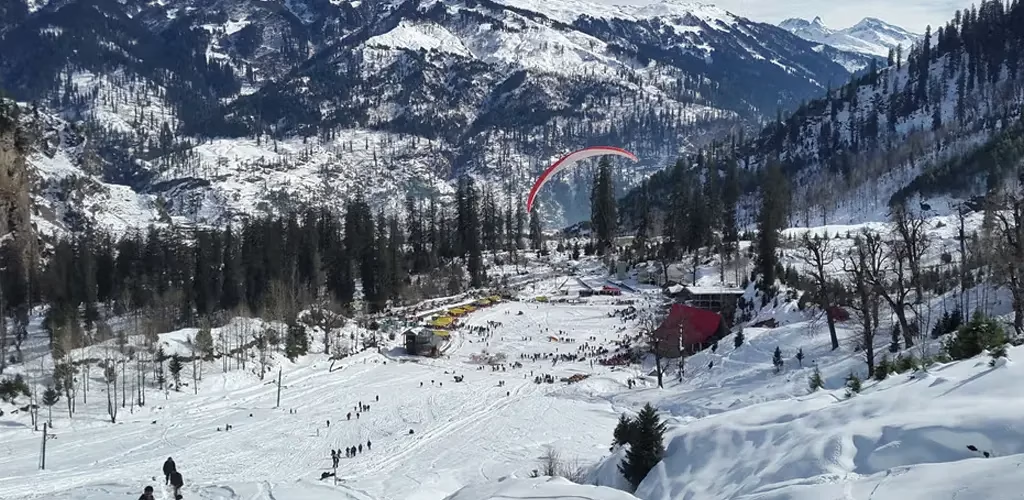
December in Manali presents a familiar winter landscape, yet its more nuanced experience lies beyond the central areas. While the main town draws attention, surrounding villages such as Jana and Goshal remain still under fresh snowfall.
The forests hold their silence, and daily life adapts to the cold in a way that feels deliberate. Time slows, interactions deepen, and the environment encourages a more reflective engagement with the season.
The Truth About Exploring India
To explore India is not simply to follow a map, but to understand when to arrive.
It is in the moments just before a place reaches its peak, or just after it recedes, that its most authentic version emerges. These intervals are rarely documented, yet they define the experience most profoundly.
Because the truest version of a place is not always the one that is seen by everyone, but the one that exists quietly, waiting to be noticed.