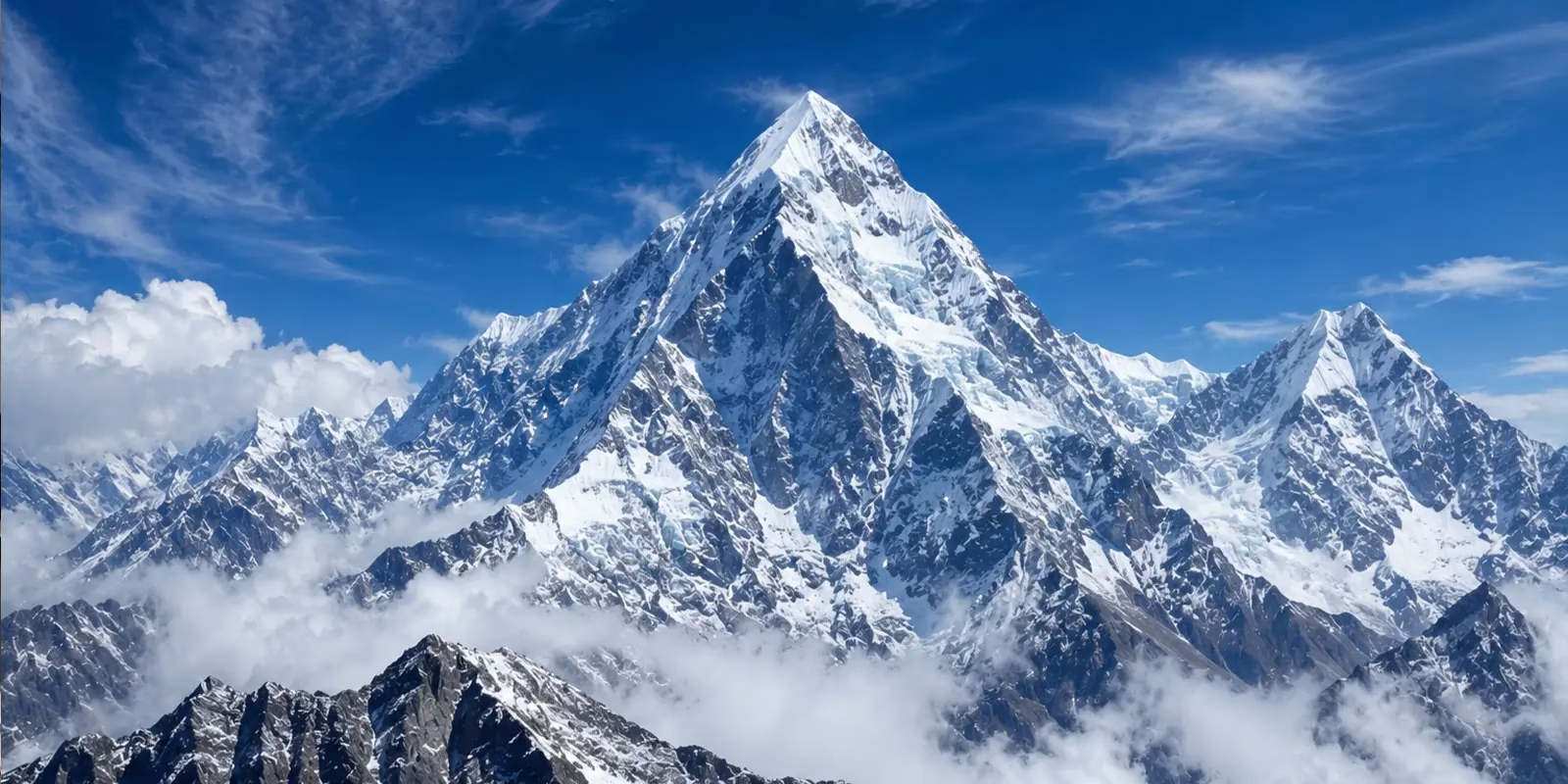
Before Ropes and Rubber Boots: The First Indian Mountain Climbers
Imagine standing at the base of a giant, frozen mountain thousands of years ago.
No windproof jacket. No spiked boots. No ropes to catch you if you slip. Just snow, steep paths and a constant fear that one wrong step means falling into a deep, hidden crevasse.
Would you still take that first step up?
Most of us would probably turn back and head home. But centuries ago in ancient India, many walked straight into those icy mountains every single year without hesitation.
They weren’t doing it for adrenaline, social media photos, or sports trophies but for something else.
So why were they up there, and how did they manage to survive without a single piece of modern gear?
What Really Happened on Those Frozen Trails?
Long before climbing was an adventurous sport, the Himalayas were already full of travellers. But these travellers were not professional athletes. They were pilgrims, monks, and local traders.
Pilgrims travelled to sacred high-altitude shrines like Badrinath and Kedarnath. Local traders crossed high mountain passes to exchange goods such as salt and wool. Monks went even higher, looking for quiet caves where they could spend time in meditation.
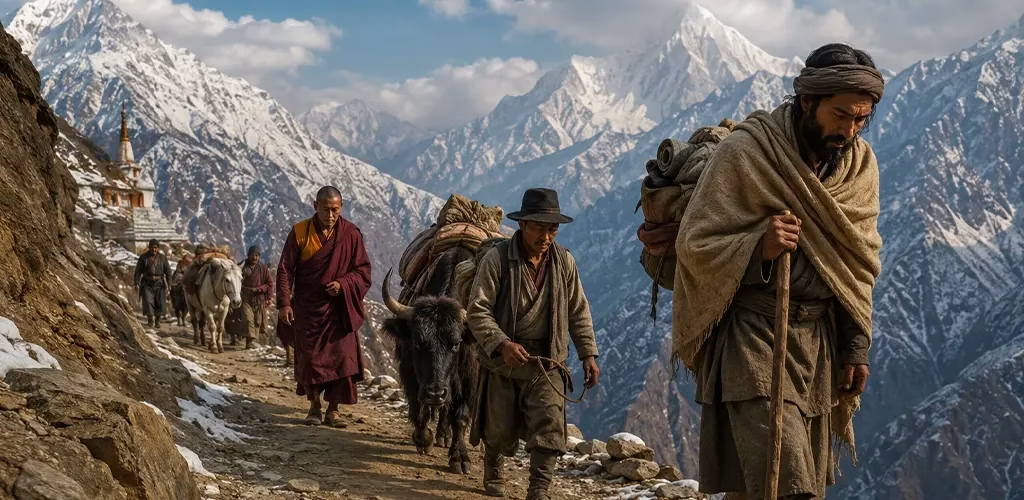
People walked through heavy snow in simple leather wraps or grass sandals, carrying little more than a wooden stick. There were no marked paths, rescue teams or warm shelters waiting for them along the way.
Yet they kept returning to these mountains year after year.
So what did they know about surviving in the harsh terrain that we might have forgotten?
How Wool and Grass Became Mountain Gear!
Without warm jackets or rubber boots, these early travellers had to make their own protection from whatever they could find around them.
Instead of thick winter jackets, they used sheep’s wool. The wool was often left in its natural state, with its oils still intact. These oils helped keep out moisture and cold. They wrapped the wool around their bodies in layers to stay warm.
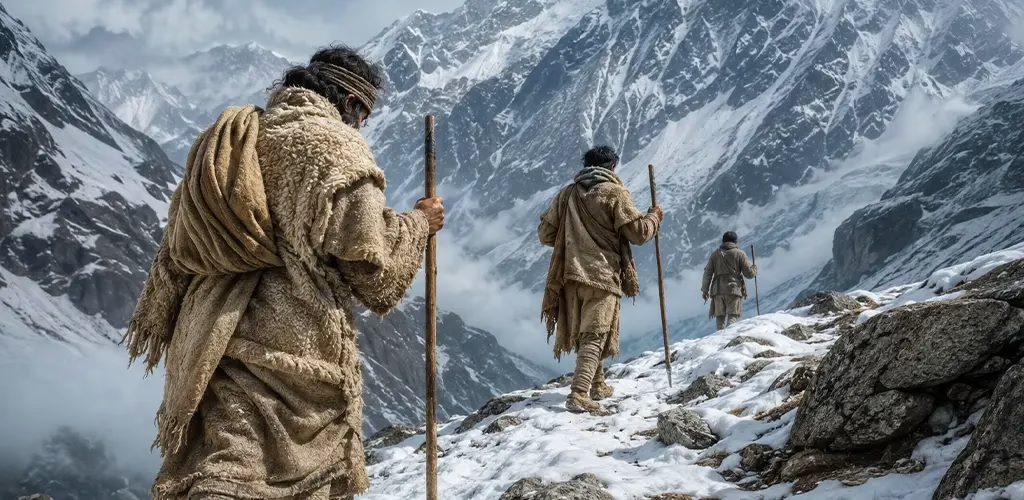
Their footwear was just as clever. They made simple shoes from mountain grass and stuffed loose wool inside to keep their feet warm. The grass soles also gave them a good grip on slippery rocks and snow.
And then there was the long wooden staff, usually with a sharp metal tip at the bottom. It was more than something to lean on. On steep slopes, it helped with balance, allowed them to test the snow ahead and made it easier to cross narrow paths.
Their clothing and simple tools helped them stay warm, but what about the cold air itself?
The Mountain Survival Tricks They Carried With Them
The biggest secret of these ancient travellers was not something they carried. It was something they had with them all along: their own bodies.
As you climb higher into the mountains, the air becomes thinner, and breathing gets harder. Modern climbers can carry oxygen tanks, but ancient travellers had other ways of dealing with the cold and thin air.
Some monks practised special breathing techniques to help control their breathing and keep their bodies warm. Some even used these practices while sitting in cold stone caves with very little clothing.
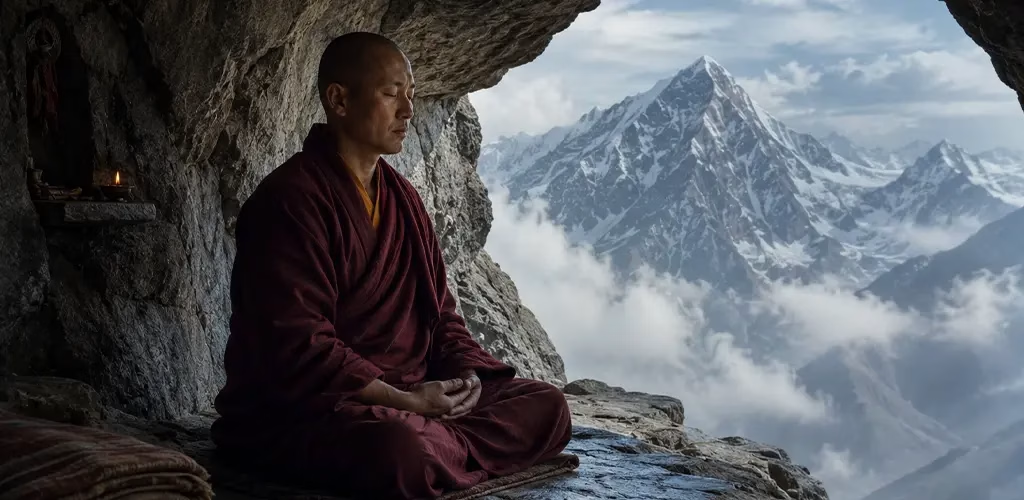
They also used simple, natural remedies to protect themselves. Instead of modern sunscreens or windburn creams, they rubbed thick layers of clarified butter (ghee) or fresh animal fat over their faces, lips, and hands to lock in moisture and protect themselves from frostbite.
They carried simple mixtures of roasted barley flour (sattu) and dried fruits. These foods were light, filling, and easy to eat without needing a fire to cook.
They did not fight the mountain or try to conquer it. They learned how to live with it.
The Question Modern Mountain Climbing Leaves Behind
As we reflect on National Mountain Climbing Day, it’s amazing to see how much technology has changed. Today, high-tech gear, satellite communication, and detailed maps give climbers more safety and comfort in the wild.
Yet, when we think about how ancient travellers crossed those same frozen trails with no safety gear, it raises an interesting question: does all this protection make us safer, or have we become less prepared without it?