Lalbaugcha Raja: The Promise That Built Mumbai's Favourite Ganesh Murti
Nine decades ago, a fish market in Lalbaug shut down overnight and took away the only income hundreds of families had. No warning, no backup plan, nothing.
What that community did next turned into the reason lakhs of people now travel across the country every year for Ganesh Chaturthi, standing for hours just to spend ten seconds in front of one idol.
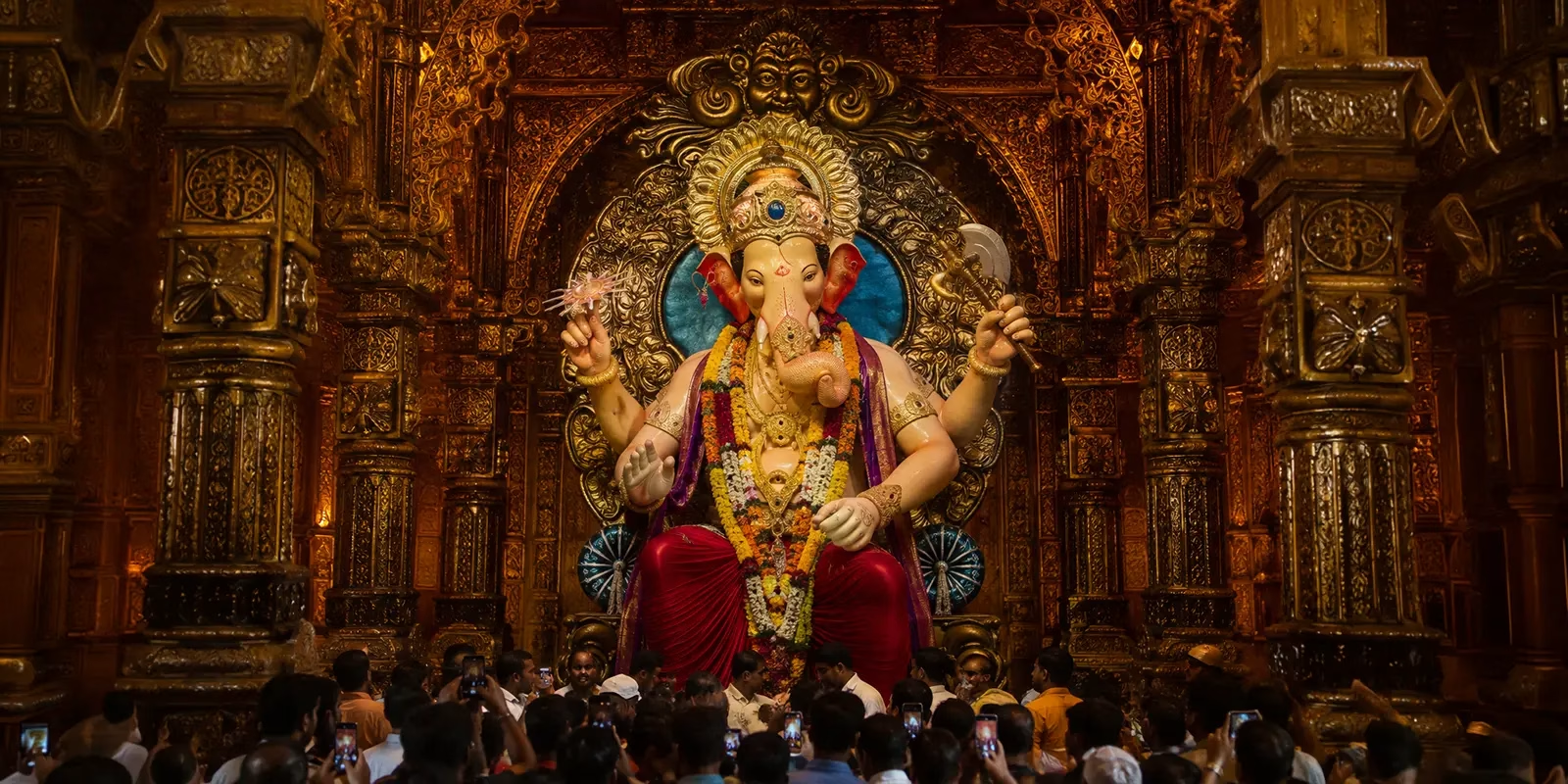
That idol is what we all call Lalbaugcha Raja.
This is not a story about a festival getting bigger over time. It is a story about a promise made in 1934, kept without a single break since, and an idol built by people who lost everything.
A Market Lost, A Prayer Made
In 1934, the Lalbaug-Parel belt of Bombay was a mill country. Smoke, noise, and people who worked with their hands for a living.
Right in the middle of it stood Peru Chawl, a fish market the local fisherfolk had built their entire lives around. But one day it was torn down for redevelopment, and the only income hundreds of families had went with it.
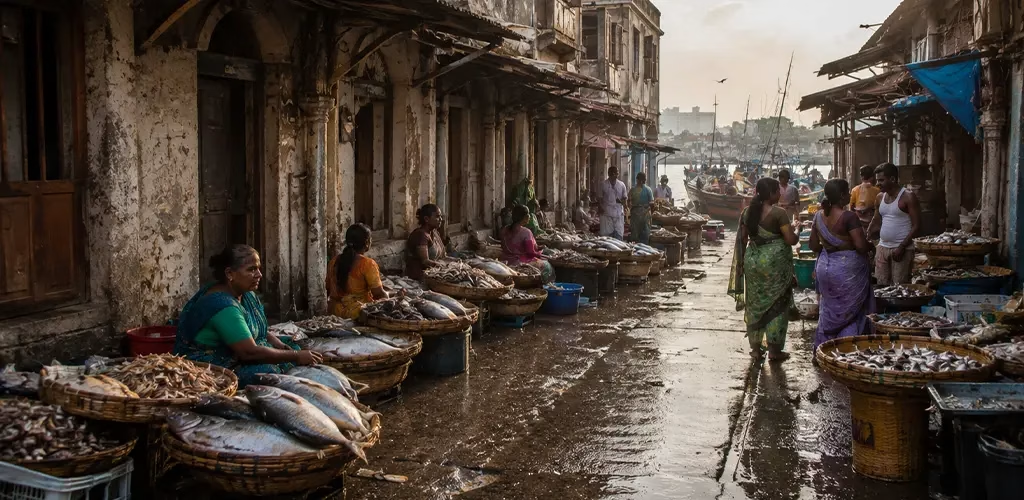
There was no compensation waiting for them, no plan B to fall back on. Just a community standing amid the remains of the market that had once been their livelihood, unsure of what the future would look like.
So they made a promise to Ganpati Bappa. If they could rebuild what they had lost, they will make sure he had a place there every year.
And they kept that promise.
The Idol That Came From a Debt
Things slowly started falling back into place. The market came back, people returned to their work, and life began to feel normal again, and the community kept their word by installing the first Lalbaugcha Raja idol.
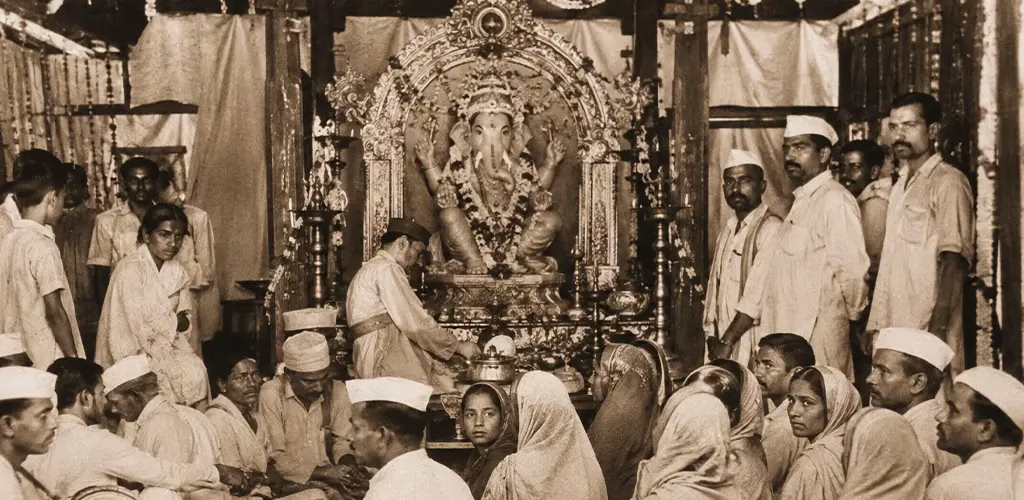
That first idol was nothing like the one you see today. No towering height, no gold ornaments, no television crews. Just a community paying off a debt to the one presence they credited with saving them.
He wasn’t built to impress anyone. He was brought there by people who had nothing, as payment for getting it all back.
Why Everyone Still Calls Him "Navsacha Ganpati"
That one vow, made by a handful of families, has turned into something you can only understand by standing in that line yourself.
During Ganesh Chaturthi, people make their way to Lalbaug from all every direction and wait for hours, sometimes through the night, for a few quiet seconds in front of him. They come with things they cannot always put into words: hopes for a new beginning, worries about their families, dreams they are still waiting to see come true. And for those few seconds, they leave it all with him.
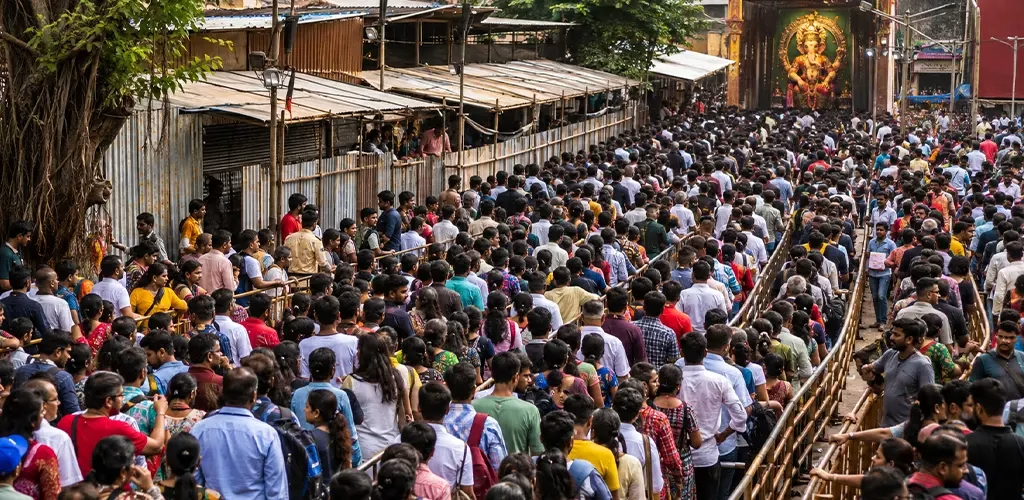
This is why he’s called Navsacha Ganpati across the country, the Ganpati who fulfils wishes. His own origin is a wish that came true, so people keep showing up with theirs.
The fisherfolk who once stood with an empty market live on in every modak offered at his feet, every dhol that plays through Lalbaug’s narrow lanes, every person who exhales after their turn for darshan finally arrives.
A Promise Still Being Kept
Lalbaugcha Raja was never just an idol. In 1934, he was brought there by fisherfolk and mill workers who had little left but their faith and a promise to rebuild what they had lost.
Ninety years later, the same idol draws celebrities, politicians and VIPs, with special access and shorter waits, while the ordinary devotees who have carried this tradition for generations can spend hours in the same crowd, sometimes being pushed aside just to catch a glimpse.
There is something bittersweet about that. The people who first brought Bappa to Lalbaug did it for their community. Today, Lalbaugcha Raja belongs to everyone, but somewhere in the crowd, it is worth remembering whose faith brought him there in the first place.