Ozone Layer and Indian Monsoon: The Hidden Connection
There’s a good chance you put on sunscreen this morning without giving much thought to the number on the bottle.
SPF 30. SPF 50. Rub it in and get on with your day.
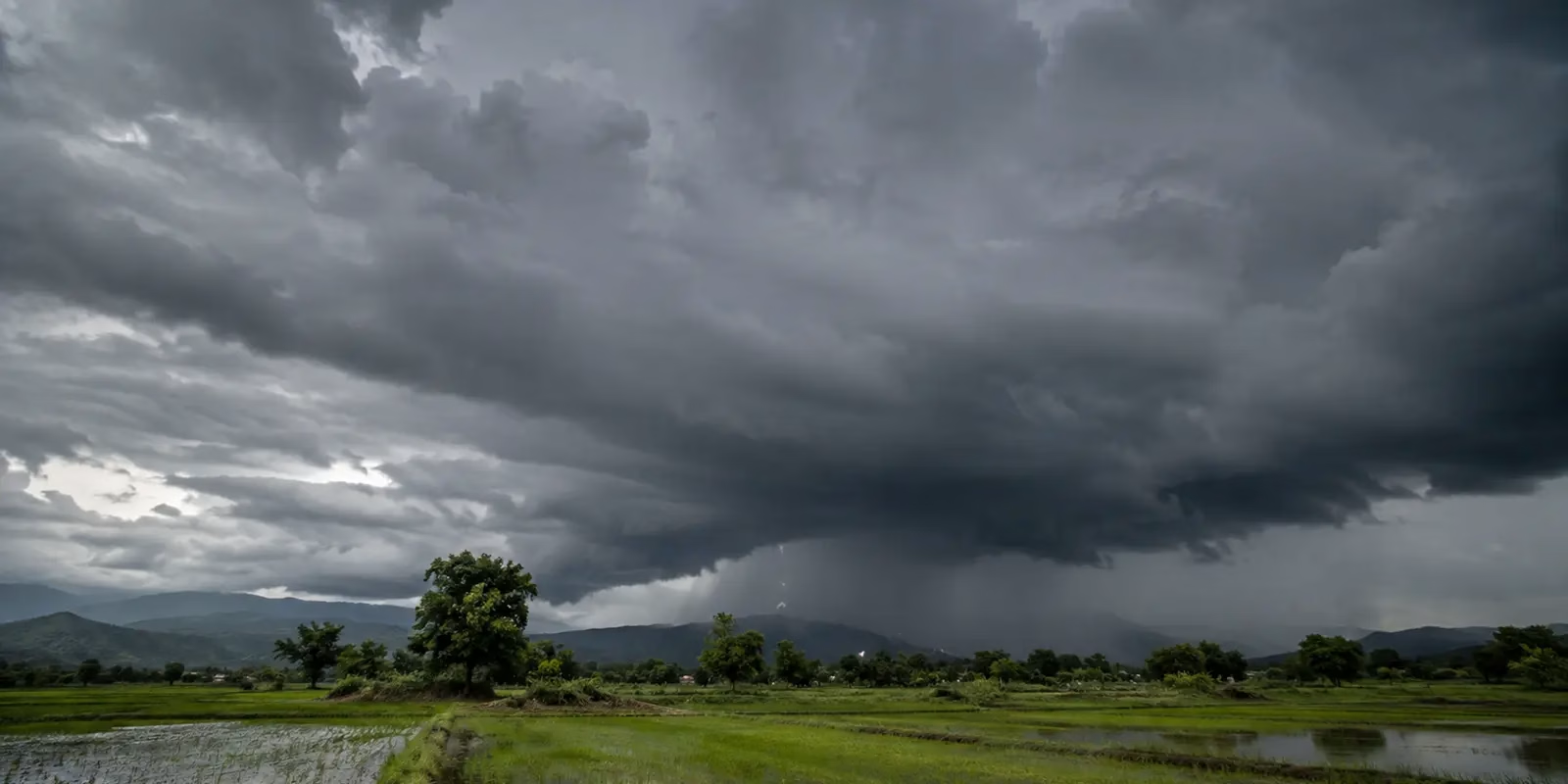
We use sunscreen because of the Sun’s harmful UV rays, and the ozone layer plays a big role in protecting us from them. But this thin layer of gas does more than shield us from UV radiation. It also plays a significant role in shaping the Indian monsoon, influencing when the rains arrive, how strong they become, and where they fall.
A Hole That Changed the Wind, Not Just the Sky
Ozone is best known for blocking the Sun’s harmful UV rays, which is why we hear about it whenever we talk about sun protection.
But there is another side to the story. The same gas also acts like a quiet thermostat. When large parts of the ozone layer disappeared over Antarctica each spring, the air below became much colder. Cooler air over one part of the planet does not stay local. It nudges pressure systems, and pressure systems drag wind belts along with them.
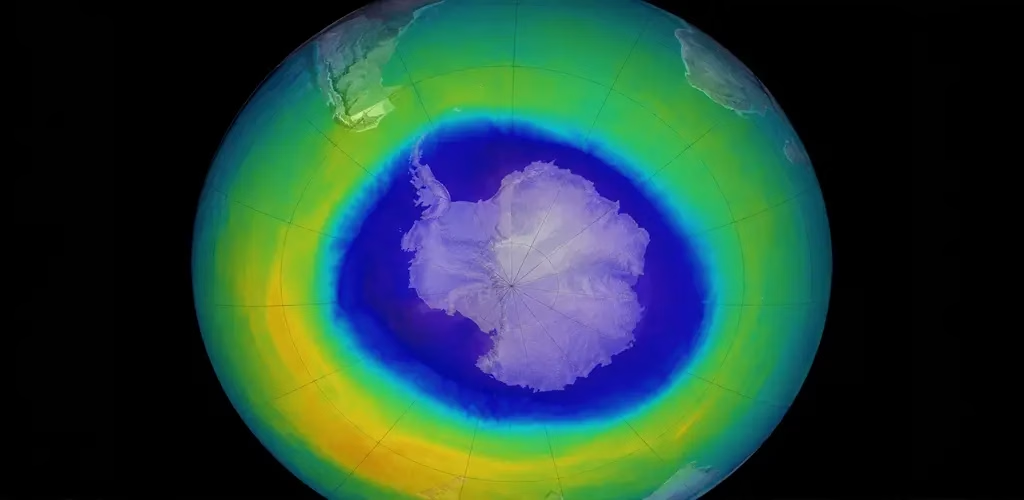
Through the late twentieth century, this cooling pushed the jet stream circling the Southern Hemisphere towards the pole, and pulled the edge of a giant atmospheric loop called the Hadley cell outward with it. Rain bands, dry belts and storm tracks across the Southern Hemisphere all shifted a little further south than they normally sit. And this matters to India for larger reasons.
Where India Enters the Picture
Weather patterns above the Indian Ocean don’t stay boxed in by hemispheres. Researchers studying the Southern Annular Mode, a pattern of winds and air pressure around Antarctica, have found that it can leave a mark on the Indian monsoon months later.
When this pattern is stronger or weaker between February and May, it can influence how much rain India gets once the monsoon arrives in June.
The mechanism runs through the ocean as much as the sky. Shifts in southern winds change sea surface temperatures south of the equator, and those warmer or cooler patches steer the cross-equatorial flow of moist air that feeds the monsoon. By the time June comes around, a signal that started near Antarctica has travelled up through the ocean and into the clouds over the Arabian Sea.
So What Happens as Ozone Heals
Here is where it gets interesting. Since around the turn of the century, ozone-depleting chemicals banned under the Montreal Protocol have slowly been leaving the atmosphere. As a result, that decades-long movement towards the South Pole has paused and, in some records, even started to reverse.
A 2025 study led by MIT researchers found strong evidence that the Antarctic ozone layer is recovering because of the global clean-up, not simply because of natural changes.
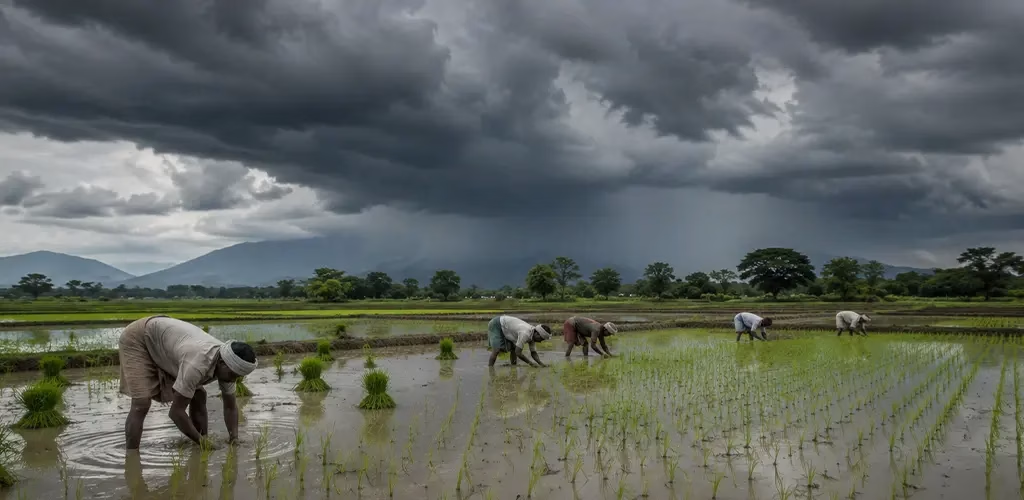
If the ozone hole helped push those southern wind patterns away from where they normally sit, then its recovery should slowly allow them to move back. And since those same winds have been shown to influence Indian rainfall, the healing of the ozone layer far above Antarctica could, over the coming decades, gently change one small part of what shapes the monsoon.
Nobody is saying ozone recovery will decide whether a particular year gets more or less rain. The monsoon depends on many things, from Pacific Ocean temperatures and soil moisture to Himalayan snow cover. Ozone is just one small, slow-moving piece of that much bigger picture.
From the Ozone Hole to Indian Rain
What makes this link worth noticing is not how big its effect is, but how far it reaches. Nothing in the atmosphere works completely on its own. A chemical phased out of refrigerators and spray cans decades ago can still, in its own roundabout way, affect wind patterns that eventually reach a farmer’s field in Punjab or Kerala.
The ozone layer may be far above us, but its story does not stay in the sky. It can travel through winds, seasons and weather patterns, eventually reaching places we would never think to connect with it.