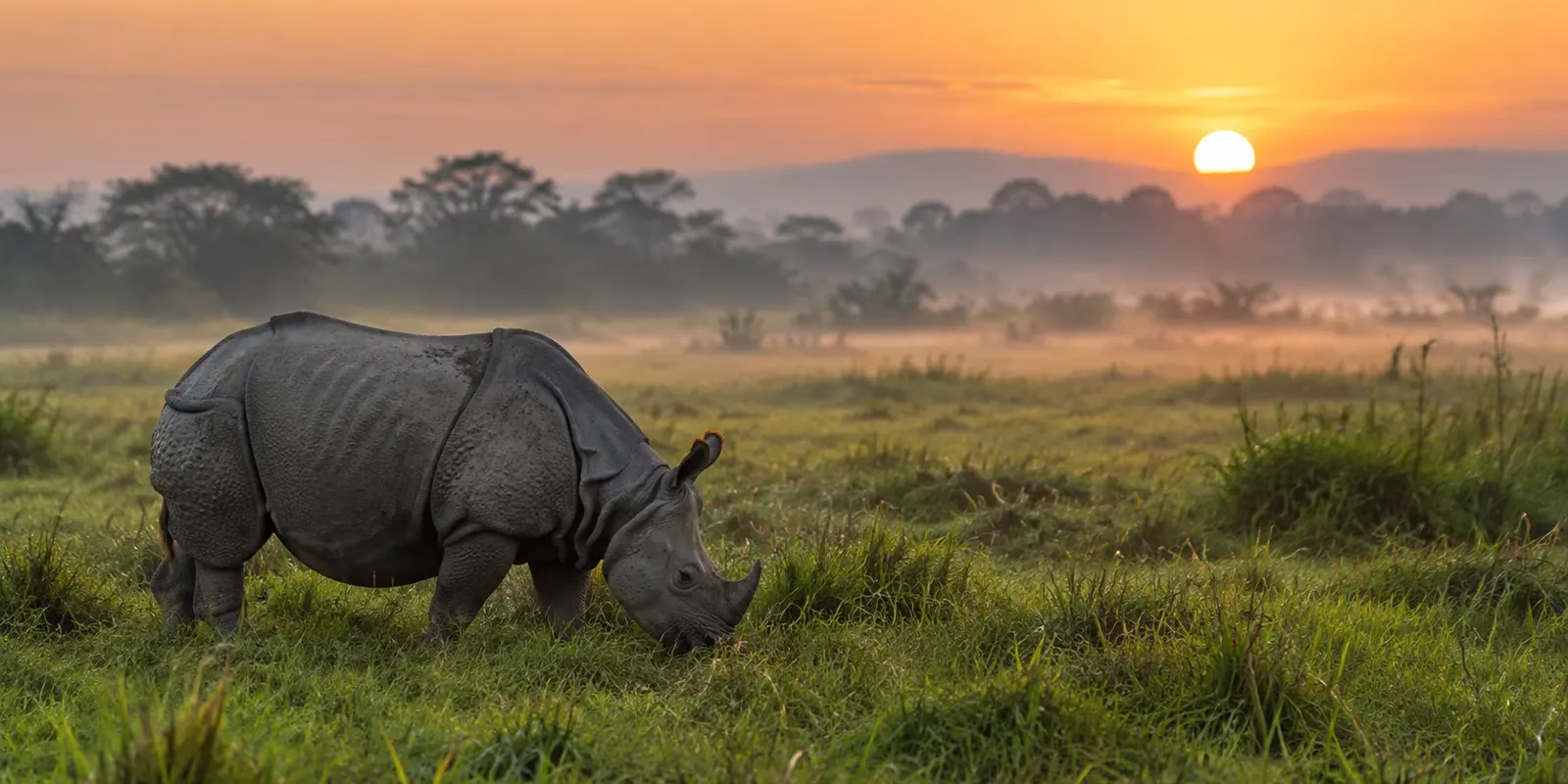
Kaziranga And The Rhino That Wasn't Supposed to Survive
Imagine getting killed for carrying something on your face that someone decided was worth more than your life.
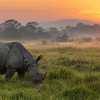
That is what happened to the greater one-horned rhino. With fewer than 200 left in the wild by the early 20th century, they were hunted for a horn worth more than its own weight in gold.
But this is not the end of story; it is actually where it all begins.
Here’s how Kaziranga helped bring the greater one-horned rhino back from the edge of extinction.
A Viceroy's Wife And A Visit That Changed Everything
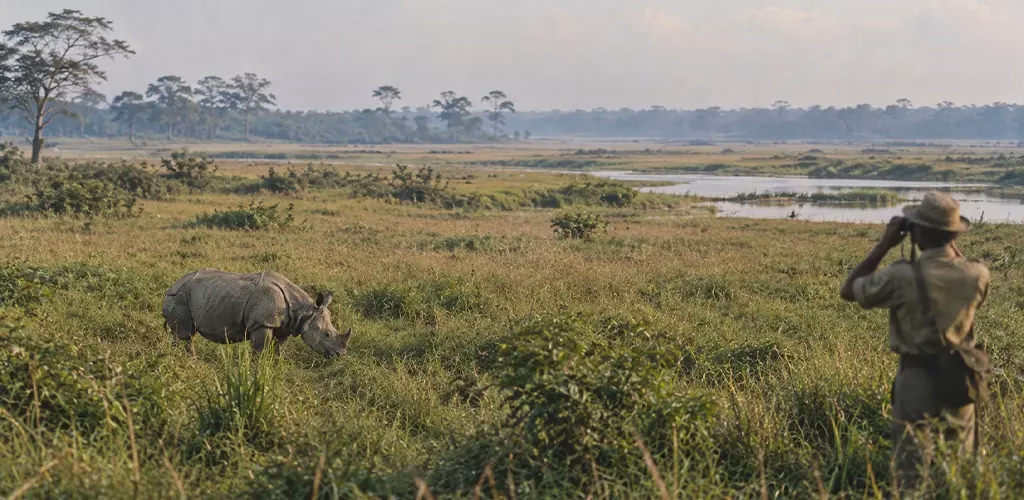
The story of Kaziranga’s protection is often traced back to a visit that almost didn’t lead anywhere. Mary Curzon, wife of the then Viceroy, came to Assam hoping to see a rhino but left without spotting a single one, and that disappointment is said to have pushed her to urge her husband toward protecting the species.
That visit led to a forest reserve, carved out in 1905, decades before anyone used the word “conservation” the way we do now.
A reserve on paper, though, didn’t mean the rhinos were safe overnight. It took nearly seventy more years, and a lot of damage in between, before Kaziranga was formally declared a national park in 1974.
During those years, poaching had already caused heavy losses to the species. Between 1965 and 1970 alone, 55 rhinos were killed inside the park, when only around 600 rhinos were left.
Boots on Flooded Ground
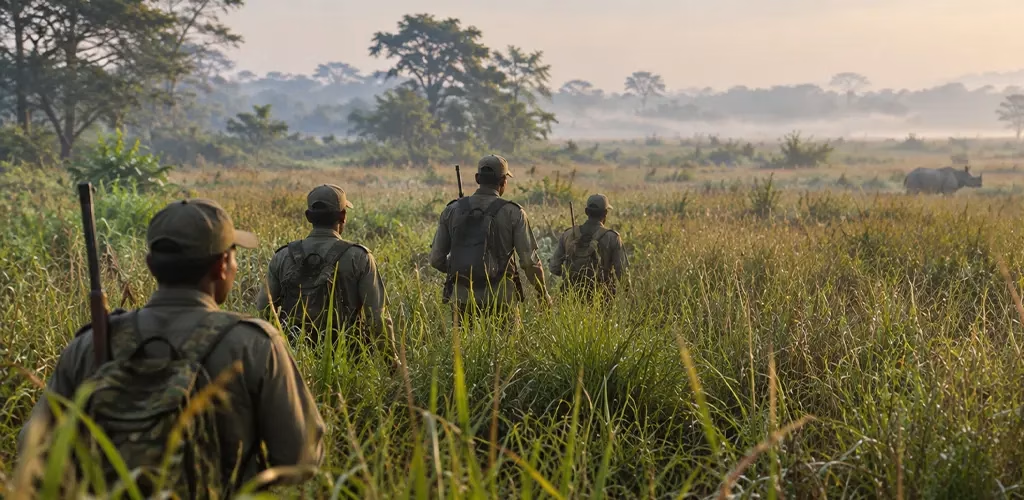
The legal protection was only the beginning. What really changed the fight against poaching was the people who kept showing up, year after year.
More than a hundred camps were spread across the park, with rangers walking through territory that floods every monsoon. Their equipment was often nowhere near as powerful as the weapons carried by organised poaching networks. Still, they kept going because the only other option was watching the population of rhinos disappear.
The maths of that fight was always brutal. Even after everything, the poachers still managed to hunt dozens of rhinos.
But every rhino saved on a patrol meant one more rhino the species could afford to keep.
And by 2008, they managed to get the result big enough to make headlines around the world: the greater one-horned rhino was moved from Endangered to Vulnerable, making it the only large mammal in Asia to receive that change in status at the time.
One Park Was Never Going to Be Enough
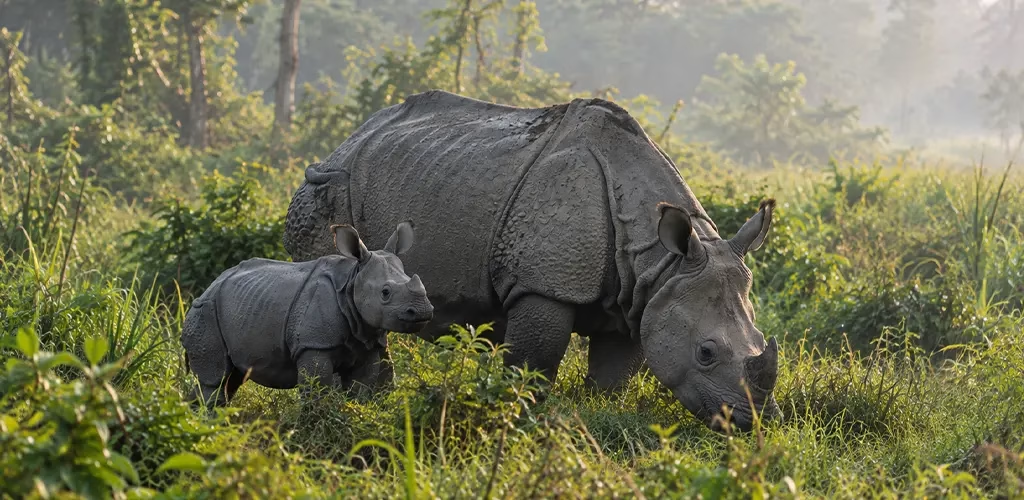
Numbers climbing inside Kaziranga solved one problem, but growth on its own soon created another.
One major flood, a disease outbreak or a sudden rise in poaching could wipe out years of progress.
So the answer was not simply to save more rhinos. It was to give them more places to live.
That idea became the Indian Rhino Vision 2020 programme, launched in 2005 by the Assam Forest Department along with WWF and other partners.
Starting in 2008, rhinos were moved out of Kaziranga and taken to Manas National Park, a place that had once been home to rhinos but had lost them to years of poaching and civil unrest.
Some of the rhinos travelled nearly 200 kilometres to get there. More than twenty rhinos made that journey, and the real test came after they arrived.
The real question was whether they would settle, survive and, eventually, have calves of their own.
Within a few years, they had.
Calves were soon born in Manas National Park proving that the rhinos were settling in and building a new population. By 2011, Manas had regained its UNESCO World Heritage status, showing just how much the park had recovered.
A Species, Not Just a Statistic
The original target of the Rhino Vision programme was to have 3,000 rhinos across Assam by 2020. It fell just short, reaching around 2,900. But the numbers were never really the whole story.
What the programme proved was that a species once thought to be heading towards extinction could be brought back. Not through one big achievement, but through years of steady work.
The horn that once made these animals a target is still there, and in some parts of the world, it is still happening.
What has changed is that an entire system now stands between that horn and extinction. It isn’t perfect, but so far, it is keeping the rhinos alive.