Aoleang Festival: The Konyak New Year Brought to Life
In the far northeast of India, April of the hills of Nagaland and dense forests near the Myanmar border bring forth a spirit of celebration that refuses to stay silent and is marked by the happy moments of drums, colour, memory, and community.
In the Mon district of Nagaland, April begins with the preparations for the Aoleang festival. What the world hardly knows about is actually the most important celebration for the Konyak tribe, native to the Nagaland state. Also called the Konyak Aoleang festival, this is the time when the Nagaland culture and tradition, deeply rooted in agriculture, spirituality, and identity, finds itself in their true essence, being commemorated and celebrated.
The festival of Aoleang begins in Nagaland right after seeds are sown in the jhum fields. It marks both the end of one cycle and the beginning of another. April is often seen as a bridge between effort and hope as the community invests their effort in extracting abundance from the last cycle and hopes for much more in the upcoming cycle.
The Preparation for the Festival Everyone Awaits
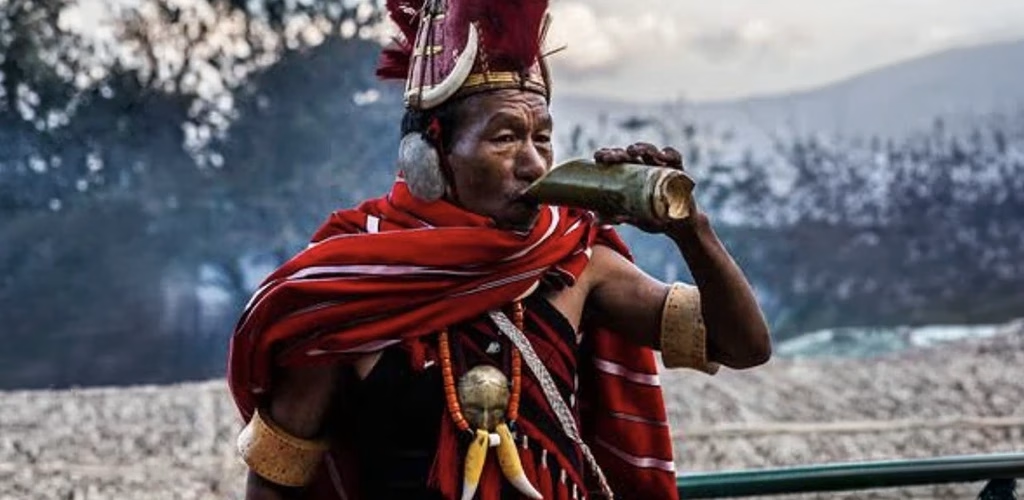
Even before its beginning, the Aoleang festival starts bringing the community together. Homes gather firewood, banana leaves, and food. They brew rice beer together and store it for the festivities. The tribe buys and handweaves new clothes, and each piece of clothing carries a special essence that connects them to the identity of generations. The head of each house visits the fields and performs rituals, offering a chicken and reading its entrails to understand what the coming year might hold.
This is the true soul of tribal culture in India, where nature, belief, and daily life are inseparable.
The Aoleang Festivities: A Blend of Nature and Belief
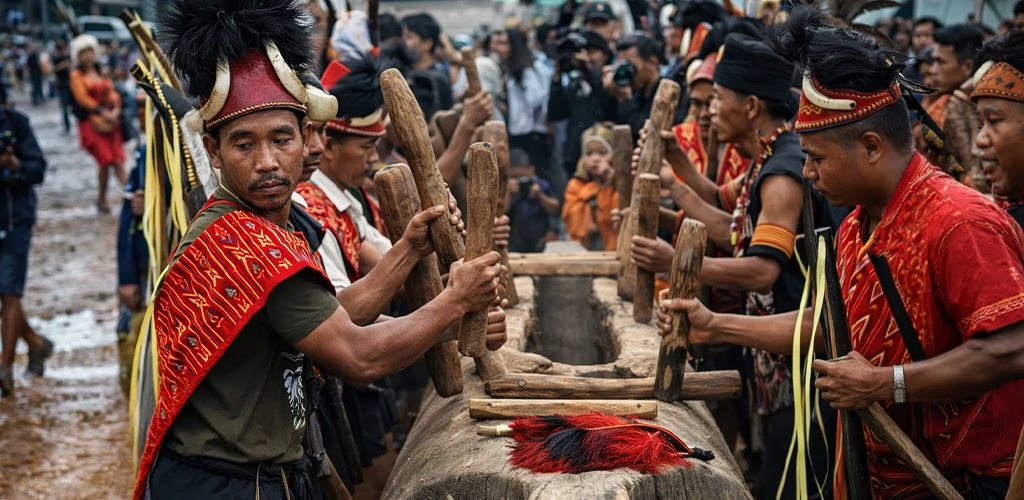
As the days progress and the festival enters its full swing, a celebratory energy builds across the village and inspires the entire community to participate. The tribe starts gathering animals in order to sacrifice them as part of the rituals. Additionally, young boys start preparing for something larger than themselves – symbolic rites where they represent the undying tale of the Konyak past as warriors. The entire community gathers and attends at one cue – the sound of log drums that echo through the Naga hills that invite everyone together.
The community gathers in communal spaces – food is shared, rice beer flows, and every family contributes in some way, making the festival a collective experience rather than a staged compulsory event. This is what defines the cultural heritage of Nagaland. It is not preserved in isolation but lived through participation.
The Heart of The Aoleang Festival
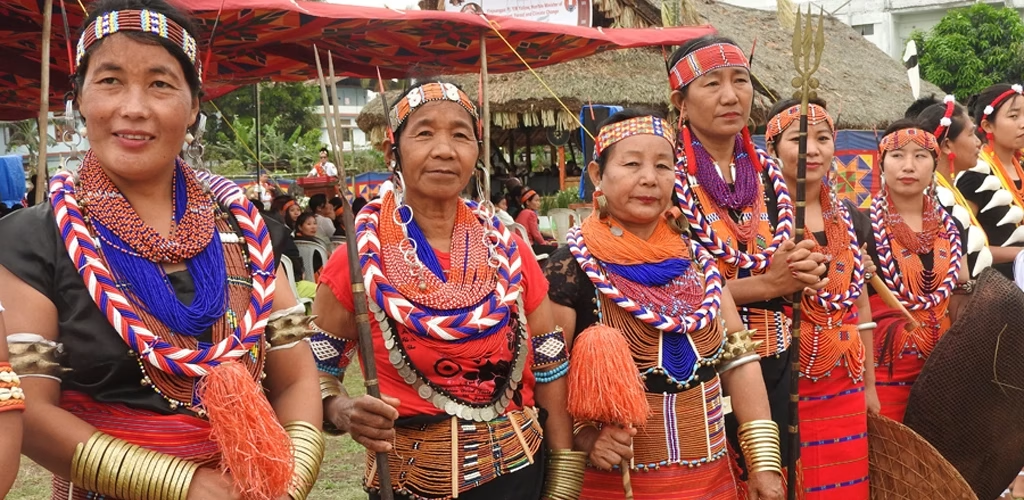
The fourth day is the heart of the celebration.
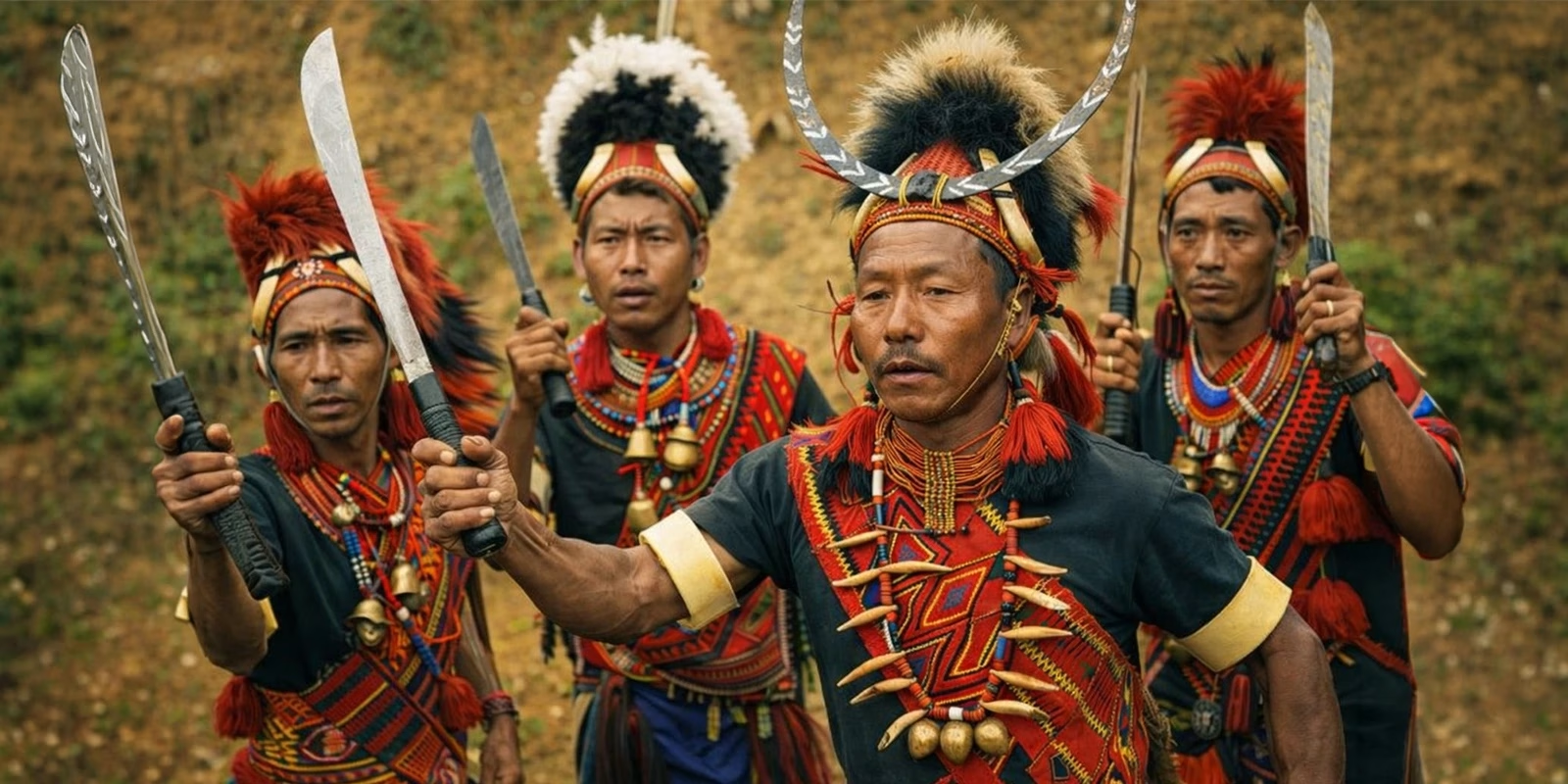
If April is a season of bloom, this is where it reaches its most vibrant form. Men wear elaborate headgear adorned with feathers, beads, and brass ornaments, and many elders still flaunt the traditional facial tattoos, which were once symbols of their warrior identity. The women of the tribes wear colourful shawls and jewellery, each pattern telling a story of lineage and belonging.
Dance groups move from one household to another, singing songs of victory, harvest, and hope. These dances recall a time when the Konyaks were known as headhunters, a practice that has long ended but continues to live on symbolically through performance. By evening, the entire village gathers in shared spaces, and they celebrate with music, movement, and a powerful sense of unity.
A Living Expression of Nagaland Culture
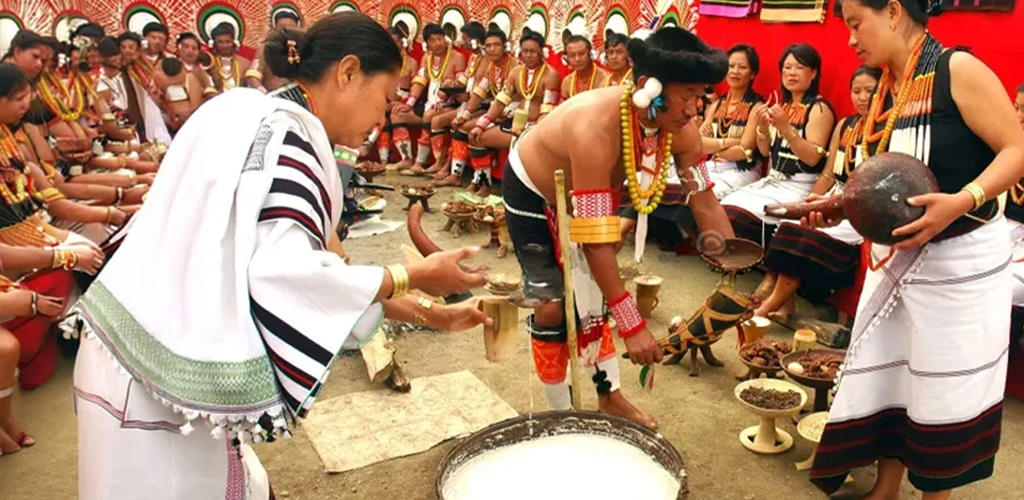
As the festival moves toward its final days, the pace softens. Families start visiting relatives and friends. They exchange meals and renew bonds that often last a lifetime. And, those who have passed away are remembered quietly, connecting the present to the past.
Finally, the new year begins and the village resets.
What makes the aoleang festival truly special is not just its rituals or visuals, but its timing and meaning. April, across India, is often a time of renewal. But in Mon district, it becomes deeply personal. The land has been sown; the future is uncertain, and the community turns to celebration to seek strength and blessings. While celebrations may extend to towns like Kohima, their true essence lies in the villages, where traditions are still lived every day.
The Konyak Aoleang festival is a powerful reminder of the richness of tribal culture in India. It reflects resilience, identity, and the enduring connection between people and their land. And every April, in the hills of Nagaland, this story begins again.