Sarhul Festival: Nature Resets, New Year Begins!
What is God?
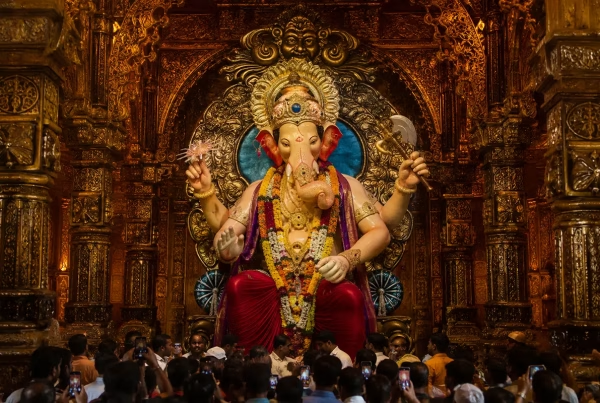
For some people, God is a belief they strongly hold in statues. For some, it lies in the faith that a power is way above this universe and is protecting them. For some, God is just a direction to the path of life. And, for some, God is about the books they consider sacred beyond all possibilities.
But what if some people refused to find their faith in something so imaginary and actually think that God is everything that coexists with them?
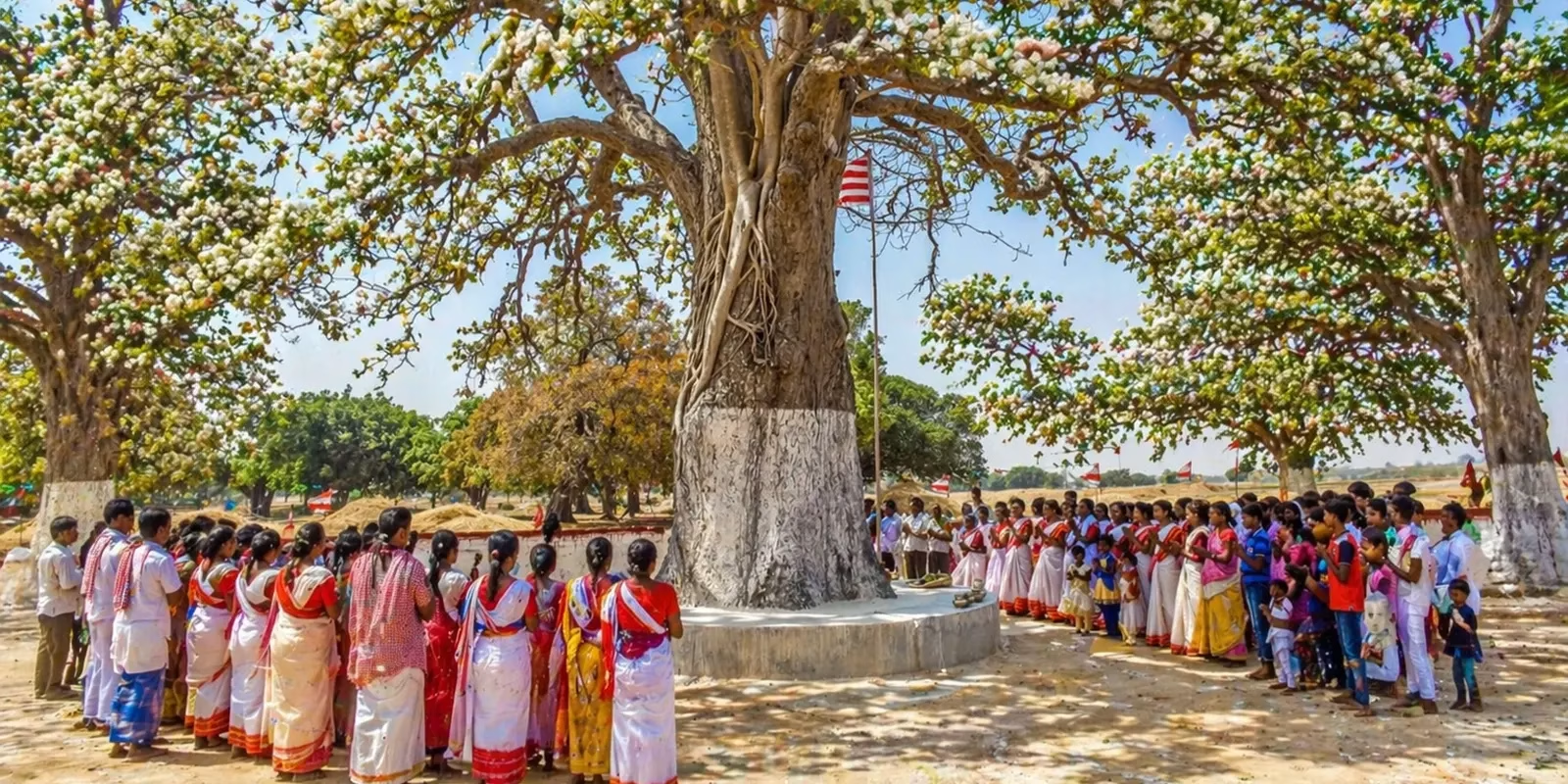
For tribal communities in Jharkhand, the latter is true. They do not celebrate God as an entity. For them, God is the life they live alongside a Sal tree, and every year, with the Sarhul festival, they demonstrate their unwavering belief in their faith. This festival stands out for celebrating the trees and the nature that the tribes are rooted in. Sarhul is not just a festival – it is a living expression of how indigenous communities see the world.
A Festival Rooted in Nature
Celebrated upon the arrival of spring and often known as the Festival of Flowers or the Tribal New Year, Sarhul begins the moment earth renews itself. When the trees start blooming, forests are lush, and communities can come together to honour this transformation through their rituals of expressing gratitude, Sarhal starts in its full glory.
The word Sarhul derives from Sar or Sarai, referring to the Sal tree, and hul means worship or flowers. The main focus of this festival is the Sal tree. For the tribal communities of Jharkhand, it is not just a plant but a sacred presence. For them, the tree is the village deity of the house, and they often call it Sarna Maa.
Tribal communities like the Oraon, Munda, Ho, and Santal consider the Sal tree as their God, and it represents protection, fertility, and continuity. Thus, the Sarhul festival becomes a celebration of the union between Earth and the Sun, a moment when nature prepares for a new agricultural cycle under the protection of the Sarna Maa.
The Sacred Sarna Where Ritual Begins
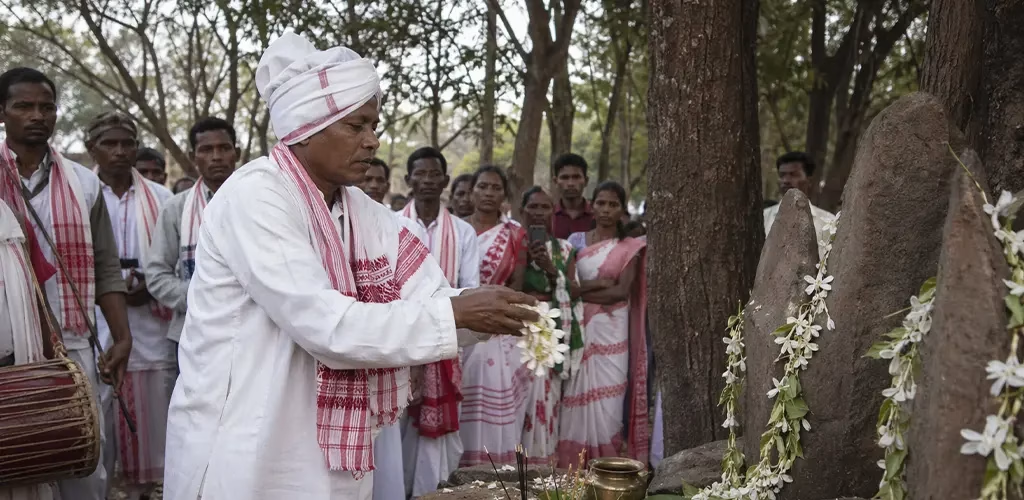
Sarhul rituals begin at the Sarna Sthal, a sacred grove of Sal trees. The village priest, known as the Pahan, leads the ceremonies here and on the eve of the festival, he fills the earthen pots with water. The next morning, he observes the water levels as a form of prophecy. If he notices a steady level, it simply means that good rainfall and prosperity are ahead. But, even if there is a minor drop, the tribes take it as a sign of difficult times ahead.
After this ritual begins, the practice of offerings begins. The devotees offer Sal flowers, fruits, vermilion, and rice beer known as Handia to the God. In some traditions, rituals even require animal sacrifice, and the prayers proceed alongside. These prayers are not complex mantras – they are rather simple but extremely profound. They talk about protection, good harvests, and harmony between humans and nature, which is everything the tribes prioritise.
Phool Khonsi: Blessings in Bloom
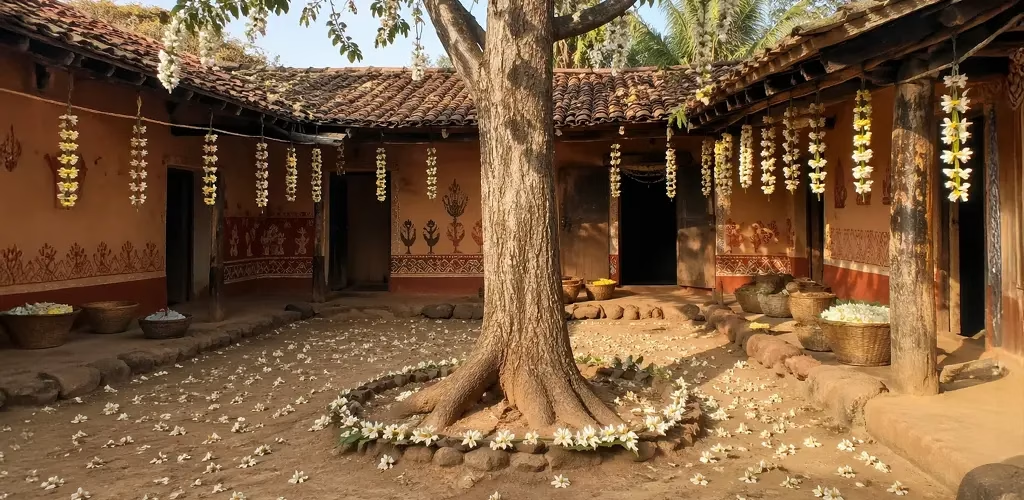
Once the rituals wind up, Sal flowers are distributed to every household. This is a tradition known as Phool Khonsi, and these flowers are not decorative – they are sacred blessings from the Sarna Mata. The devotees use these flowers to adorn their homes, display them on the rooftops, and carry them as symbols with an undying faith that these shall protect them and bring them prosperity. What might look like a very simple act is actually a faith that connects everyone to the larger cycle of nature. Only after the offerings are completed, the community comes together to dine. Food, like everything else during Sarhul, follows the same rhythm of ritual and respect – an expression of gratitude to the Earth and the nature that sustains them.
Music, Dance, and the Spirit of Celebration
After everything concludes, the Sarahul festival transforms into a celebration. Villages come alive with the rhythmic beats of Mandar, Dhol, and Nagara. Men and women gather in groups, holding Sal flowers, moving in coordinated steps with energy and grace.
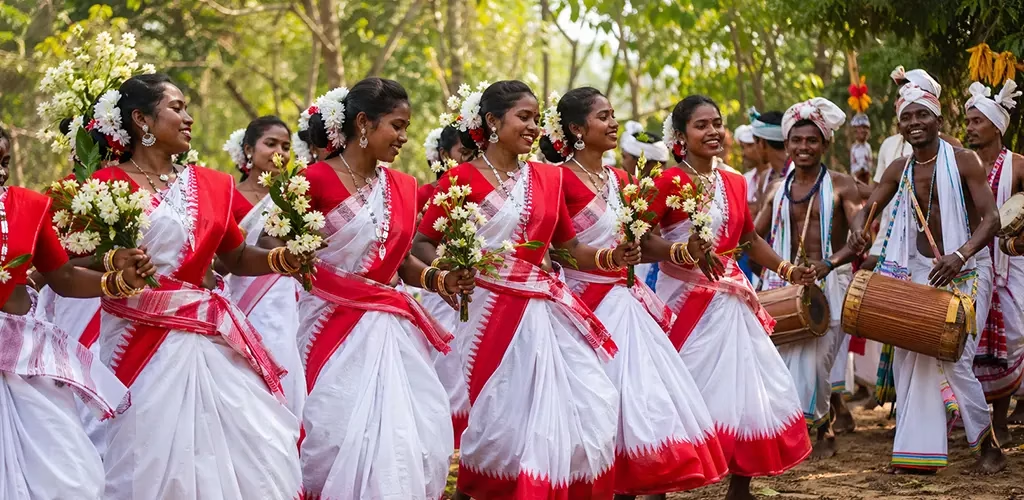
The dances are performances that are never for an audience. They are simply expressions of gratitude, stories of the land, and memories passed through generations. And, the folk songs are based on the themes of forests, ancestors, bravery, and the changing seasons.
From Forests to Cities: Sarhul Today
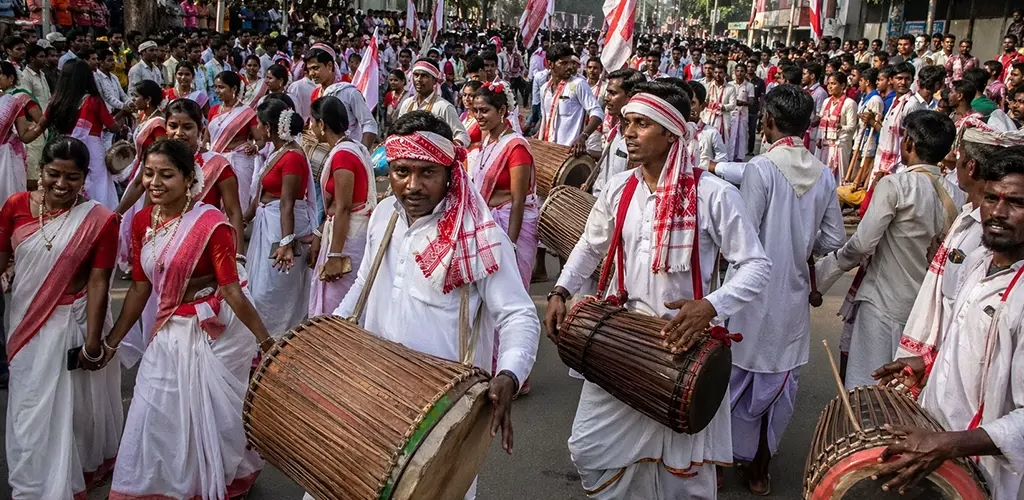
While Sarhul remains deeply rooted in rural traditions, it also has a powerful presence in urban cities like Ranchi and Jamshedpur. Grand processions fill the streets as thousands participate in dances, music, and cultural displays, and these are not just festive gatherings – they are about identity. They bring visibility to tribal culture, reminding the world of a way of life that respects nature and community.
Thus, the Sarhul festival is more than a seasonal celebration – it is about balance. It consistently reminds us that the earth is not a resource but actually God who sustains, nurtures, and cradles us. In a world evolving extremely fast, the Sarahul festival feels like a pause to honour something timeless – extending it beyond just festivities to a feeling!