Pattachitra Art: An Ancient Storytelling Tradition That Continues To Live On
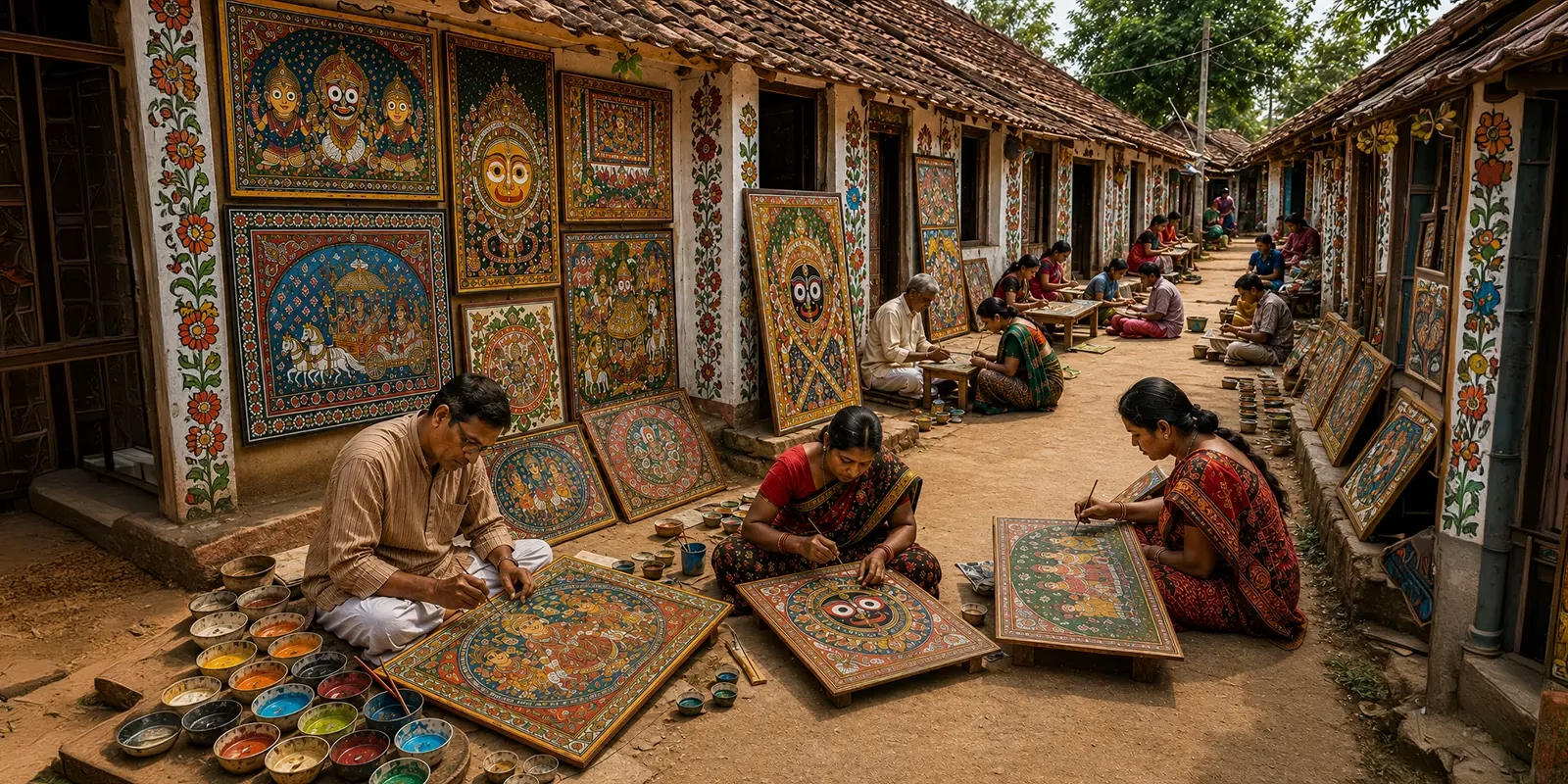
In a small village in Odisha, every single house is an art studio and a simple piece of clothing turns into a canvas.
This is the story of Raghurajpur, where generations of families continue practising Pattachitra art, one of India’s oldest and most celebrated painting traditions.
The name Pattachitra comes from two Sanskrit words: patta (cloth) and chitra (picture). More than just art on cloth, Pattachitra painting is a centuries-old storytelling tradition that brings Hindu mythology to life using natural colours.
But how can a piece of cloth become a storyteller without a single line of text?
The Visual Language of Pattachitra Art
Every Pattachitra painting follows a set of artistic rules passed down for centuries. Each artwork begins with a detailed floral border, followed by scenes from the Ramayana, Mahabharata, the adventures of Hanuman, or the childhood of Lord Krishna.
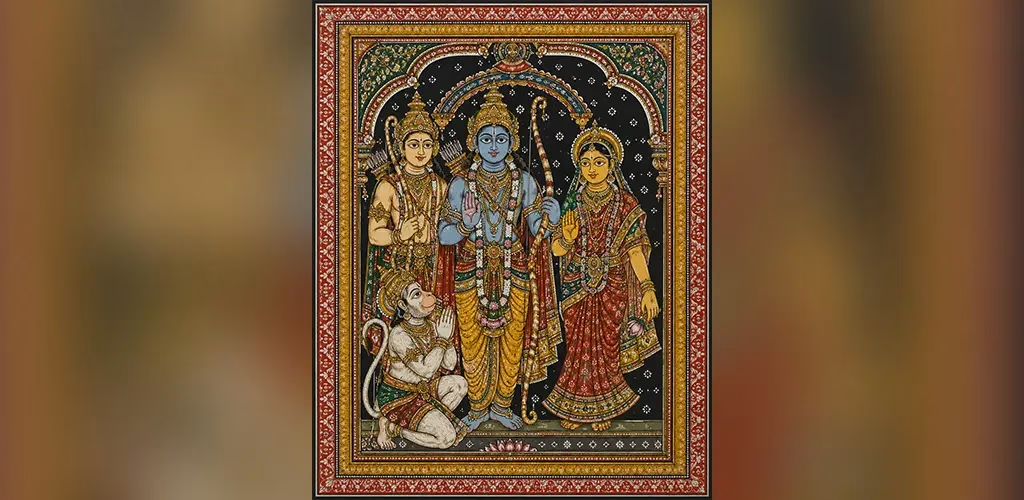
To make these stories easy to recognise, the artists, known as Chitrakars, paint every character from the side with one large, expressive eye. The artists use bold outlines, bright colours and graceful poses inspired by Odisha’s temple sculptures and traditional dance forms to bring every story to life.
But the stories are only half the masterpiece. The real surprise lies in the way the artists create their canvas and colours.
From Cloth to Colour: How Pattachitra Art Is Made
What if every colour in your art kit comes from nature instead of a shop?
One of the most fascinating aspects of Pattachitra art is that almost every material comes directly from nature.
The canvas is prepared by joining layers of cotton cloth with a paste made from tamarind seeds and chalk powder. After drying and polishing it with a smooth stone, they make every colour by hand using natural ingredients. The colour white comes from crushed sea conch shells, while black is made from soot collected from oil lamps. Yellow and red are prepared by grinding natural mineral stones into fine powder and mixing them with wood-apple tree gum.
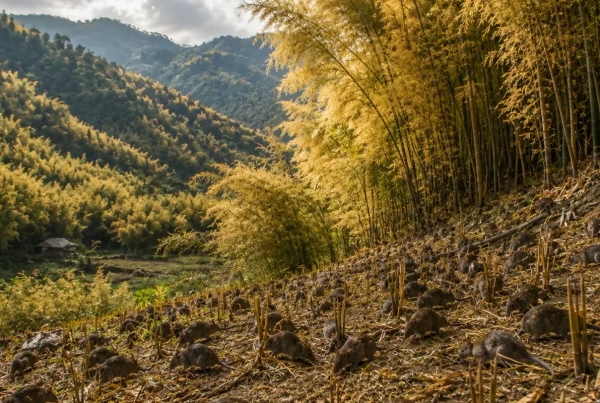
Even the brushes are handmade using fine hair from squirrels or field mice, allowing artists to paint the finest details. From the canvas to the colours and brushes, every part of Pattachitra painting comes from nature before becoming a timeless work of art.
Yet for the Chitrakars, these paintings are not simply beautiful artworks. Sometimes, they become something much more sacred.
Pattachitra Art and Jagannath Temple: A Sacred Connection
Every year during the famous Anasara ritual at the Jagannath Temple, Lord Jagannath, Balabhadra, and Subhadra are believed to fall ill after their ceremonial bathing festival.
The wooden idols are then removed from public view for 15 days to rest and recover.
During this period, the Chitrakars create three sacred Pattachitra paintings known as Anasara Patti. These paintings temporarily replace the original idols inside the temple.
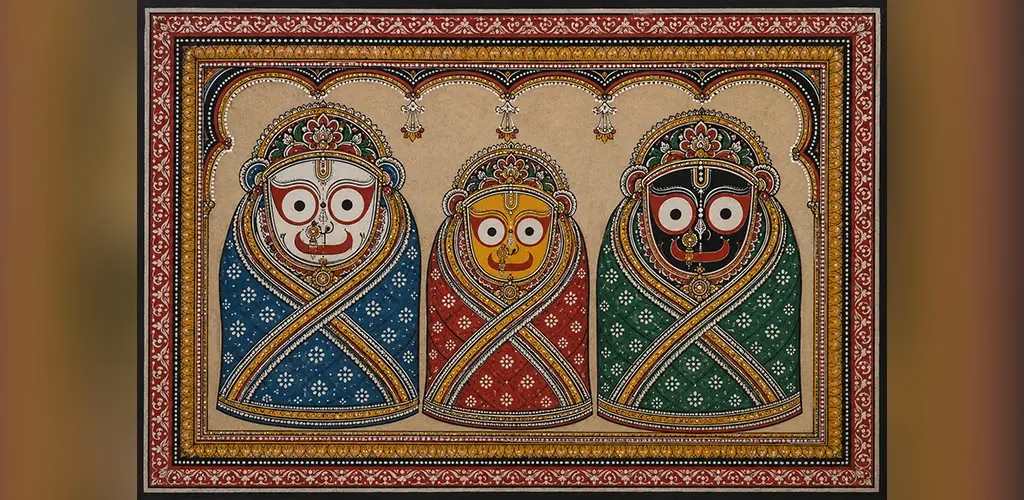
These are far more than just paintings. It is believed that the divine presence of deities resides in these paintings, allowing prayers and temple rituals to continue until the original idols return.
This tradition makes Pattachitra one of the few art forms in the world that temporarily replaces living deities during worship.
While these sacred paintings served the temple, the artists also found ways to help the thousands of pilgrims who travelled to Puri.
Thia Badhia: A Unique Form of Pattachitra Art
Centuries ago, pilgrims travelled for months on foot to reach Puri. Before returning home, they wanted something that would remind them of the sacred temple.
For this purpose, the Chitrakars created Thia Badhia, a unique form of Pattachitra painting that presented a detailed bird’s-eye view of the Jagannath Temple complex.
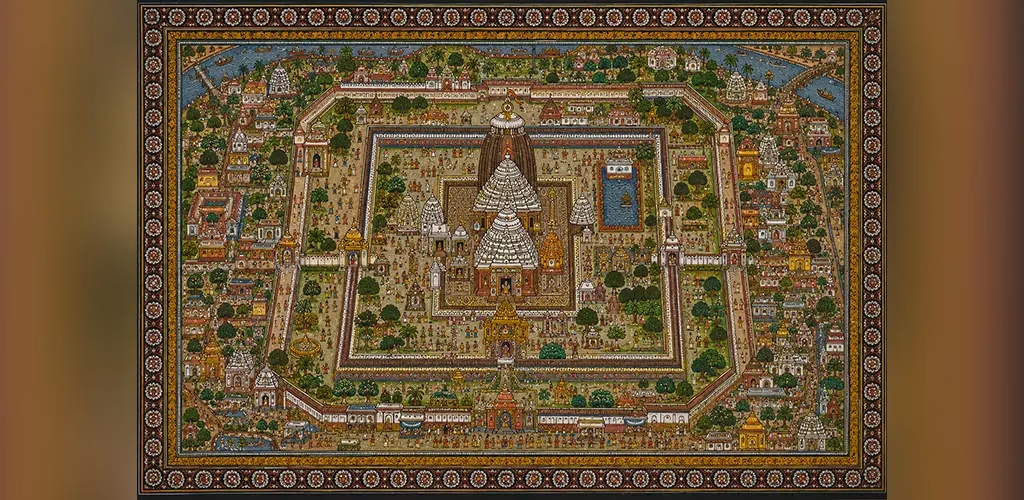
Every gate, shrine, and surrounding structure appeared in these paintings, making them both cherished souvenirs and visual guides for people who might never visit the temple themselves.
Through Pattachitra art, pilgrims carried a piece of the sacred city back home.
Even after completing these detailed temple paintings, the artists refused to waste a single piece of cloth.
Pattachitra Art Beyond the Canvas
After completing a Pattachitra painting, instead of throwing away the leftover pieces of cloth, the Chitrakars glued them into small circular discs and painted miniature Pattachitra designs of Vishnu’s ten incarnations.
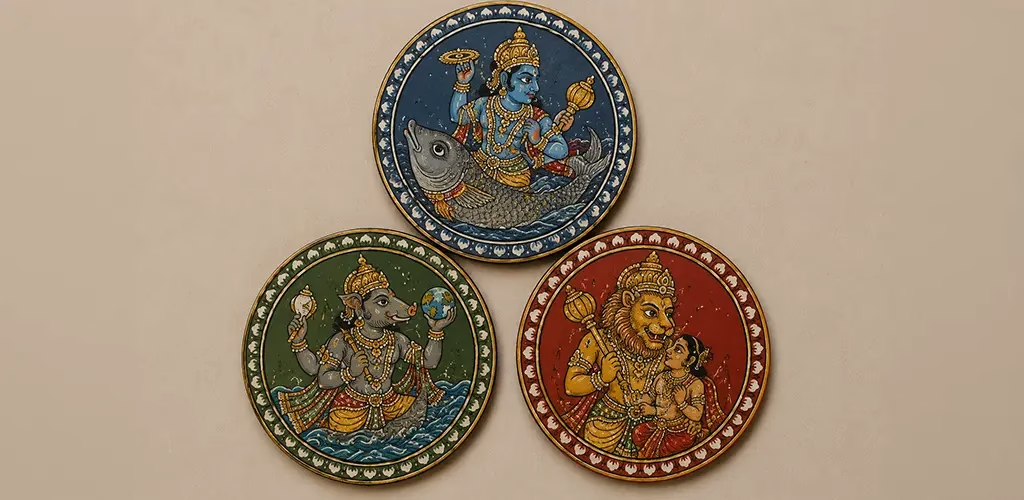
These miniature discs became Ganjifa, hand-painted playing cards that kings and nobles played in royal courts. This is exactly how art turned into sustainability, appreciated in different aspects of living. It communicates the unending urge of ancient India to create something beautiful from what the world might consider a waste. Even today, sustainability exists in various forms and shapes in India – an ode to what the older generations have always followed.
A Timeless Artform That Lives Through Ages
As the world evolves through modern times of the internet and accessibility, various art forms and cultures are losing their essence. But here stands Pattachitra art, continuing to live on because each generation carries this tradition forward. There is an adamancy that resists the loss of a timeless art. Perhaps the true magic of this art lies not only in the stories it preserves, but also in the hands that keep those stories alive.