Paper Bag Day: A Journey Back to India's Thonga Era
What bag do you carry after picking up your favourite snacks or daily groceries?
While plastic once ruled our shopping trips, many of us now find ourselves holding a simple paper bag. It has slowly slipped back into our ordinary routines, becoming one of those everyday objects we use without even blinking.
This is exactly what Paper Bag Day encourages us to do, but for India, this story takes us much further back to the unforgettable Thonga Era, when simple, hand-folded paper bags were already a part of our everyday life.
The Paper Bag That Told a Stranger's Story
There was a time when buying a hot samosa, roasted peanuts, or fresh vegetables came with an unexpected surprise. The paper bag holding your food was rarely plain. It could be made from an old newspaper, a school notebook, a magazine, or even a calendar.
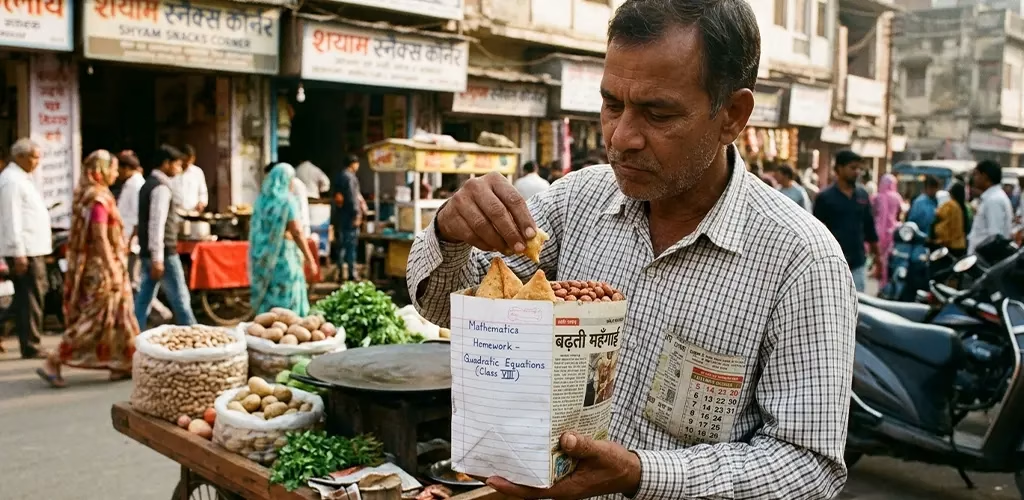
As you enjoyed your snack, your eyes would naturally wander to the paper in your hand. One moment you were eating, and the next you were reading someone’s maths homework, an old news article, or a page from a forgotten magazine. Every thonga had a different story hidden inside it, making even a simple roadside snack a little more interesting.
But these paper bags did not appear out of nowhere. Behind every neatly folded thonga was a person who kept this unique cycle alive.
The Man Behind Every Paper Bag
Every neighbourhood had a familiar visitor, the raddi-wala.
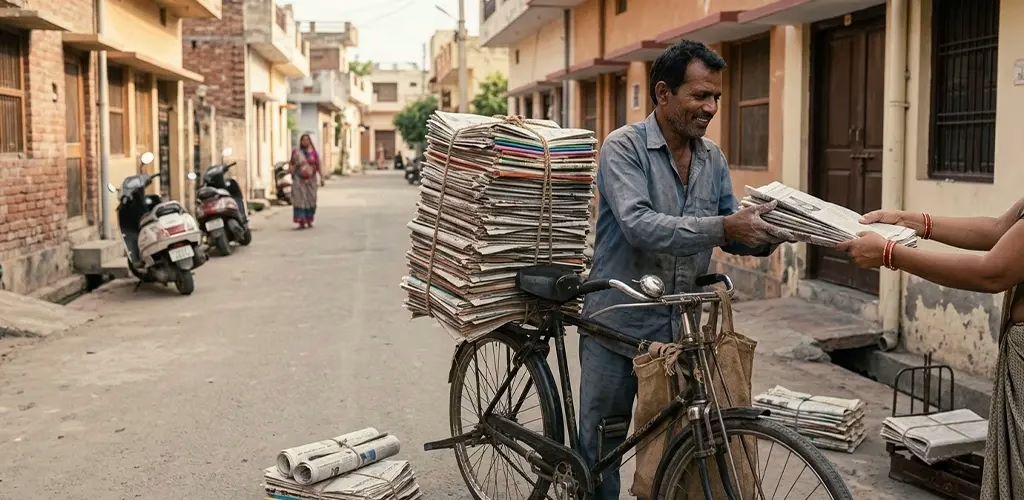
Every few months, families would gather stacks of old newspapers, schoolbooks, magazines, and notebooks lying around the house. The raddi-wala would weigh them on his iron scale, pay a few rupees, and carry them away on his bicycle.
For many people, it looked like old paper leaving the house. In reality, it was the beginning of a new journey.
These bundles reached local families and small workers who turned them into thousands of paper thongas. What was no longer useful in one home became someone’s livelihood in another.
But turning loose sheets of paper into strong bags needed more than just folded corners.
A Little Flour, Skilled Hands, and a Clever Fold
Making a thonga did not require factories or machines.
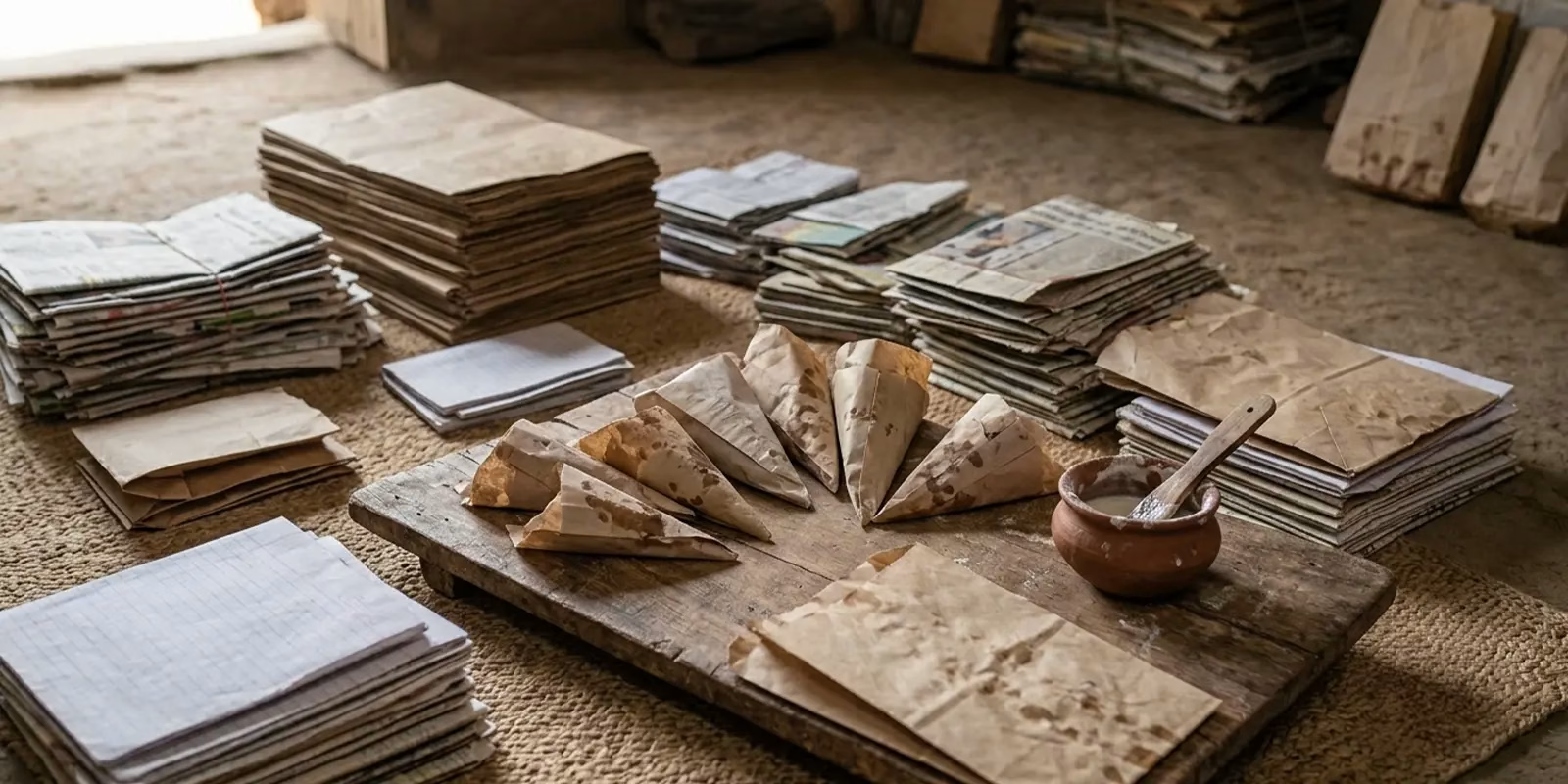
All it took was a pair of scissors, a wooden board, and a homemade glue called layee, prepared by mixing wheat flour with water. It was safe, inexpensive, and easily available in every home.
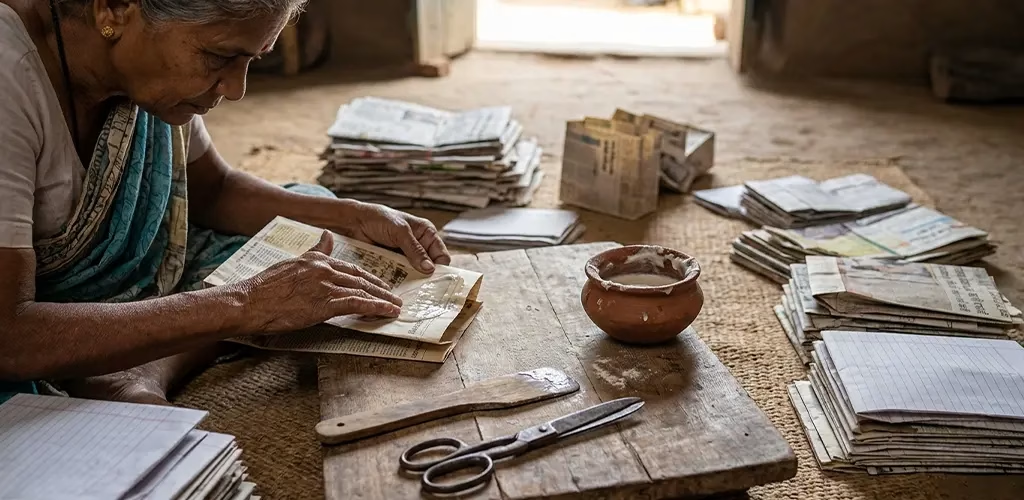
The real magic, however, was in the hands of the people making them.
With years of practice, they folded each sheet in just a few seconds. A page from an old notebook or newspaper quickly became a sturdy paper bag that could hold snacks, vegetables, or groceries without falling apart.
Once these bags reached the market, they offered people something that no modern paper bag ever could.
The Stories Hidden Inside Every Paper Bag
Sometimes you found a page filled with someone’s algebra homework. Other times, it carried an old newspaper report or a matrimonial advertisement searching for the “perfect bride” or “well-settled groom.” Families often laughed while reading these forgotten pages over evening snacks.
Children had their own favourite. If the thonga was made from an old film magazine, it became a prized possession. After finishing the snack, they carefully flattened the paper and pinned it on their walls like a poster of their favourite actor.
A simple paper bag became entertainment, conversation, and a memory that stayed long after the food was gone.
So, what made these familiar paper bags slowly disappear?
The Return of a Forgotten Tradition
As plastic bags became cheaper and more common, paper thongas slowly disappeared from markets. Shopkeepers found plastic easier to store and use, and over time, the familiar sight of people folding paper bags at home also faded away. Along with them, the little stories hidden inside those paper packets quietly disappeared too.
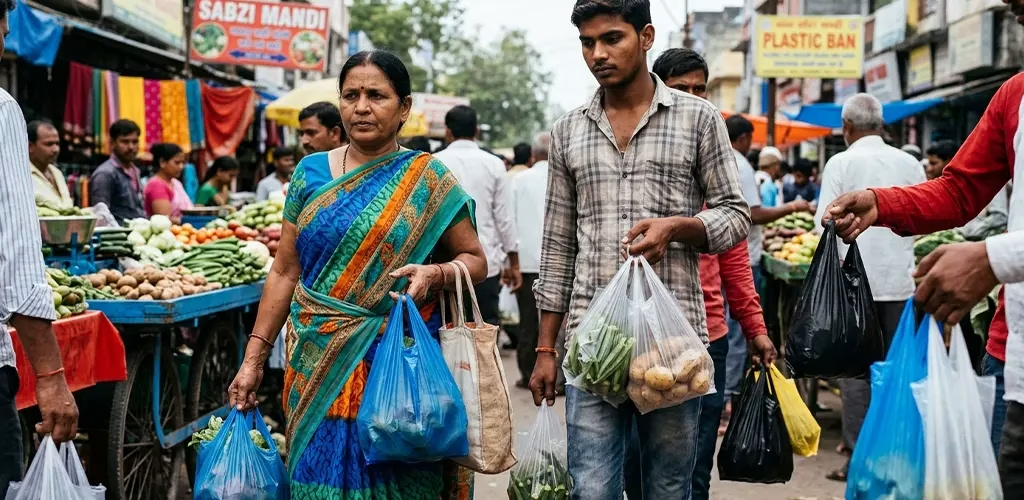
But the story did not end there.
As concerns over plastic waste grew and restrictions on single-use plastic became more common, paper bags slowly found their way back into shops and everyday life.
Today, the humble brown paper bag has quietly returned to our markets and routines. But it is much more than just something to carry your groceries or snacks. For many Indians, it brings back memories of the Thonga Era, when a simple folded sheet of newspaper could carry hot samosas in one moment and a stranger’s forgotten story in the next.
Perhaps the next time you unwrap a snack from a paper bag, take a moment to look at it before throwing it away. After all, a simple paper bag can carry much more than food. Sometimes, it carries a little piece of history too.