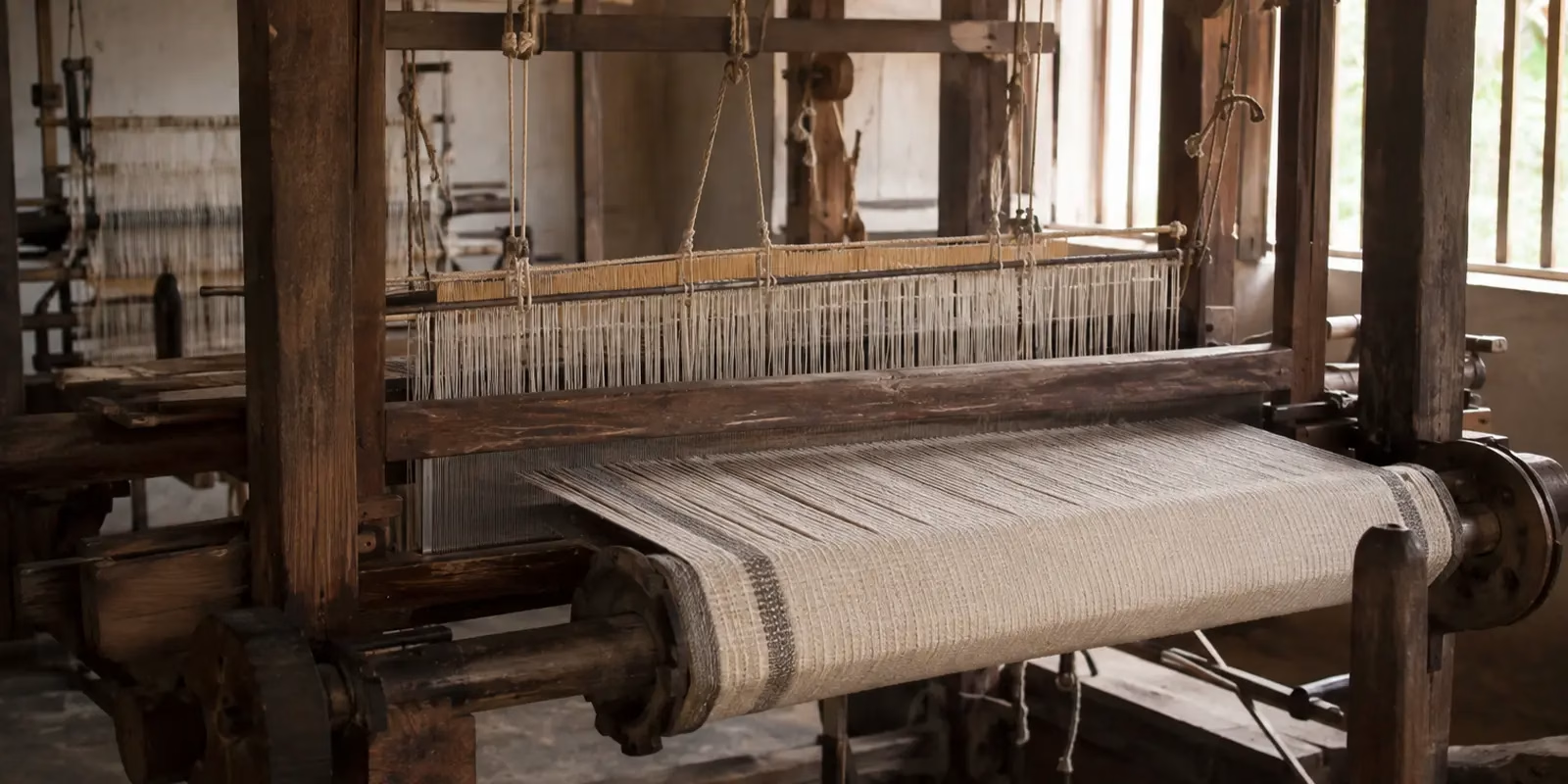
National Handloom Day: When Indian Handloom Became a Weapon
Imagine a simple piece of cloth becoming so valuable that governments feared it.
Sounds unbelievable, right?
But this is exactly what happened in India over a hundred years ago.
Long before mass-produced fashion filled our wardrobes, hand-woven fabric was India’s ultimate tool for freedom.
The Rise and Fear of Indian Handloom
Centuries before India’s freedom struggle, Indian handloom had already won over the world. Two fabrics in particular – Calico and Chintz – became some of Europe’s most sought-after textiles.
Calico, named after the port city of Calicut in Kerala, was admired for being soft, durable, and breathable. But Chintz was the real superstar. Unlike European fabrics that faded after a few washes, Indian Chintz carried vibrant floral patterns that seemed to grow brighter over time.
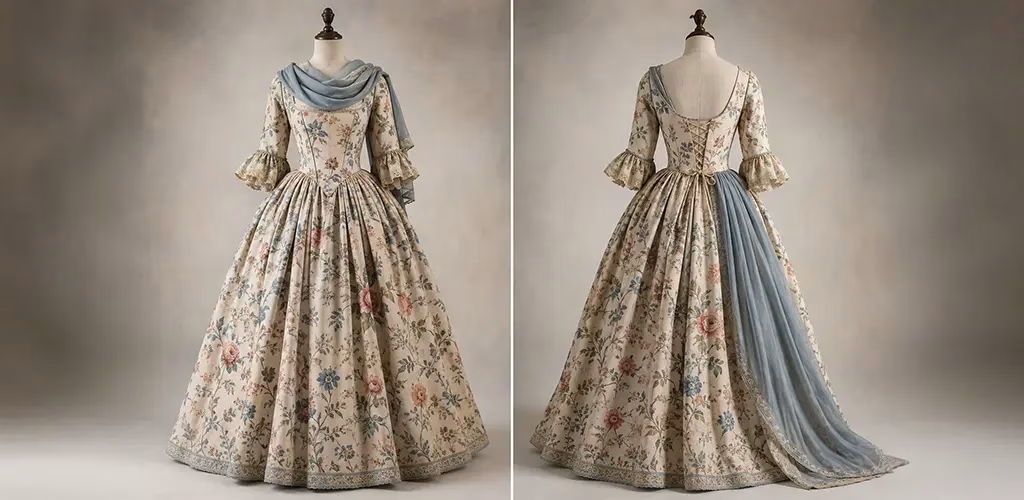
From royal queens to street vendors, people across Europe abandoned heavy wool and silk for lightweight Indian cotton. European textile manufacturers soon realised they could not match the skill of Indian weavers.
Indian handloom had become more than a beautiful fabric. It had become a serious competitor.
When Indian Handloom Threatened Empires
As demand for Indian textiles grew, Europe’s textile industry began to panic.
To protect their own factories from collapse, Britain and France introduced strict laws banning Indian Chintz. Buying it, importing it, and even wearing it in public became a punishable offence.
The fabric was so far ahead of its time that foreign governments chose to outlaw it rather than compete with it.
Long before India fought for political freedom, its handloom had already become an economic threat to colonial powers.
The Movement That Changed Indian Handloom Forever
More than a century later, Indian handloom took on an entirely different role.
On 7 August 1905, thousands gathered at Calcutta’s Town Hall to protest against colonial rule. Their weapon was not a sword or a gun, but a simple pledge: boycott foreign cloth and wear only Indian handloom.
This became one of the defining moments of the Swadeshi Movement, transforming handloom into a symbol of self-reliance and resistance against British rule.
Today, that historic day is remembered as National Handloom Day.
But Indian handloom could only become a symbol of resistance because generations of artisans had already created fabrics the world admired.
The Forgotten Weaves of India
Beyond the famous stories of Calico and Chintz lies another world of Indian handloom. Across the country, generations of weavers created remarkable fabrics that rarely appear in history books today. These forgotten weaves may no longer dominate global trade, but they continue to keep India’s textile heritage alive.
Telia Rumal: The Handloom Made with Oil
In Telangana, there is a handloom named Telia Rumal whose most essential ingredient comes straight from the kitchen: oil.
Before weaving starts, the cotton threads are soaked for weeks in castor oil and natural ash. This softens the yarn and helps the natural colours last for years.
The result is a strong, comfortable cloth that fishermen, traders and travellers once carried everywhere. It was made not for luxury, but for everyday life.
Kotpad: The Fabric Coloured by Nature
What if the colour of your clothes didn’t come from a bottle, but from the roots of a wild tree?
In Kotpad, Odisha, the Mirgan community colours its textiles using dye made from the roots of the local Aul (Indian Madder) tree.
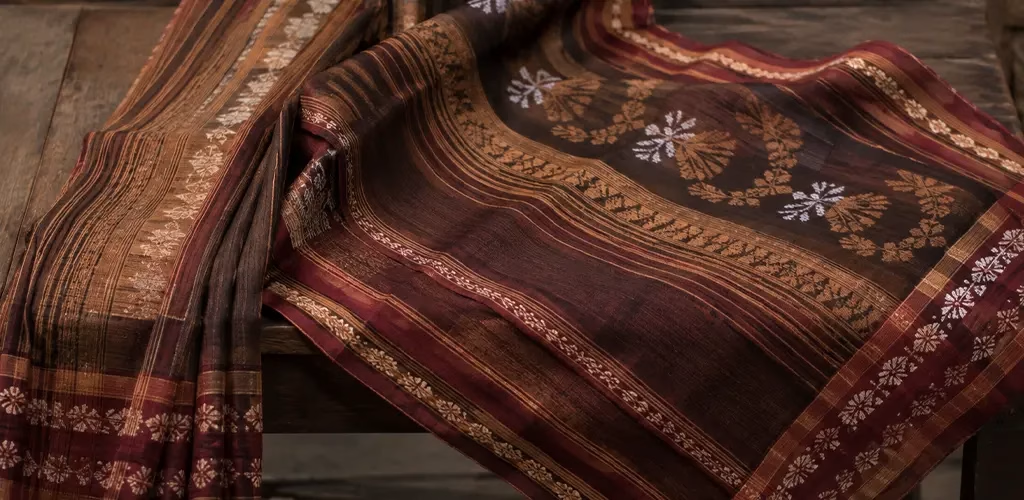
The fabric’s rich brown and maroon shades, along with simple motifs of fish, crabs and ducks, make every piece feel like a part of the forest itself.
From the quiet woods of Odisha, the story moves west toward the grand palaces of Maharashtra, where weavers faced a completely different challenge.
Himroo: The Fabric Woven for Kings
In the city of Aurangabad, weavers created a fabric called Himroo, an old word meaning “a little dream.”
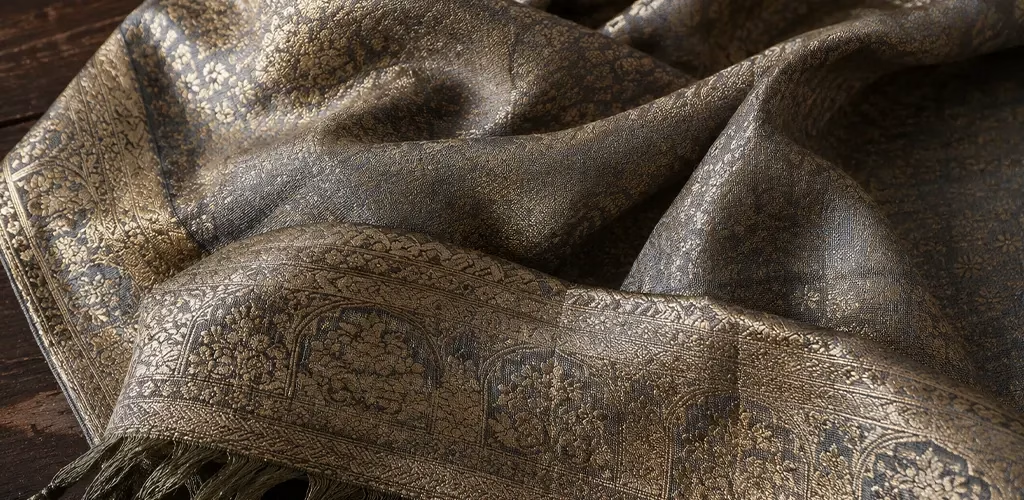
Royal families wanted the beauty of silk without its weight. So weavers blended silk with cotton, creating a fabric that looked luxurious but stayed cool and comfortable.
Every Himroo pattern had to be carefully planned before the weaving even began.
Kasavu: Kerala's Handloom That Spoke Without Colour
Can a fabric still look stunning when it uses almost no colour at all?
In Balaramapuram, a small town in Kerala, master weavers were originally brought in to craft fine clothes for the royal family of Travancore.
Instead of using bright colours or detailed patterns, they created something beautifully simple: Kasavu.
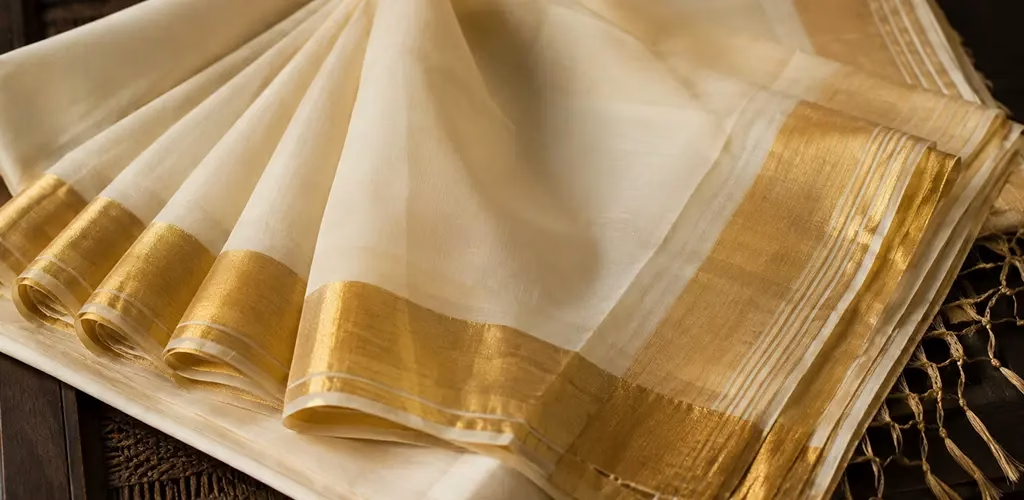
Made from cream-coloured cotton with a simple golden border, Kasavu proves that true elegance comes from fine craftsmanship, not decoration.
More Than Just a Piece of Cloth
The story of Indian handloom did not begin with the Swadeshi Movement.
It began centuries earlier, when Indian weavers created fabrics that the world admired and colonial powers feared. Their craftsmanship challenged European industries, inspired a movement for self-reliance, and eventually became one of the most powerful symbols of India’s freedom struggle.
Today, National Handloom Day is about much more than talking about the fabric. There was a time when wearing handloom was our greatest weapon against foreign rule. Today, it has become something we have to actively fight to save from being forgotten. When a traditional weave disappears, we do not just lose a piece of cloth. We lose a story that took hundreds of years to write.
Decades ago, people used a piece of cloth to bring down the British Empire. Today, as we fill our closets with fast fashion, are we letting the very hands that wove our independence fade into silence?