Machli: The Tigress Who Changed Ranthambore
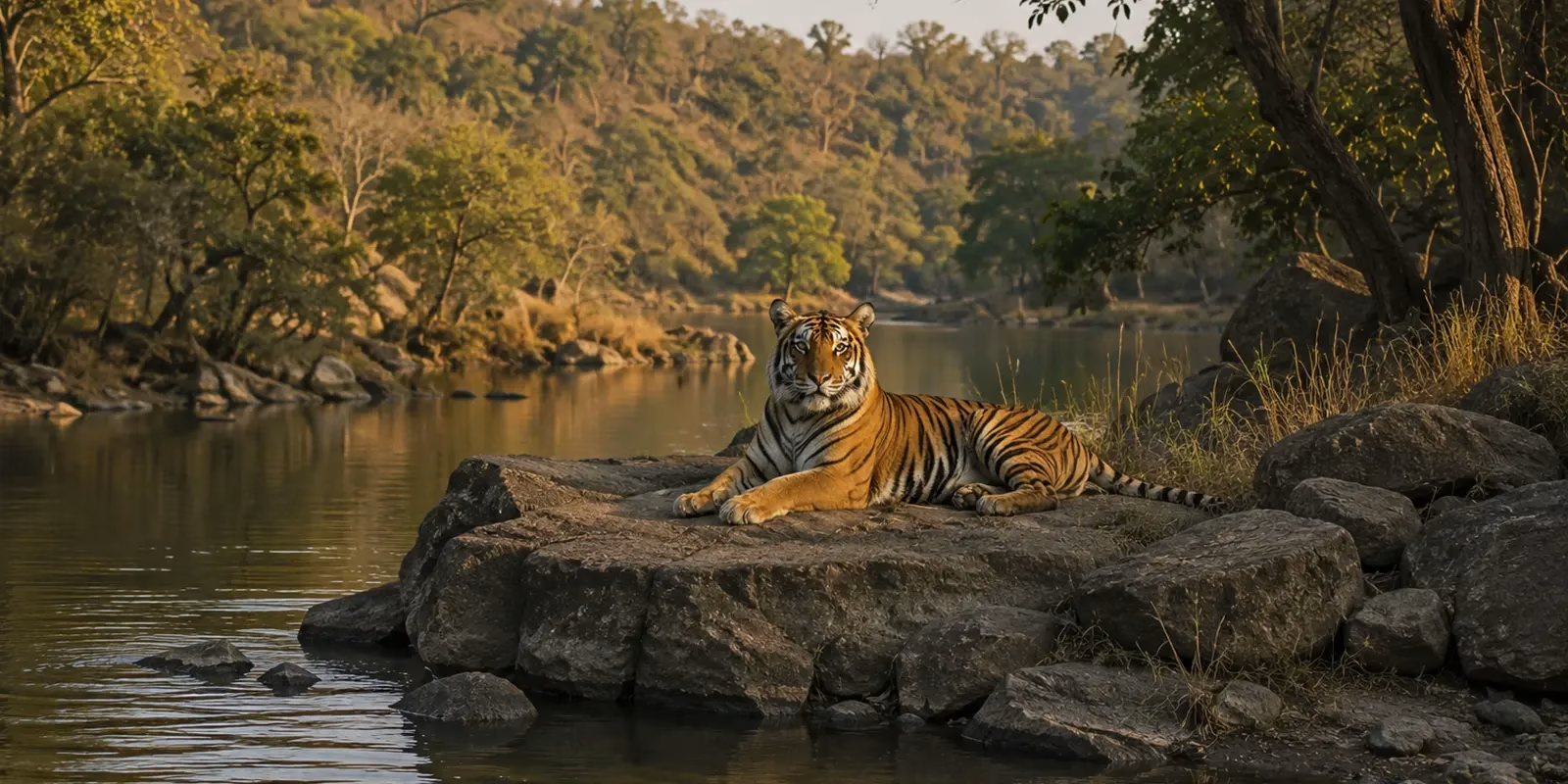
Ranthambore is known for its forests, lakes, and, of course, tigers. But one tigress became so famous that people travelled from around the world just to see her.
Her name was Machli, the legendary tigress known as T-16. While a wild tiger usually lives for around 10 to 12 years, Machli lived for nearly 20 years.
Every year on International Tiger Day, social media is filled with basic facts about tiger conservation. But if you really want to understand why protecting these animals matters, you have to look at Machli, one of the most famous wild tigresses in the world.
Why Was She Called 'Machli'?
A tigress named Machli. What could the reason possibly be?
The most common assumption is that she loved swimming or eating fish. But that’s hardly true. Her name actually came from a unique mark on her face!
When Machli was born in 1997, wildlife guides noticed a pattern of stripes on the left side of her face that looked like the shape of a fish. Her mother had a similar mark, so forest guards gave her the name Machli.
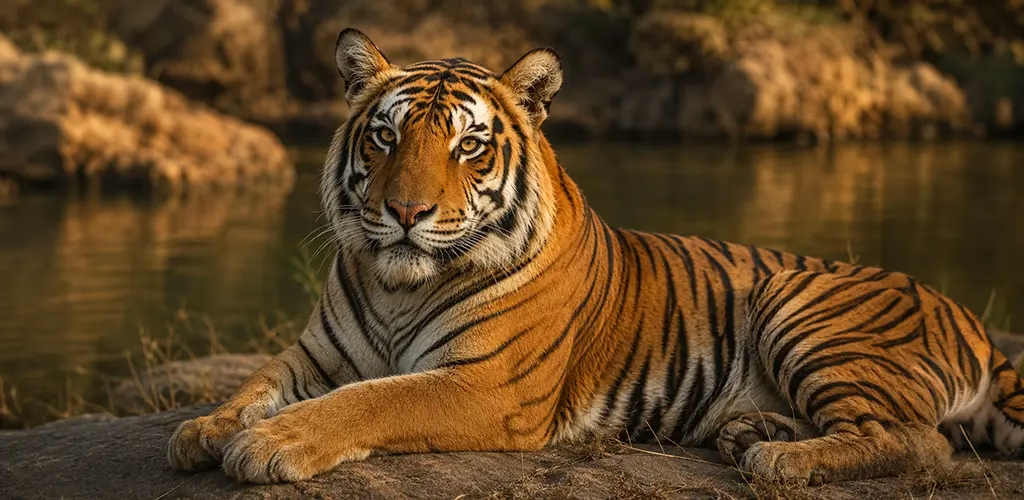
Unlike many wild tigers that prefer to stay hidden in the forest, Machli was comfortable around humans from a young age. She became one of the most photographed wild big cats in the world and played a major role in making Ranthambore famous for tiger tourism.
But behind her calm presence around tourists was a strong tigress who ruled the lakes of Ranthambore for more than a decade.
The Crocodile Slayer: A Battle for the Lakes
One of the most famous stories about Machli was her fight with a huge 14-foot mugger crocodile.
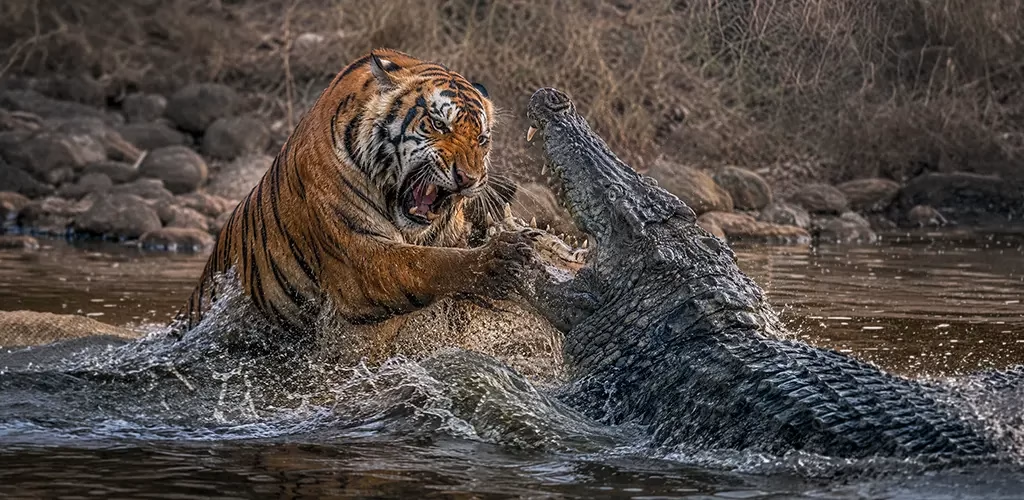
During a severe drought, the water levels in Ranthambore’s lakes dropped. A large crocodile tried to take a deer carcass that Machli had hunted for her cubs. Instead of moving away, Machli attacked the crocodile near the edge of the water.
After a long fight, she killed the crocodile and kept her food. But the fight came at a cost. She lost two of her canine teeth. The incident made her famous as the Crocodile Killer and helped her keep control of the important lake territory where her family lived.
That fight was not just about strength. It was also part of the story of a family line that later became important to the tiger population of Ranthambore.
The Tigress Who Boosted an Economy
Machli’s fame reached far beyond the forests of Ranthambore. Tourists travelled from around the world hoping to catch a glimpse of her, making her one of the reserve’s biggest attractions.
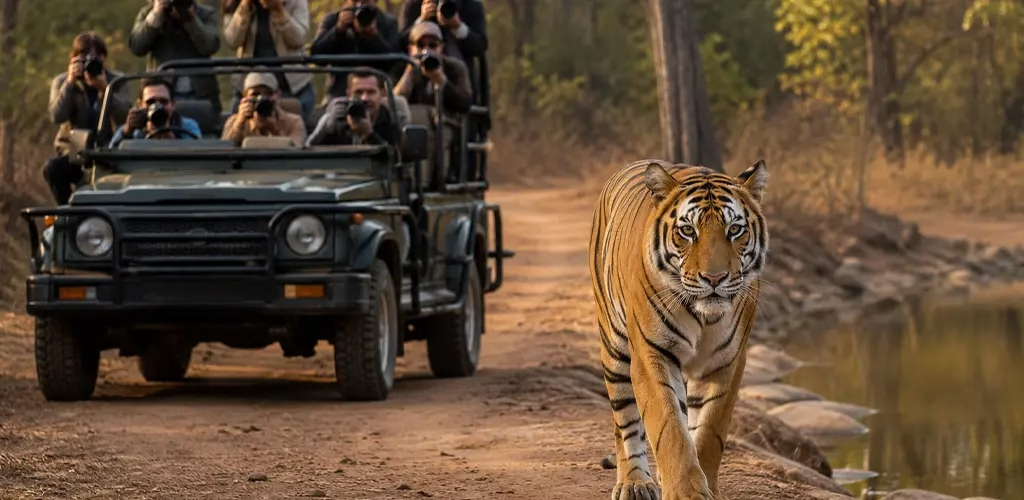
During her peak years, forest officials estimated that tourists who came to see Machli brought in over ₹83 crore a year to Rajasthan’s local economy. Her popularity supported safari drivers, hotel staff, guides, and local craft sellers who depended on tourism.
But Machli’s impact was not limited to the people who came to see her. Her legacy can still be spotted in the forests of Ranthambore.
More Than Just a Tiger
More than half of the tigers in Ranthambore are believed to be descendants of Machli. She had 11 cubs during her lifetime, and their children and grandchildren went on to become an important part of the park’s tiger population.
Her bloodline even reached beyond Ranthambore. Two of her daughters were moved to Sariska Tiger Reserve as part of efforts to rebuild its tiger population.
So, Machli may be gone today, but her story is still surviving the forests.