Apatani Dree Festival: A Celebration in Ziro Valley That Feels Otherworldly
What if the only way to save everything you loved was to completely stop moving?
For centuries, deep in the misty hills of Arunachal Pradesh, the Apatani people have lived in the beautiful Ziro Valley. Here, life follows the rhythm of nature, not the clock. And every summer, one special festival brings the entire valley to a complete standstill.
This is the story of the Dree Festival.
When Nature Turned Against the Apatani People
To understand this celebration, you have to travel back to a time when the Apatani ancestors faced a terrible nightmare.
Out of nowhere, nature turned against them.
Swarms of angry insects dropped from the sky like dark clouds. Wild animals stormed the fields, trampling the young crops into the mud. To make things worse, sudden floods swept through the valley, washing away months of hard work in minutes.
The Apatani people were starving and helpless, and they knew human hands could not fight this kind of fury.
So, the elders of the Ziro Village did the only thing they had left to do: they turned to the spirits.
The Apatani Legend Behind the Dree Festival
What if the only way to save your home was to seek the unseen powers of nature for help?
Long ago, that’s exactly what the Apatani people were forced to do.
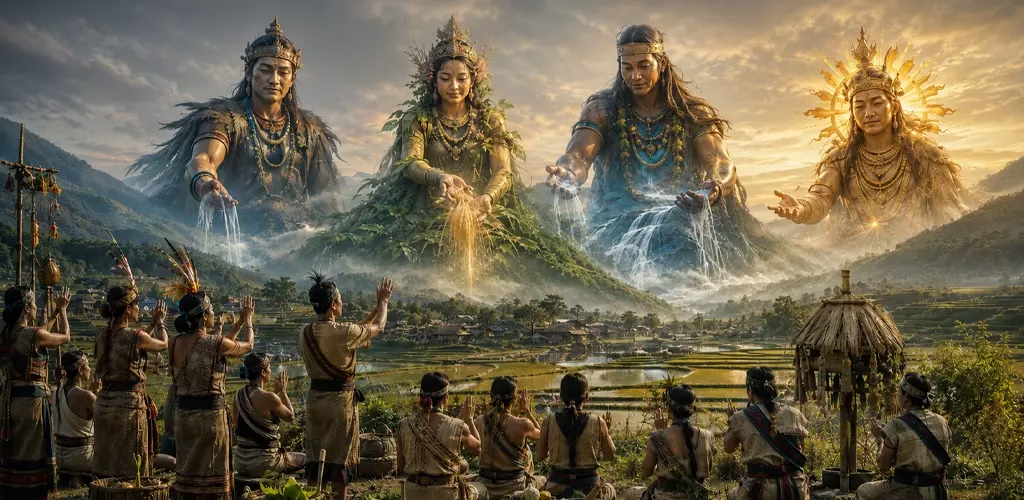
When their crops were being destroyed by insects, heavy rains were flooding their fields, and nothing they tried seemed to work. With no other hope left, the village elders prayed to the four deities they believed protected their land.
They asked Tamu to drive away the insects, Harniang to keep the soil fertile, Metii to stop the floods, and Danyi, the Sun God, to bring back warmth and sunlight. Legends say that soon after this, everything changed. The insects disappeared, the floodwaters went down, and the fields turned green once again.
Apatani people believed their prayers had been answered. So they made a promise to honour these four deities every year, through music and rhythm.
Rhythms of the Valley: The Apatani Daminda Dance
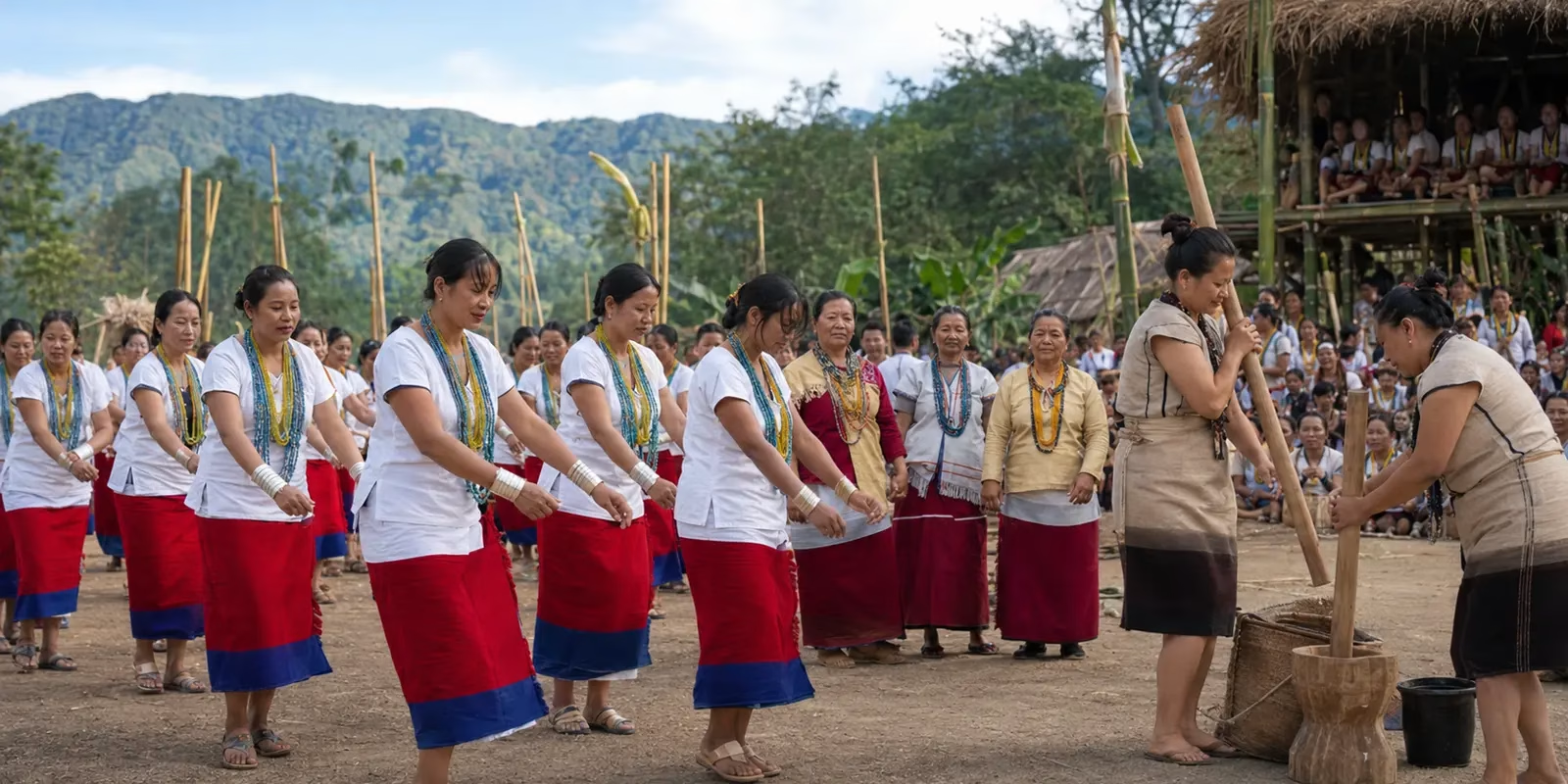
As the festive morning sun rises, the quiet valley bursts into a sea of bright colours and moving lines. This is where the famous Apatani folk dance, the Daminda, takes over the festival grounds.
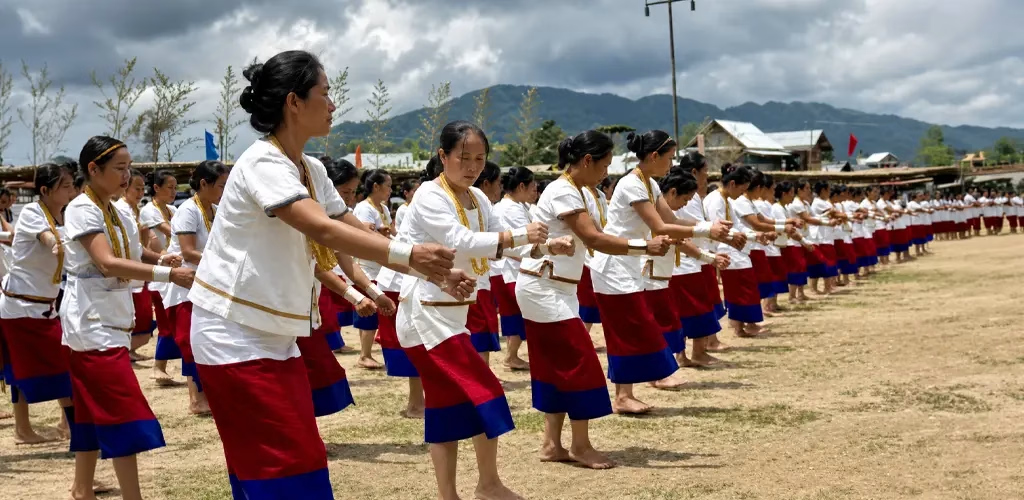
Groups of women dress in their beautiful traditional white and colourful skirts. They link arms to move in perfect, graceful steps across the grass. As they dance, they sing ancient songs that praise the farmers’ hard work and wish love and happiness for the young couples in the village.
While the older folks connect deeply through these gentle, rhythmic chants, the younger generation waits in high suspense for a completely different kind of modern thrill.
Dree Miñ: Most Exciting Tradition of The Dree Festival
While the traditional dances keep the history alive, the community has added a surprising modern bridge to the festival called the Dree Miñ. This is a massive lucky draw that gets the whole valley super excited.
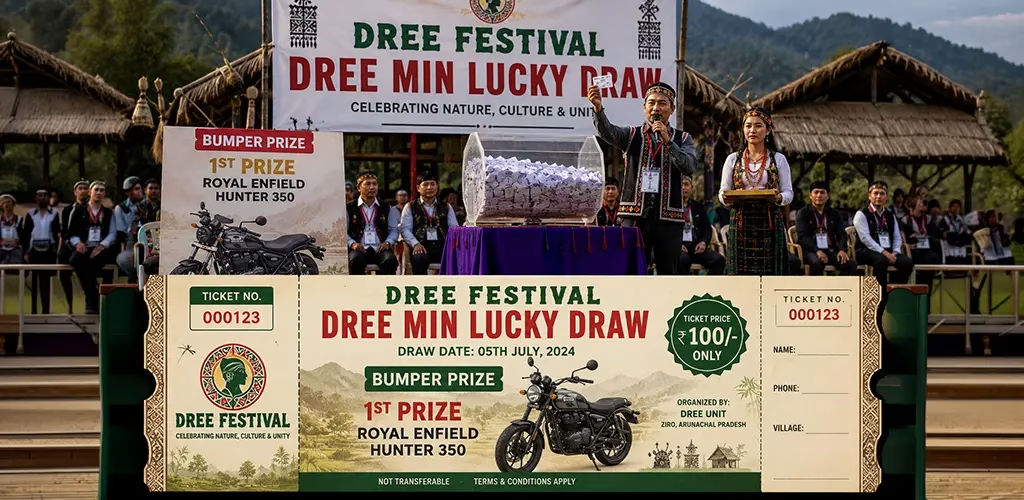
For months before the celebration, almost everyone buys tickets, hoping to win a piece of good luck. On the main day, the excitement is huge. Big crowds gather around a stage where numbers are pulled out in front of everyone for grand prizes like bikes, cars, or cash. It is a perfect blend of old-world faith and modern-day festival thrill.
But beyond the loud stages and the lucky draws, there are quiet, unique customs hidden within the bamboo homes that truly reveal the heart of the Apatani tribe.
Hidden Apatani Customs of the Dree Festival
If you walk into any neighbourhood during the festival, a local will instantly hand you a freshly sliced cucumber.
Since July brings peak heat right after the hard fieldwork ends, this juicy crop has become the festival’s official mascot, standing for freshness, peace, and good health. If you look up, you will also see giant, spiked bamboo structures raised high into the sky to scare away evil spirits and birds.
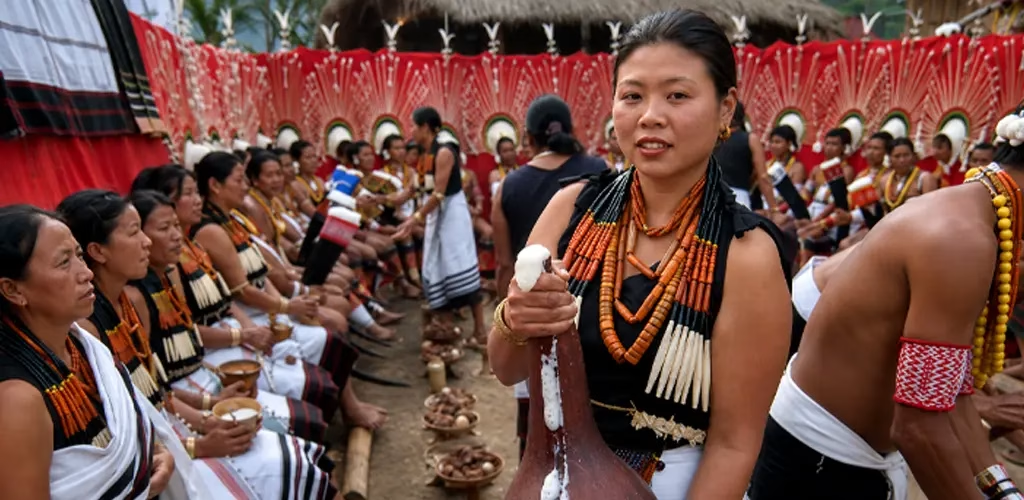
As night falls, the focus shifts from the fields to the family. The cucumbers and bamboo guards make way for a deeply emotional ritual centred around Dree-Olo, a special millet beer brewed by the local women.
They carry batches of this homemade drink to their married sisters and aunts to keep their family ties strong. Everyone is incredibly careful not to spill a single drop, because wasting even a little bit of this special beer is strictly against the rules.
This deep respect for rules is what prepares the village for its final, most mysterious phase.
Dree Arhi: The Sacred Lockdown That Stops Everything
As the loud music and public feasting fade away, a deep, heavy silence settles over the entire Ziro Valley.
The Apatani tribe enters a strict, mandatory lockdown period known as Dree Arhi. For several days, it is completely forbidden to dig the soil, cut down trees, or move crops outside the village gates. The Apatani people firmly believe that disturbing the earth during these days will offend the resting gods and bring back the ancient plagues of insects.
As you leave the valley, one thing becomes clear: the Dree Festival is far more than a celebration. It is a living promise passed down through generations, reminding the Apatani people to honour the forces they believe protect their land. In a world that rarely slows down, the quiet stillness of Dree Arhi is perhaps the festival’s most powerful lesson – that sometimes, respect is expressed not through action, but through restraint.