Brihadeeswara Temple: The Temple That Touched the Sky First
What if a skyscraper had no steel, no cranes and no machines?
This is exactly what India’s first skyscraper achieved.
Skyscraper Day is usually reserved for glass towers and steel frames, for cities racing each other toward the clouds. But over a thousand years before any of that existed, a temple in Tamil Nadu was already asking the same question every skyscraper eventually asks.
How high can something be built, and still stand?
The answer to that was carved entirely out of granite that has been standing in Thanjavur since the year 1010.
A King Who Wanted to Reach the Sky
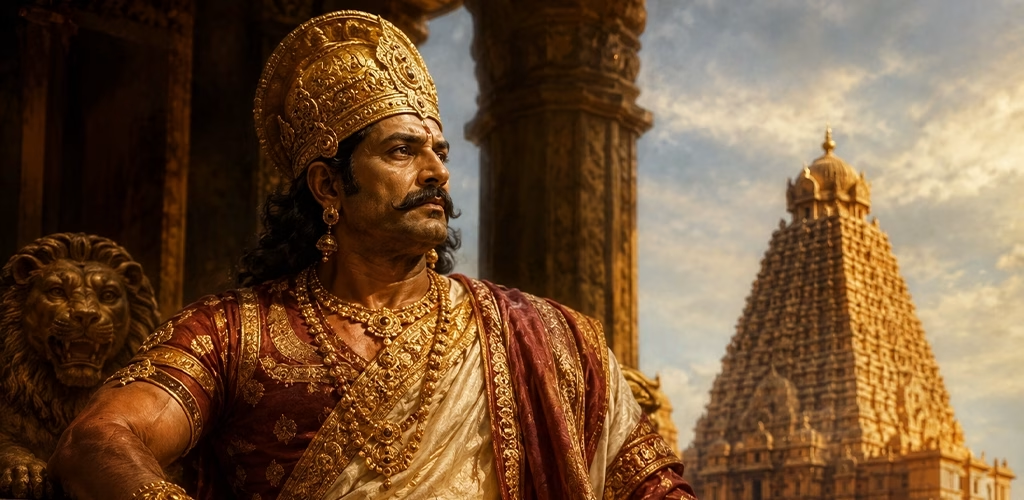
Raja Raja Chola I, one of the most powerful rulers of the Chola dynasty, commissioned the Brihadeeswara Temple when the Chola Empire was at the height of its power, with its influence reaching across South India and beyond.
This was not simply an act of devotion but also a statement of power.
Raja Raja Chola I was at the peak of his power and wanted a temple that reflected exactly how far his empire had risen, and there was no better way to say that than by building something taller than anyone else had attempted.
The temple was constructed in order to honour Lord Shiva and was originally called Rajarajeswaram, a name taken from the king himself. The temple was built almost entirely out of granite, a stone that was nowhere near the region where construction took place.
So how did the Cholas bring huge amounts of stone to the site and turn it into a temple that would rise so high above the ground?
216 Feet of Stone, Built by Hand
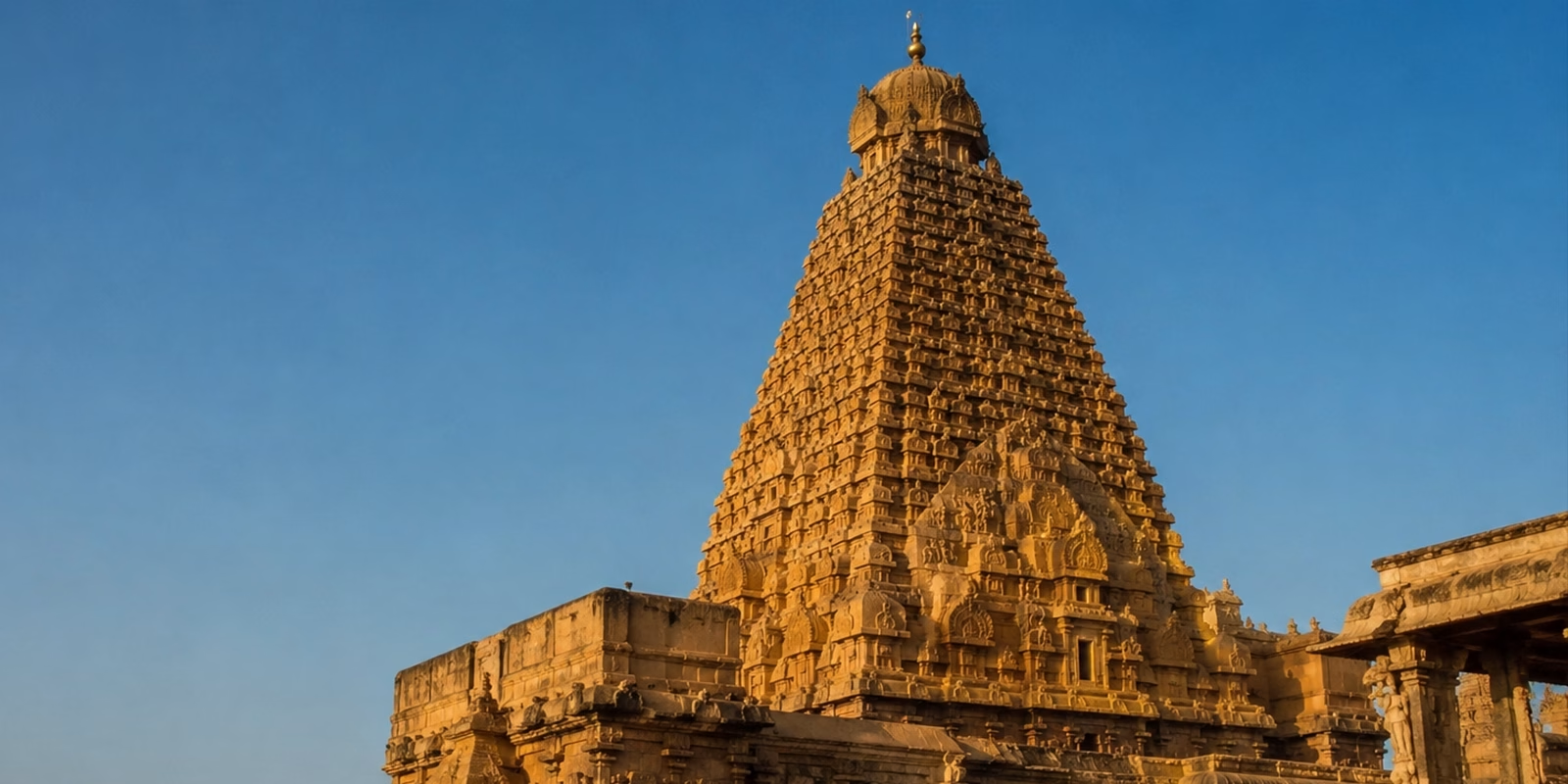
The vimana, the temple’s central tower, rises to roughly 216 feet, making it one of the tallest structures in the world at the time it was built.
There were no cranes. No modern scaffolding to lean on.
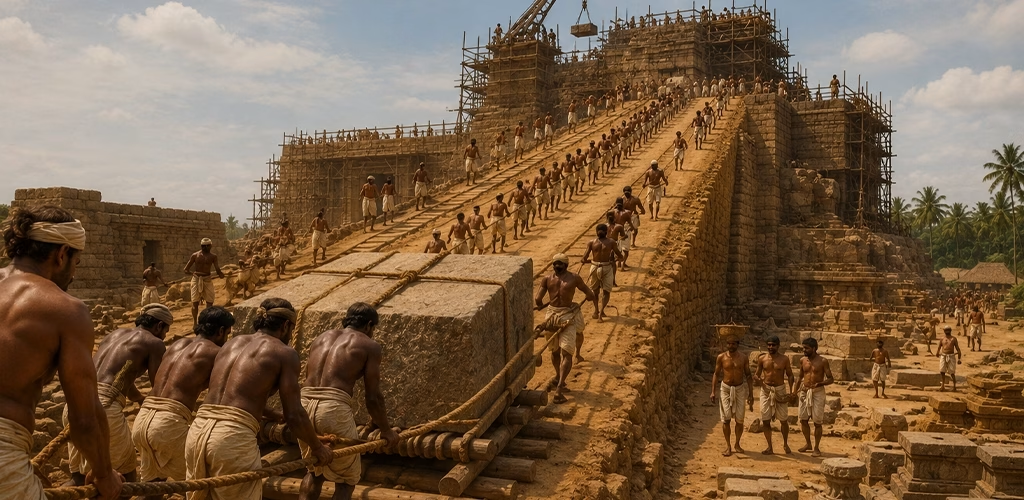
Historians believe the massive granite blocks were transported using ramps that stretched for kilometres, gradually raised as the structure grew taller, allowing workers to drag stone upward using nothing but rope, wooden rollers and sheer coordinated labour.
But the real challenge came at the very top.
The temple is crowned by a single granite block believed to weigh nearly 80 tonnes. According to the traditional account, it was hauled up a specially built ramp from several kilometres away and placed at the top of the temple.
The Shadow That Refuses to Behave
But the strangest stories about Brihadeeswara Temple are not always about how it was built.
Some are about what the temple does.
For centuries, locals have claimed that the vimana’s shadow never falls on the ground at noon, an effect often credited to the precise engineering of the tower’s height and structure.
Whether this is architectural genius or a story shaped by admiration over time, it captures something true about the temple. It was built to be looked up at, not looked down upon.
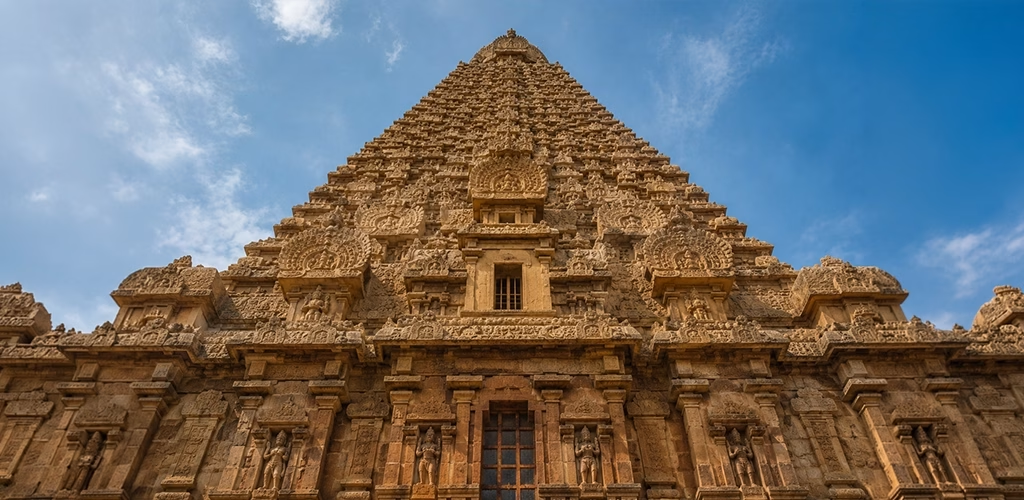
The Skyscraper Before the Word Existed
The word skyscraper did not exist for almost another thousand years even after the Brihadeeswara Temple was completed. Yet the idea behind it existed in full glory: to build higher than anything before, and create something that could be seen from far away.
Today, the temple stands among the UNESCO-listed Great Living Chola Temples, still drawing eyes upward after more than a thousand years.
No steel, no glass, no machines – just granite, patience, and a king who wanted the world to look up.
And a thousand years later, it still does.