Drukpa Tshechi: The Festival That Began With Buddha's First Teaching
Festivals are known for colourful processions, loud celebrations, and huge crowds. But Drukpa Tshechi is different.
Celebrated by the Himalayan Buddhist communities in Sikkhim, Ladakh and other regions, Drukpa Tshechi is a festival of spirituality. Every year, it falls on the fourth day of the sixth month of the Bhutanese lunar calendar. While people gather in monasteries to pray, the real beauty of the festival lies in the stories that many people have never heard.
Behind this quiet festival is a tale of friendship, misunderstanding, forgiveness, and traditions that have survived for centuries.
So, what exactly happened on the day that Drukpa Tshechi celebrates?
The Beginning of Buddha's Journey as a Teacher
It goes back in time when Siddhartha Gautama attained enlightenment beneath the Bodhi tree and had just become the Buddha.
Instead of keeping his new understanding to himself, he decided to share it with others. He walked to a quiet deer park in Sarnath, near Varanasi in India, to share his very first teaching. This moment is remembered in Buddhism as the First Turning of the Wheel of Dharma, marking the beginning of the Buddha’s journey as a teacher.
Most people know about the five disciples who sat on the grass to listen to him, but very few know that these same five men had once turned their backs on him.
The Five Friends Who Left the Buddha
Long before becoming the Buddha, Siddhartha Gautama spent years living a life of extreme hardship with five close companions.
He and his companions believed that giving up food and comfort would lead to true wisdom. Later, when he realised that self-starvation did not bring true wisdom, he decided to stop and accepted a simple bowl of rice from a village girl. His five friends felt deeply betrayed, believing he had abandoned the spiritual path; they left him behind and travelled to the Deer Park in Sarnath.
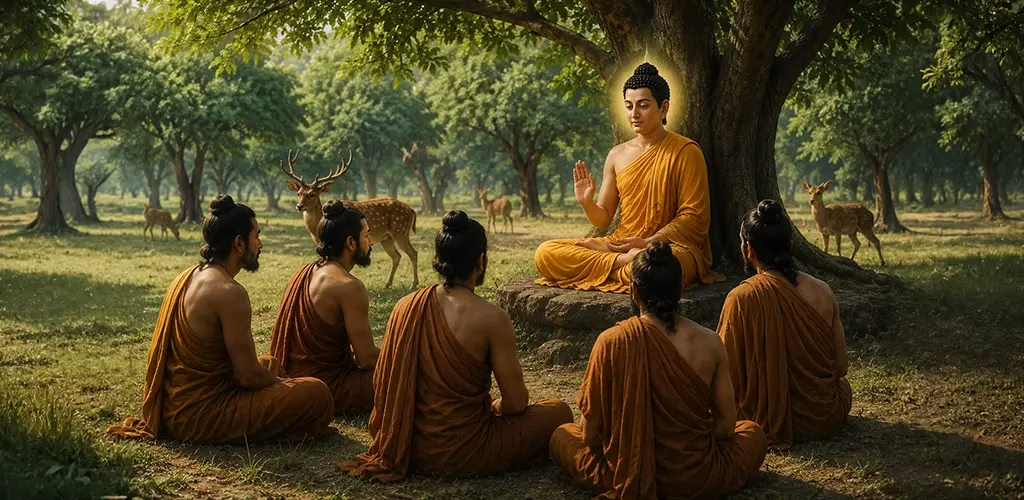
Weeks later, when Siddhartha became the Buddha, he walked towards them. Still holding a grudge, the five friends made a strict pact to completely ignore him when he arrived. But as the Buddha walked closer, their plan fell apart. The anger they had held for weeks melted, and they all sat together to listen to him.
But according to Himalayan folklore, the five friends were not the only listeners that day.
Why Two Deer Appear on Bhutanese Monasteries
According to local folklore, while the Buddha was speaking, two golden deer also stepped out from the thick trees and knelt quietly on the grass to listen.
This moment is beautifully preserved in the Buddhist architecture. Even today, the Buddhist monasteries and dzongs in Sikkhim and Ladakh have a golden Dharma wheel placed between two kneeling deer on their rooftops.
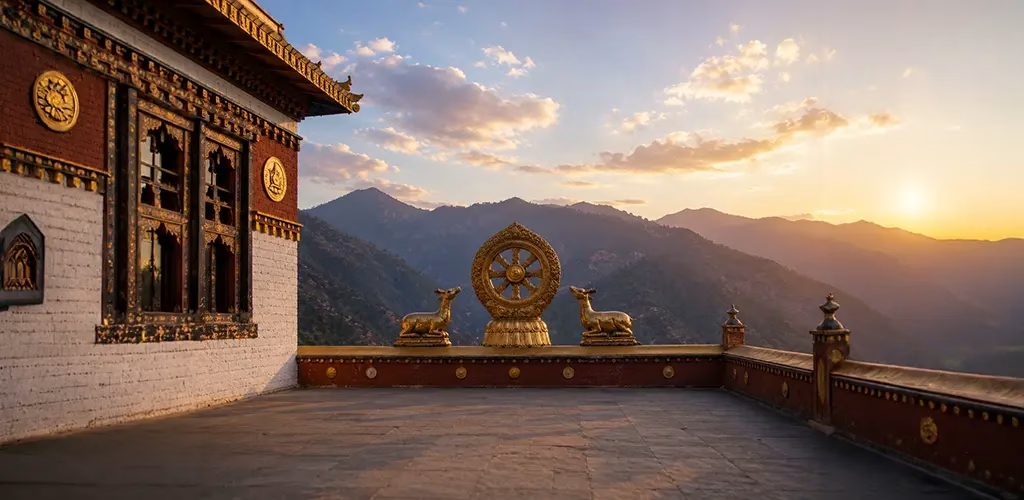
Centuries have passed since that day in Sarnath. Yet every year, people continue to remember it in their own special ways.
How Drukpa Tshechi Is Celebrated Today
Early in the morning, all family members put on their traditional clothing: the Gho for men and the Kira for women. After a morning meal of traditional butter tea and puffed rice, they step out together.
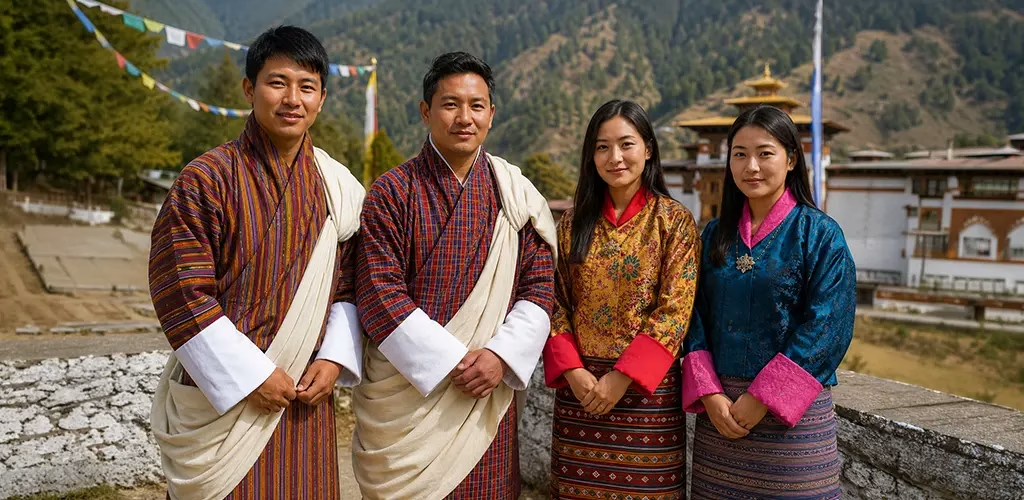
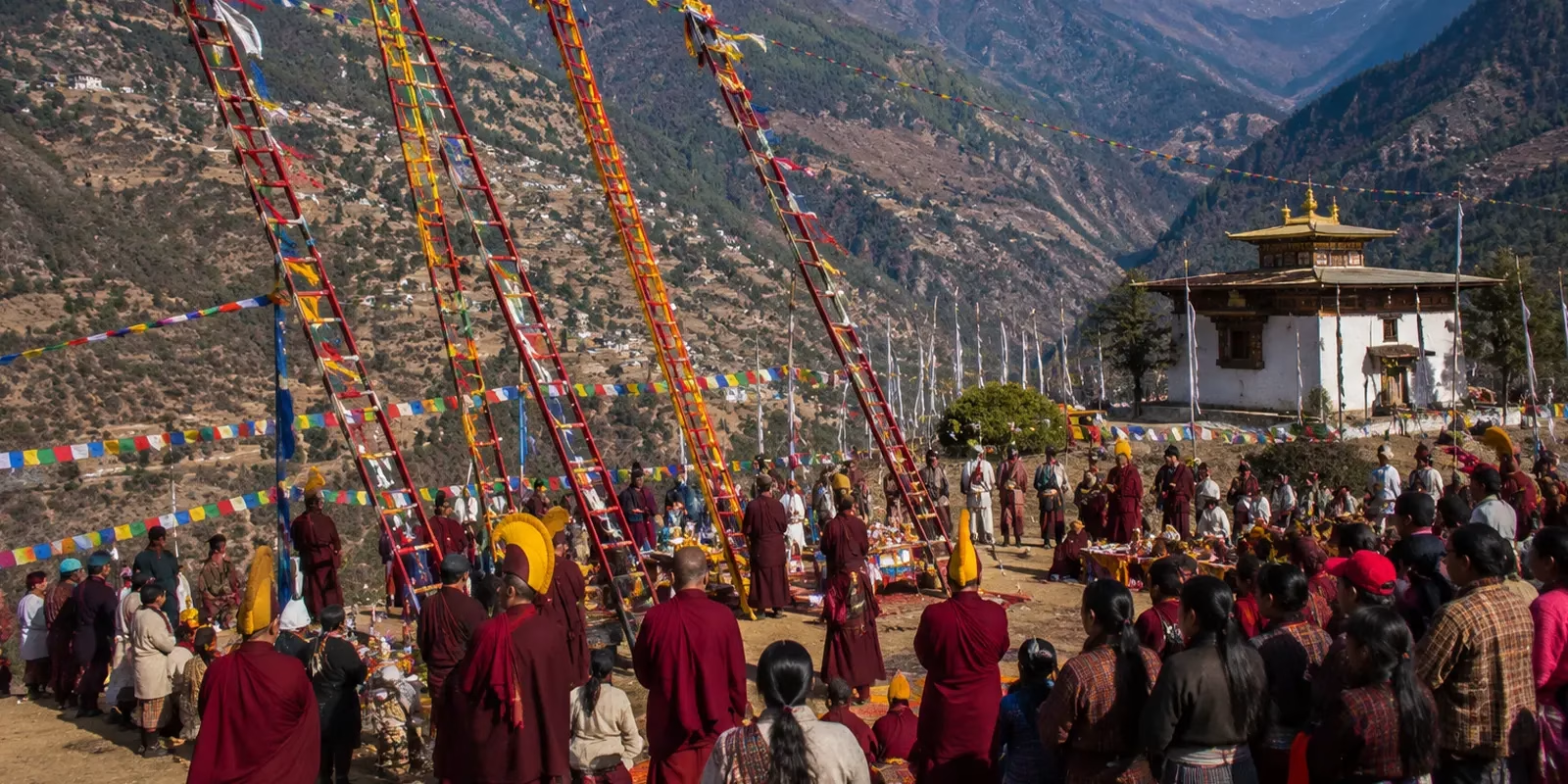
Families visit temples to offer prayers in a tradition known as Zhal Dhue, which means paying respects. Inside the main hall, monks perform special Puja ceremonies that are dedicated to the Buddha’s first teachings, their chanting accompanied by the sounds of traditional long horns and drums.
But not every tradition takes place inside a monastery. Some continue high above the valleys.
Painted Cliffs, Yak Races and Summer Picnics: Traditions of Drukpa Tshechi
In some remote Himalayan villages, monks climb steep cliffs to paint large white symbols known as Lhabab Ri, or the Ladders of Heaven.
These ladders are believed to be the sacred symbols to invite peace, blessings, and positive energy into the valley. After finishing the morning prayers, families head to the green hillsides, spread woven mats on the grass, and enjoy homemade dishes together, including the famous chilli-and-cheese dish, Ema Datshi.

The yak-herding communities celebrate with folk songs, dances, and colourful yak races, where the animals are decorated with bright handmade tassels.
Different communities, different ways of celebration, but every tradition remembers the same story.
A Festival Of Teachings
Drukpa Tshechi is much more than a day of prayers. It keeps alive the memory of the day the Buddha shared his first teachings, the moment five friends put aside their anger, and a story that continues to echo across the Himalayas.
Through the quiet traditions, the festival carries the same message, even today: sometimes the biggest lessons in life do not come from speaking louder than others. They come from listening, just as five friends did in a quiet deer park centuries ago.