Moatsu Festival: Nagaland’s Joyful Pause After the Fields Are Sown
In the hills of Mokokchung district, the rhythm of life plays along with the land. And once the hard work of sowing is done, the festivities of the Moatsu Festival begin. Celebrated by the Ao Naga tribe in the first week of May, Moatsu is not just a festival – it is a moment to breathe, celebrate, and reconnect after weeks of intense labour.
It usually takes place from May 1 to 3, though preparations begin days in advance. The timing is deeply tied to agriculture, marking the end of fieldwork and the beginning of hope.
A Festival Born From Hard Work
Before Moatsu begins, the village is busy. Fields are cleared, seeds are sown, houses are repaired, and water sources are cleaned. Only once everything is in place does the community allow itself to celebrate.
These preparatory days come with strict observances known as genna. People stay within the village, avoid certain tasks, and focus on collective readiness. A new fire is lit, symbolising a fresh beginning. Moatsu, then, is not a random celebration. It is earned joy.
Sangpangtu: Where the Festival Comes Alive
At the heart of Moatsu is Sangpangtu, a ritual that transforms the festival into something deeply human.
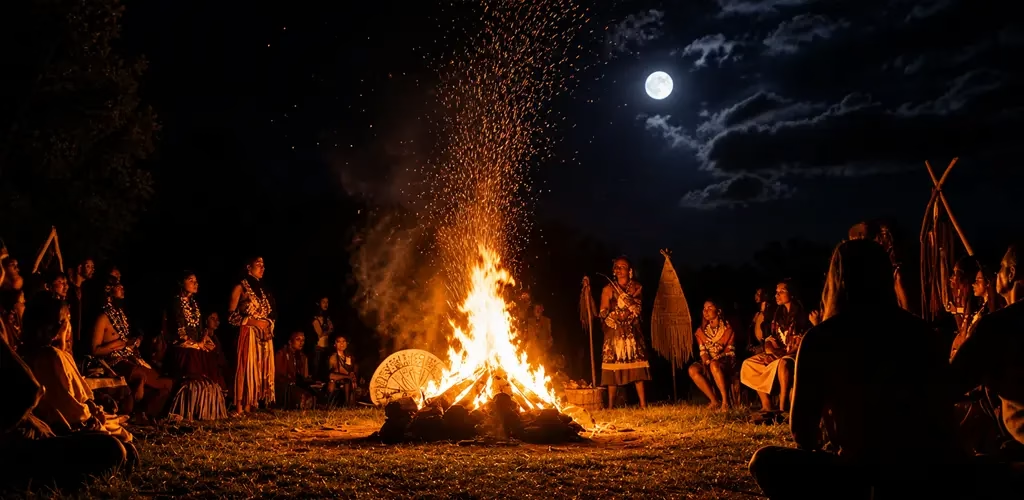
Sangpangtu is a communal bonfire gathering where people sit together, eat, drink, and celebrate life. Women serve rice, beer and meat, while songs fill the night air. The fire becomes a centre of warmth, both physical and emotional.
Elders sometimes read omens during these gatherings, quietly observing signs that might indicate what the coming season holds. It is a rare blend of celebration and reflection.
Echoes of a Warrior Past
Moatsu is also a stage where history comes alive through movement.
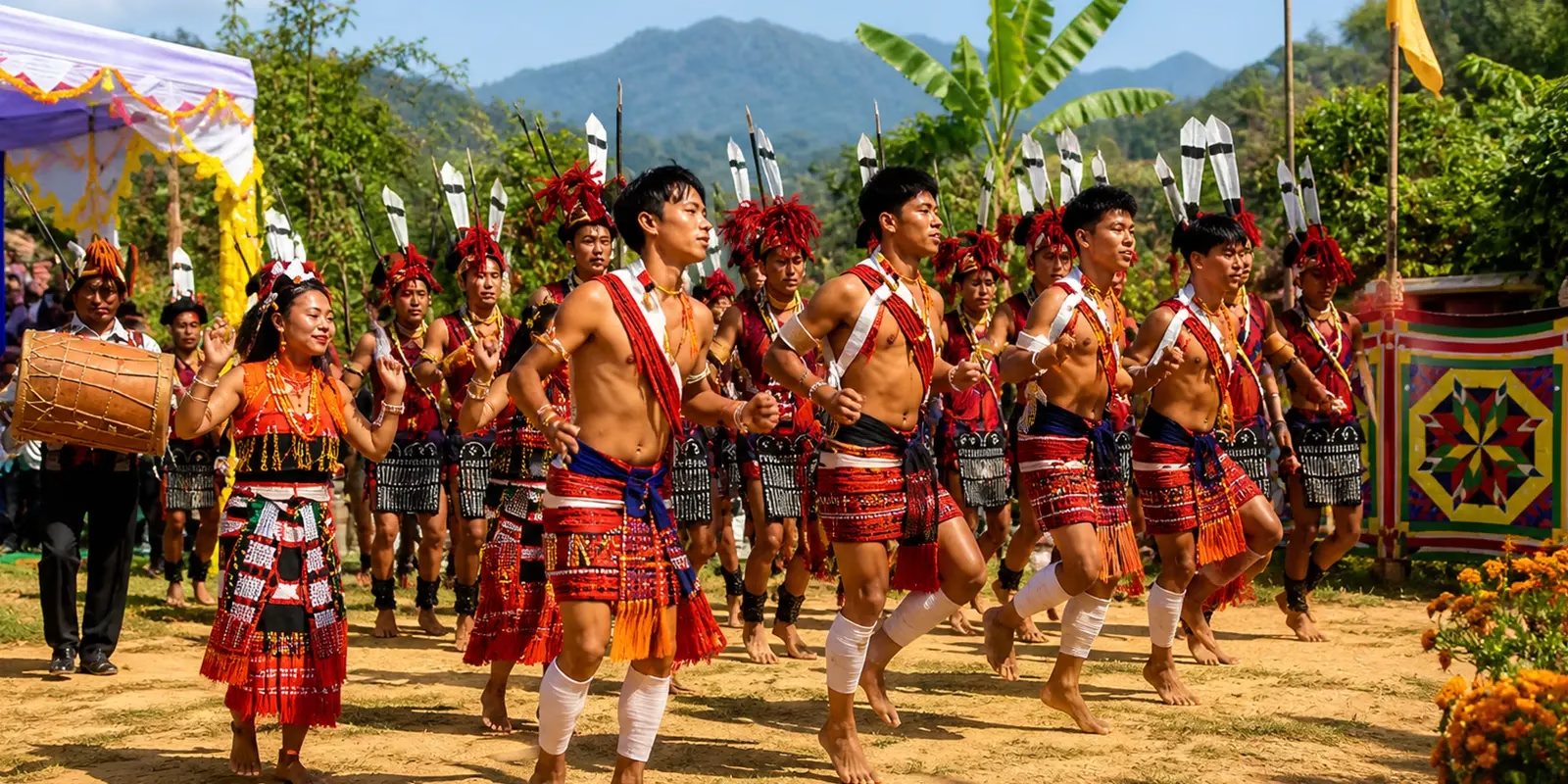
Men perform warrior dances with spears and daos, moving in powerful, rhythmic patterns that echo the tribe’s past. These dances are not performances for an audience. They are acts of remembrance.
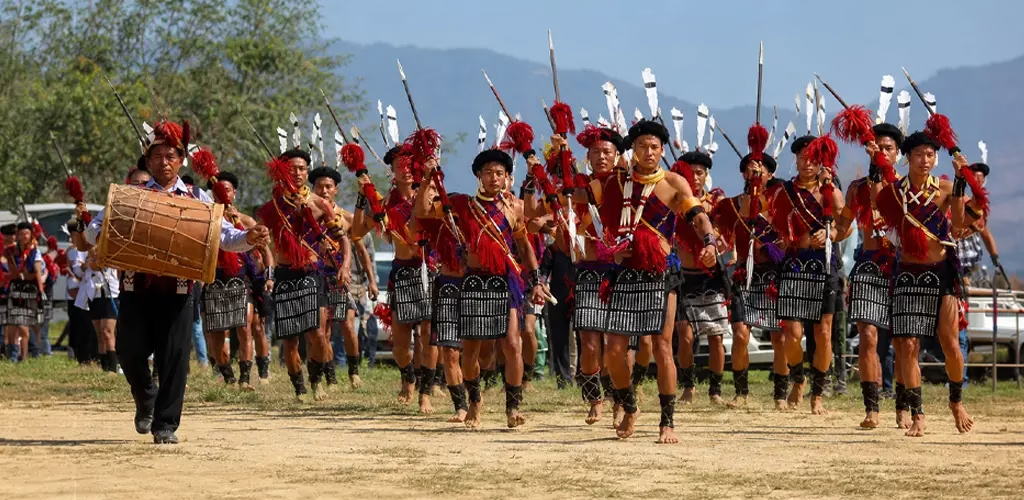
Women join in with graceful group dances and songs that speak of love, land, and longing. Together, these performances keep memory alive in a culture where much is passed down orally.
Games, Gifts, and Growing Bonds
Beyond rituals and dances, Moatsu is filled with moments of play. Traditional games like tug-of-war and spinning tops bring friendly competition into the celebration. Young men and women exchange small gifts, quietly building new relationships.
Food plays a central role. Roast meat, sticky rice, and local delicacies are shared across households. No one celebrates alone.
Stories That Live Without Paper
The Ao Naga culture is rooted in oral tradition. Around fires and during festivals, stories are told and retold. Tales of ancestors emerging from stones, of spirits like Aonglemla encountered in forests, and of a creator figure known as Lichaba shape the worldview of the community.
Moatsu becomes one of the spaces where these stories are not just told, but felt.
A Festival Between Past and Present
Today, Moatsu carries both tradition and change. Christianity has influenced certain practices, and some older rituals have faded. Yet the core remains untouched. It is still about gratitude to the land, unity within the community, and hope for what is to come.
In a fast-changing world, Moatsu stands as a reminder that celebration does not always come from abundance. Sometimes, it comes from effort, from shared struggle, and from the simple act of being together!