Binsar Wildlife Sanctuary: The Forest That Hides More Than It Shows
There are places you visit for views. And then, there are places like Binsar Wildlife Sanctuary, where it is the experience that counts.
At first, it feels like just another quiet Himalayan forest. But as you stay a little longer and walk a little deeper, you realise Binsar is layered with stories that most travellers hardly notice because they are so busy trying to explore the popular.
Binsar Wildlife Sanctuary is an ecosystem quietly hidden in the Himalayas that holds value one cannot fathom without experiencing it completely.
A Forest Built on Silence and Memory
Binsar was not always a sanctuary. Long before it became protected in 1988 to save its disappearing oak forests , it was a royal retreat. The Chand kings chose this exact ridge as their summer capital centuries ago. Later, the British followed. They built estates deep inside the forest, some of which still exist, hidden between trees like forgotten chapters.
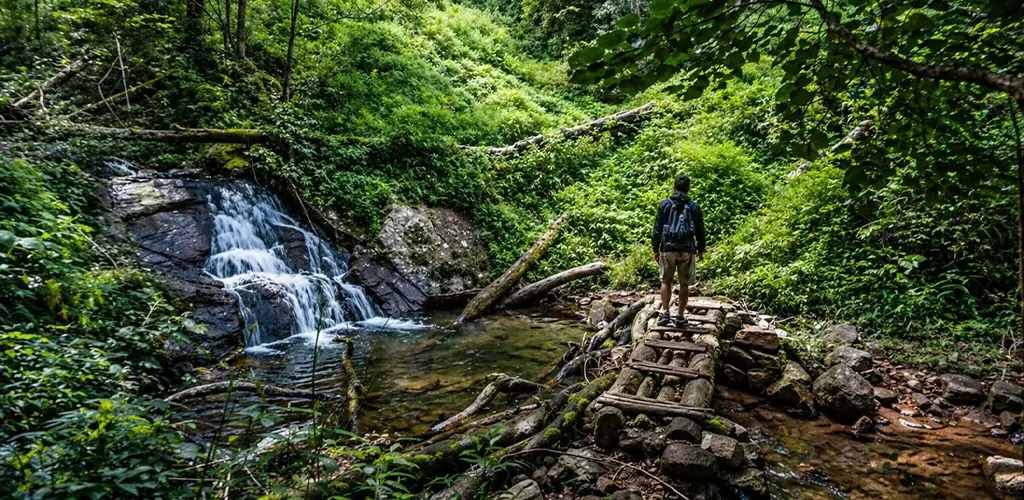
But what makes this place unusual is not its history but how quietly that history sits here. With nothing loud on the surface, one can only feel that there is something that has always existed beneath the visible.
The View That Isn’t Just a View
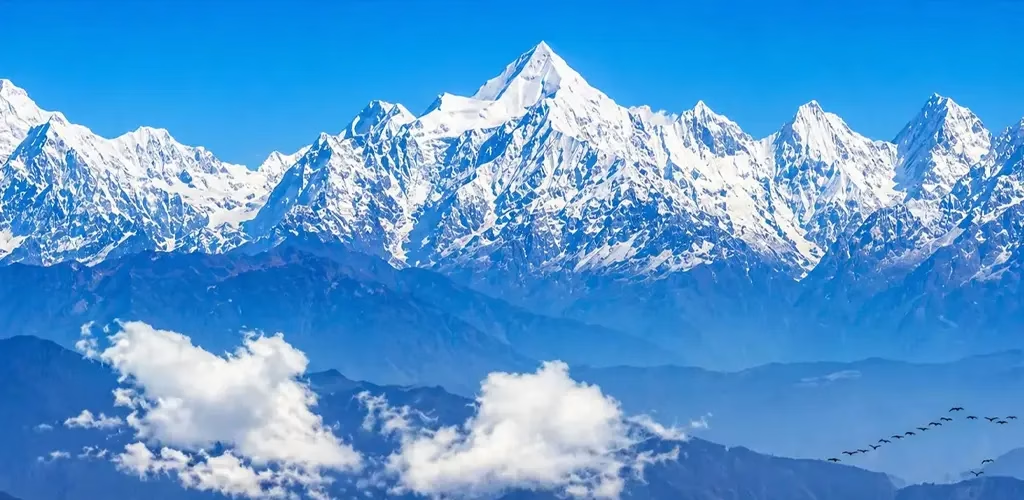
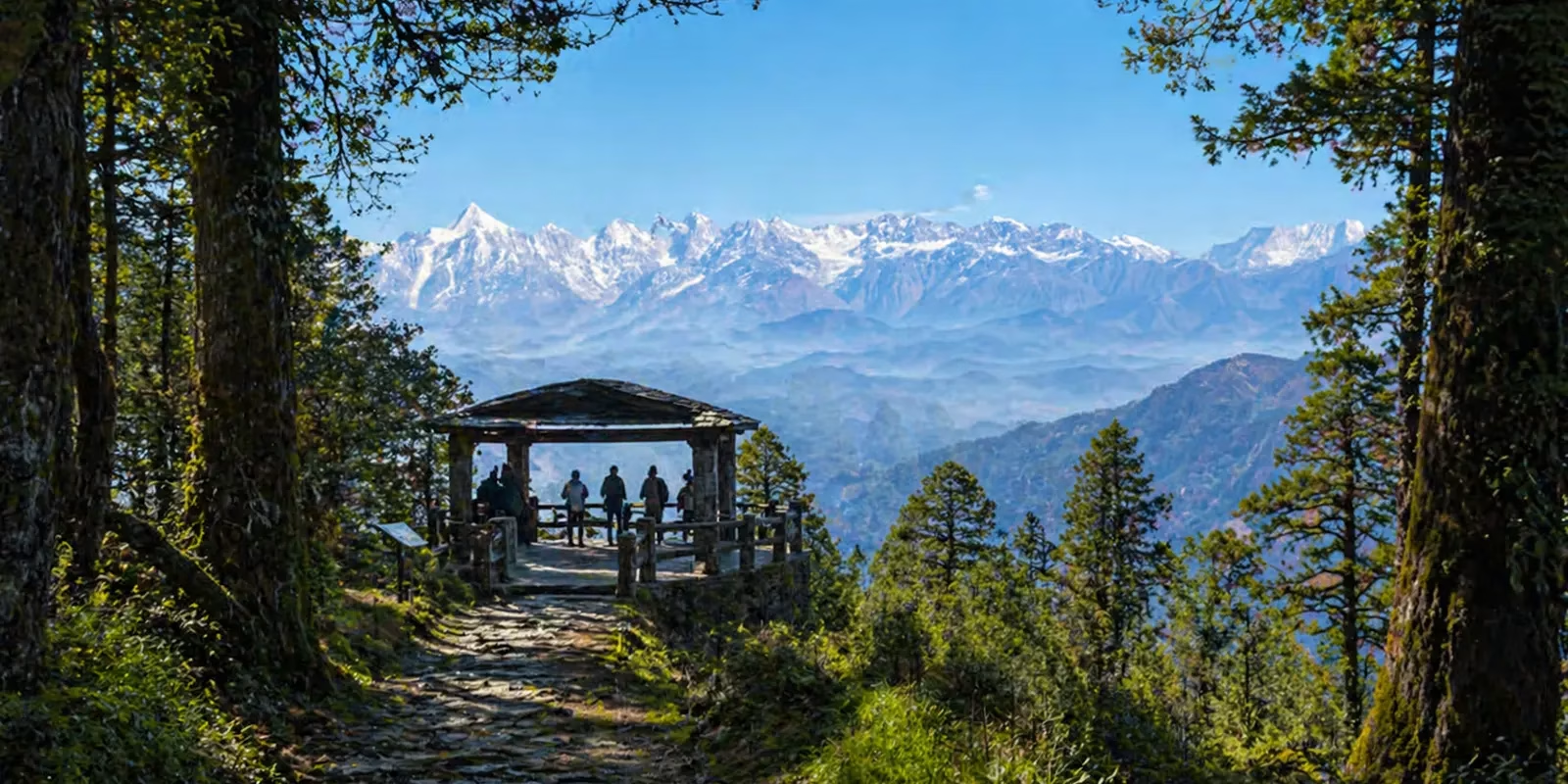
When people talk about Binsar, they often talk about Zero Point. And obviously, on a clear morning, you can see peaks like Nanda Devi, Trishul, Kedarnath, and Panchachuli stretching across the horizon. But what people often miss is how beautifully an entire ecosystem lies before their eyes while they look out for the world.
Dense forests, rolling ridges, and mist moving slowly between valleys are what add to the beauty of the views of the Himalayas. Binsar is one of the rare places where the backdrop looks exceptionally remarkable, while the view would itself seem a little underwhelming.
The Mythical Geography of Binsar
Locals will tell you something stranger: Binsar is not just a forest but a sacred map.
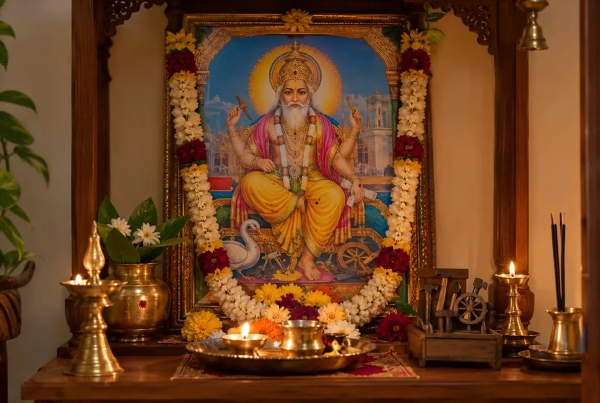
At its centre is the Bineshwar Mahadev temple, associated with Lord Shiva. Around it, exactly 14 kilometres in each direction, are other temples forming a kind of mystical cross. People believe this space holds a certain energy. Some even say it can influence rainfall.
Then there are the stories of the Saptarishis meditating here, Dana Golu Devta appearing as a white horse to guide lost travellers, and unseen spirits guarding the forest. Whether they are believable or not, the silence and a sense of mystery here add to the possibility.
Wildlife You Rarely See But Always Feel
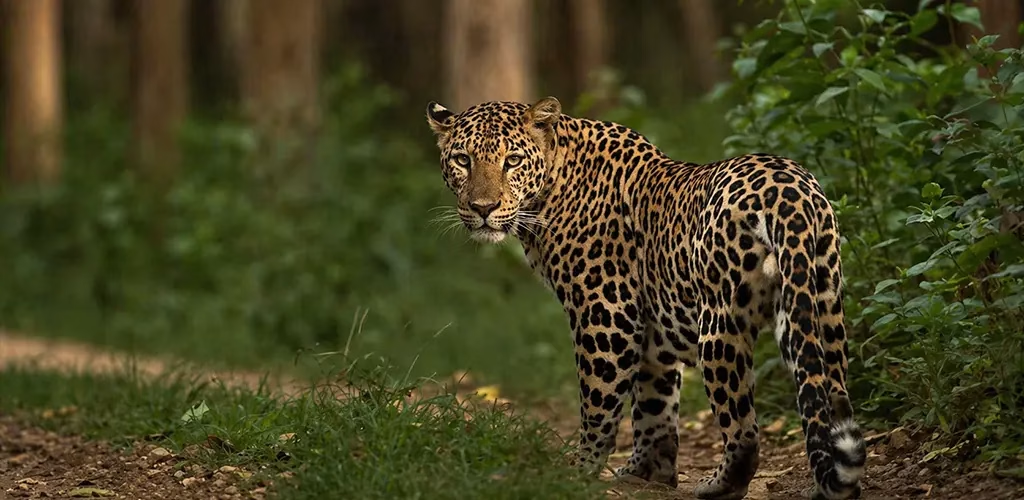
Binsar is not about dramatic wildlife sightings. It is home to leopards, barking deer, goral, and even rare species like the red giant flying squirrel. With over 200 bird species, mornings here feel like a living orchestra. But nothing is obvious. Every wildlife sighting needs patience.
A Sky Few People Talk About
At night, Binsar becomes something else entirely. Because there is almost no light pollution, the sky opens up. The Milky Way becomes visible, the stars feel closer, and the forest goes completely silent. While it is not marketed like Ladakh, the stargazing here feels as real and interesting.
How Binsar Hits Different
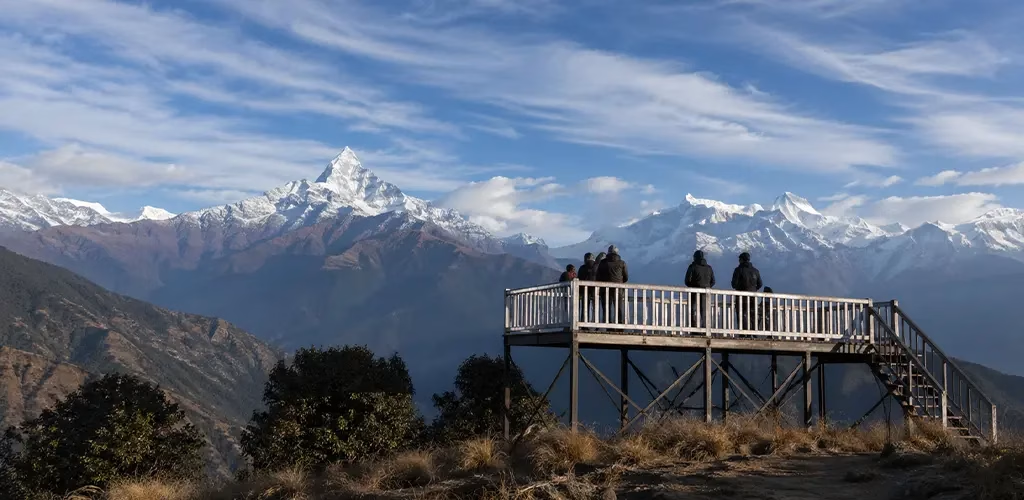
Binsar is not a place of highlights – it is a place of many layers.
The deeper you go, the less it feels like a destination and more like a living space where history, mythology, and nature quietly overlap. And if you rush through it, you will leave thinking it was just another forest. But if you stay long enough, it starts revealing things most places never do.