Kharchi Puja: The Festival That Cleanses Mother Earth
Most festivals in India are celebrated to honour gods, welcome a new season or mark an event. But in Tripura, there is a festival centred around the Earth.
Kharchi Puja is a centuries-old tradition, believed to celebrate the purification of Mother Earth after the completion of her menstrual cycle.
But what really is this festival and how is it celebrated?
The Meaning Behind Kharchi Puja
The story begins with the meaning of the festival’s name.
In the local Tripuri language, Khya means earth and Archi means cleaning or purifying. So together, Kharchi Puja means “cleaning the earth.”
The festival usually takes place in July. But the timing is not random. It takes place soon after Ambubachi, a sacred period when, according to local belief, Mother Earth goes through her annual menstrual cycle. During Ambubachi, farming activities such as ploughing the fields and digging the soil are avoided out of respect for the Earth.
Once this period ends, Kharchi Puja begins. The festival symbolises the ritual cleansing of Mother Earth before life returns to its usual rhythm. Through prayers and rituals, people celebrate the belief that the Earth has been purified and is ready to begin a new cycle.
But the festival is not only about the Earth. At its heart are fourteen mysterious deities whose story is just as fascinating.
The Fourteen Gods of Kharchi Puja
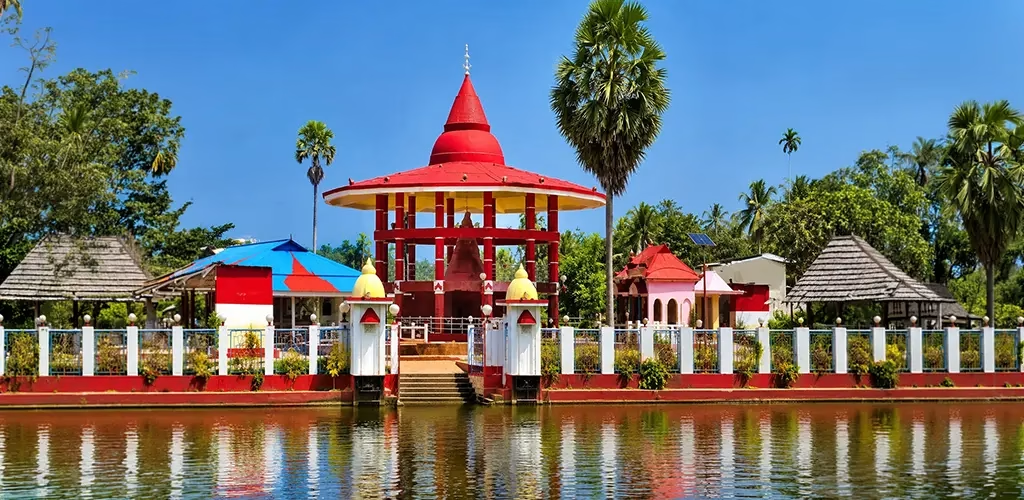
At the heart of Kharchi Puja are the Chaturdasha Devta, also known as the Fourteen Gods, worshipped in a temple at Old Agartala.
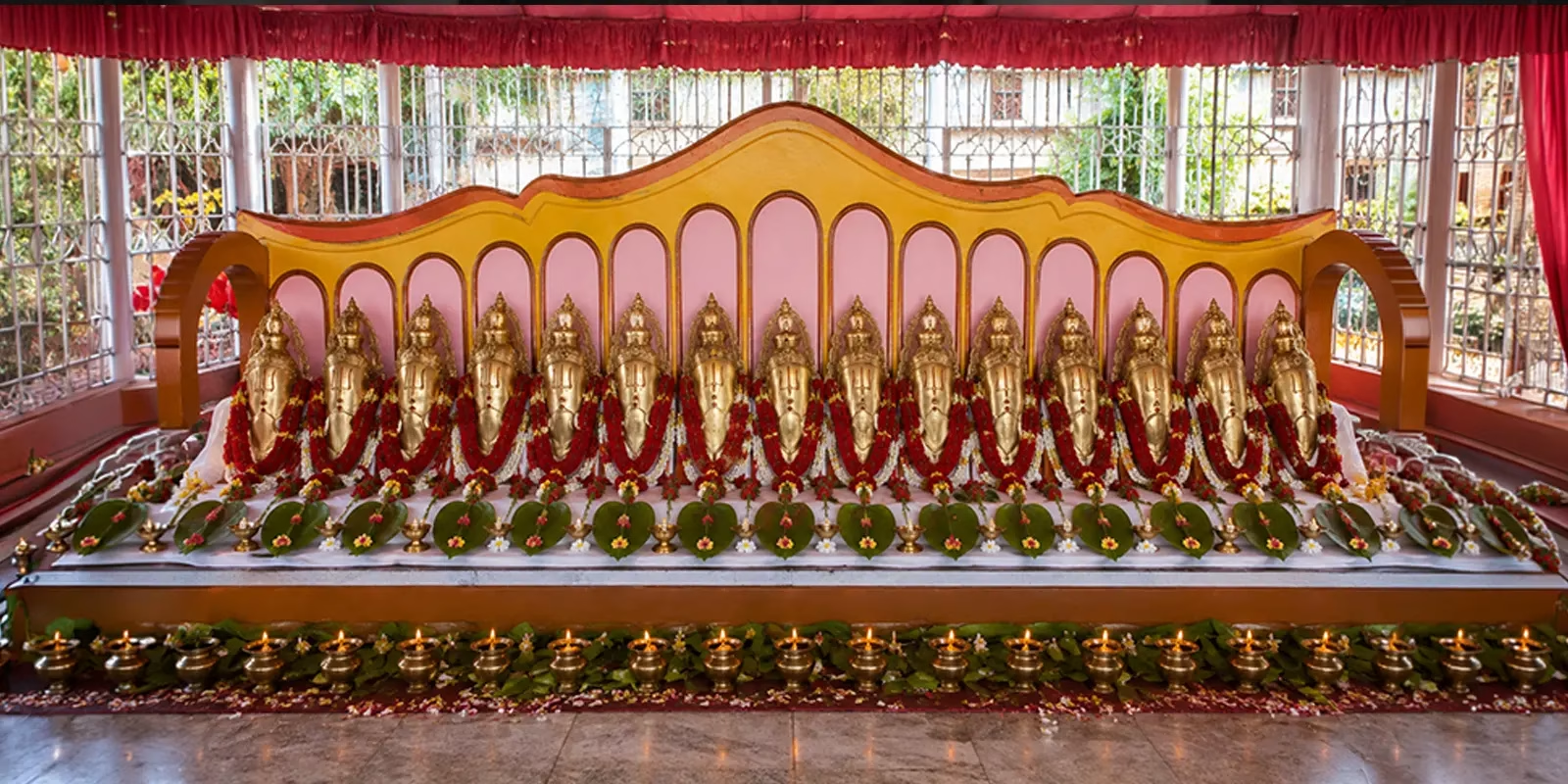
Anyone entering the temple for the first time is usually surprised. Instead of the tall, full-bodied statues found in most Indian temples, they find fourteen beautifully crafted metal heads.
Why only the heads?
According to local tradition, a prince of Tripuraha had to flee his kingdom after losing a war to his brother. As he escaped through the hills, he wanted to carry the kingdom’s guardian deities with him. But the full statues were way too heavy to carry, so the prince only carried their heads.
Ever since that day, the people of Tripura have worshipped just the heads of these fourteen gods. The fourteen deities include Hindu gods such as Shiva, Durga, and Vishnu, along with ancient tribal deities believed to protect forests, rivers, and the land.
The Holy Bath That Begins Kharchi Puja
Now, how does the actual festival start? The first day of Kharchi Puja begins with one of its most important ceremonies.
The temple priest, who holds the royal title Chantai, gently carries the fourteen metal heads out of the temple. A massive crowd follows him as he walks down to the nearby Saidra River. With thousands of people watching and traditional drums beating in the background, the priest bathes the fourteen gods in the river water. This holy bath is the official declaration that the cleansing period is complete.
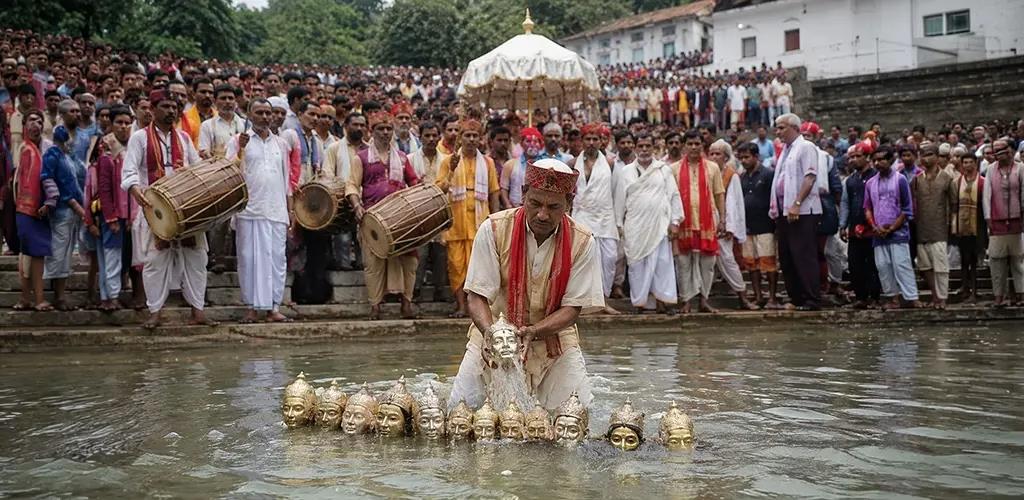
After the ceremony, the deities are taken back to the temple, decorated with flowers, and offered sweets and prayers.
But while prayers continue inside the temple, a completely different celebration begins outside.
How Kharchi Puja Brings Tripura Together
A giant fair, or mela, is set up around the temple grounds. The festival grounds fill with the smell of traditional Tripuri food, the sound of folk music echoing through the crowd, and stalls selling bamboo handicrafts and handmade jewellery. Traditional dances bring even more life to the celebrations.
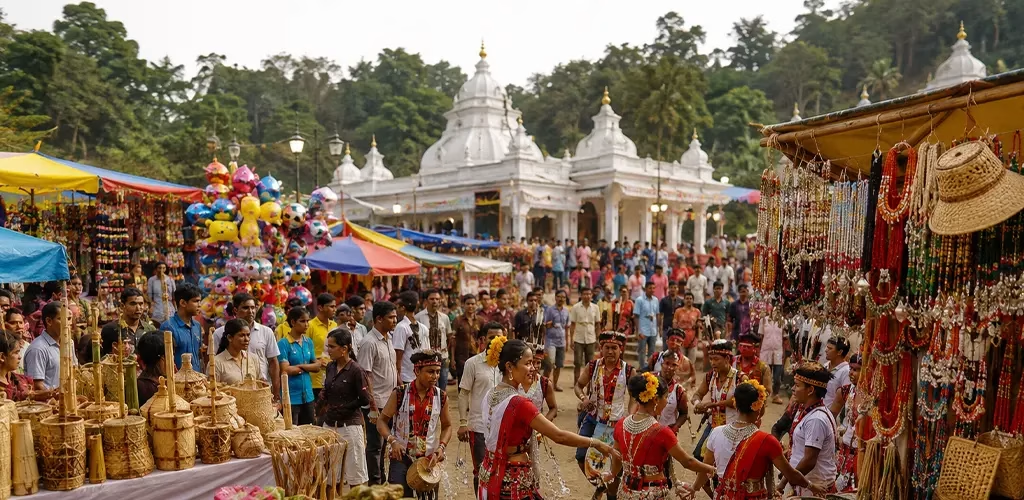
What makes Kharchi Puja even more beautiful is that it erases all boundaries.
Tripura is home to many different indigenous tribal communities as well as non-tribal people. For the rest of the year, these groups live their separate lives. But during Kharchi Puja, everyone sits, eats, and dances together.
The Message That Lives Beyond the Festival
As the seventh day comes to an end, the fourteen gods return to their temple, farmers return to their fields, and life slowly settles back into its usual routine.
But the message of Kharchi Puja goes far beyond the festival.
For centuries, the people of Tripura have believed that if we expect the Earth to keep giving, we must also give it time to recover. Today, perhaps the question is no longer why they follow this tradition, but why the rest of us don’t.