The Jarawa Tribe: Where Nature Becomes the Doctor
Have you ever wondered what it would be like to visit a pharmacy where you get no pills, no bottles, no medical bills – just medicines freshly plucked from the trees?
This is exactly what the Jarwa tribe does.
They have lived in the dense jungle of the Andamans for thousands of years, yet the tribe has remained incredibly healthy. And that raises an essential conundrum: how do they treat serious illnesses or wounds when they have no access to even a single modern drug?
Paintings Or The Shield of The Jarawa Tribe?
If you walk into a Jarawa camp, you would feel like you stepped into a gallery of walking human paintings.
Every person you see is covered from head to toe in a beautiful, chalky white clay called Oado. While it looks like decoration, it is actually their version of bug spray. This drew the attention of Swedish researchers, who tested the clay and found that it attracted mosquitoes and horseflies to it 10 times less than bare skin.
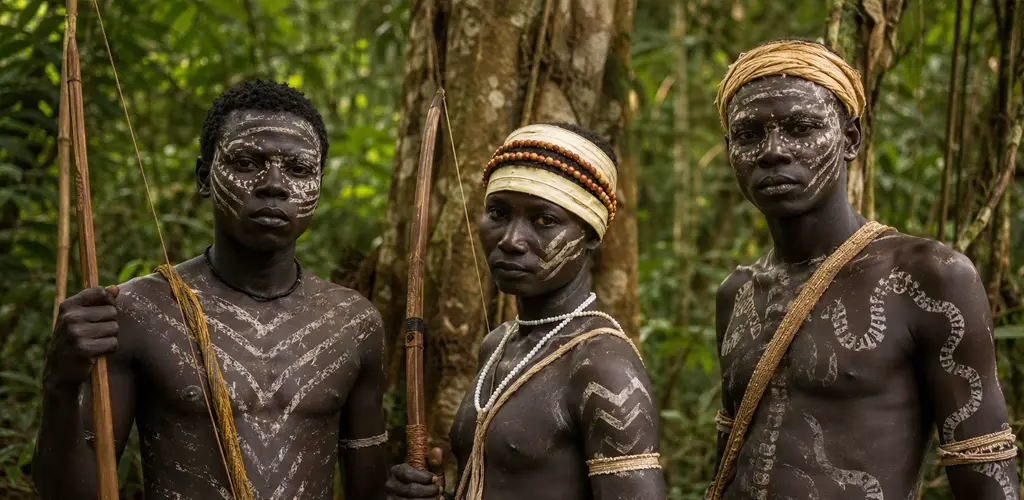
The Jarawa tribe also uses this same clay for their celebrations. When different nomadic groups meet to dance, they paint themselves with oado, using their fingers or small sticks to draw snake and zig-zag designs directly onto their skin.
Once you see how they deal with insects, it’s hard not to wonder how they manage their personal hygiene and other daily needs.
The Jarawa’s Solution for Hygiene
The Jarawa tribe lives by a set of rules given to them by nature, including what they eat and how they live. Even when it comes to deeply personal health and hygiene, they do not need modern factory products.
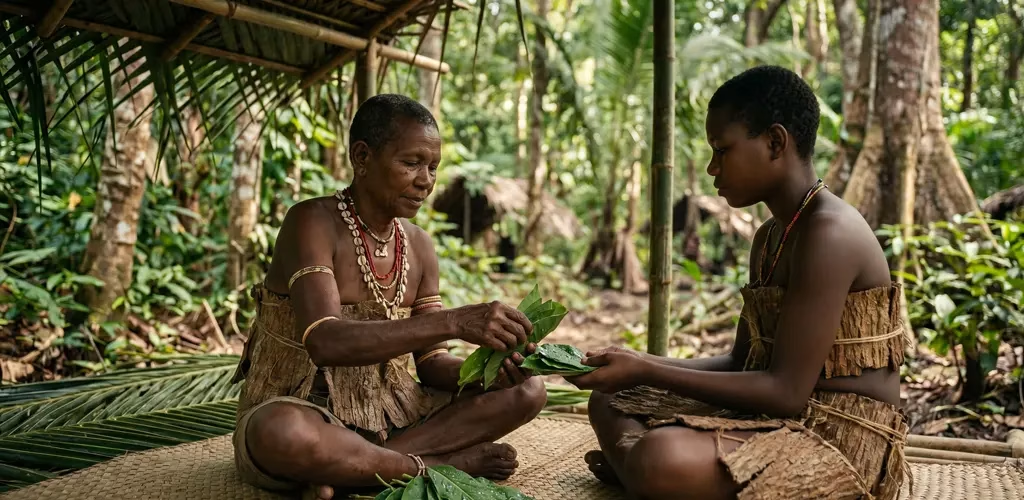
One of the best examples of this comes during menstruation. Rather than using sanitary pads, the Jarawa women use a jungle plant called Tidba for personal hygiene and cleansing, turning to the forest instead of modern products.
The Jarawa tribe’s reliance on plants goes far beyond daily hygiene. The same forest that helps them stay clean also helps them heal.
How Does the Jarawa Tribe Heal Without Medical Treatment?
Imagine knowing hundreds of plants and animals well enough to survive without professional medical help. That’s exactly what the Jarawa tribe does.
The Jarawa tribe has a deep understanding of more than 150 plants and over 350 animal species, carrying generations of medicinal knowledge in their memories rather than in books.
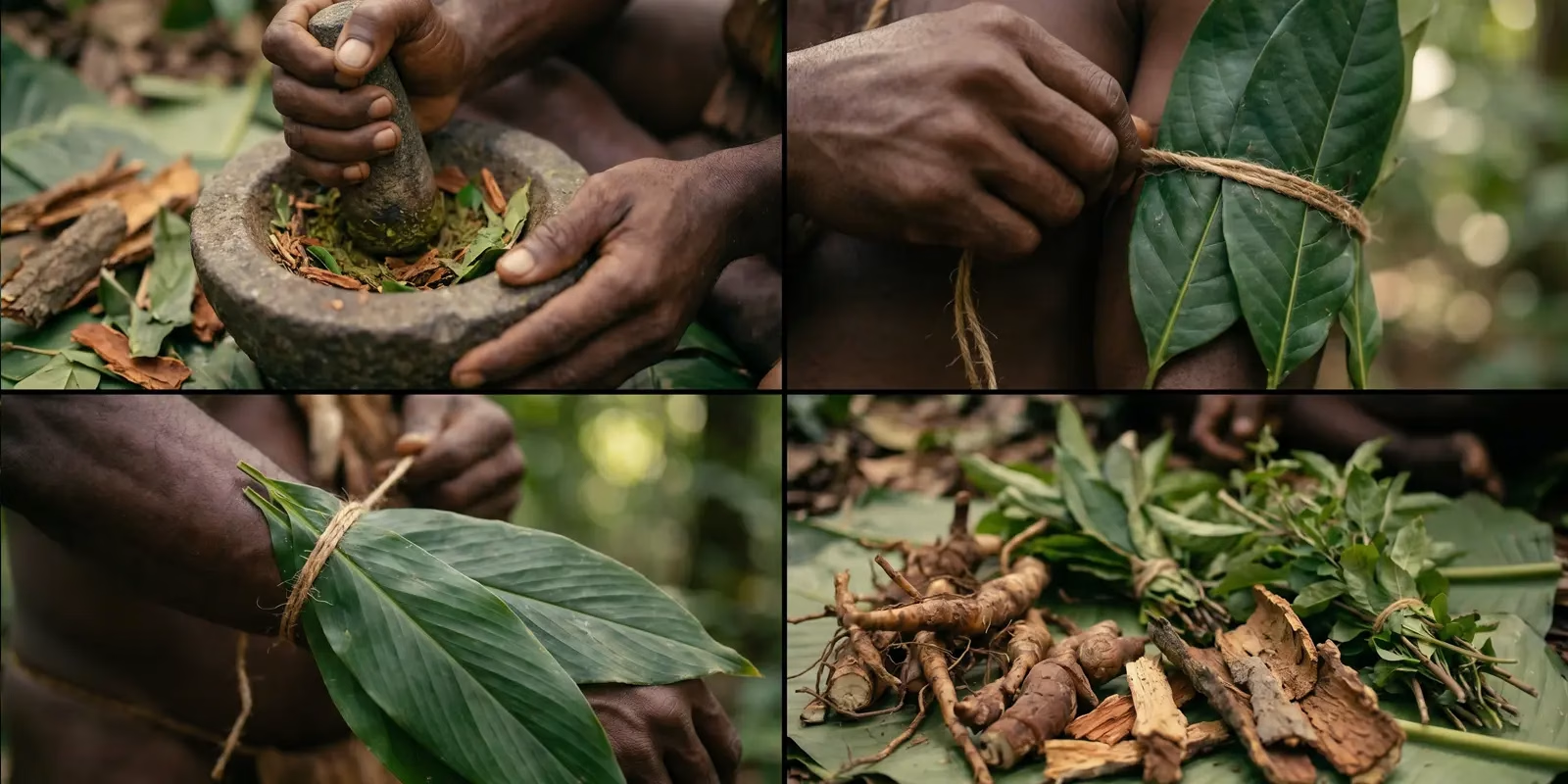
If someone in the tribe comes down with a bad cough or a burning fever, the Jarawa know exactly what to look for. They gather the bark and leaves of a plant called Oro, which acts as their natural medicine for fever.
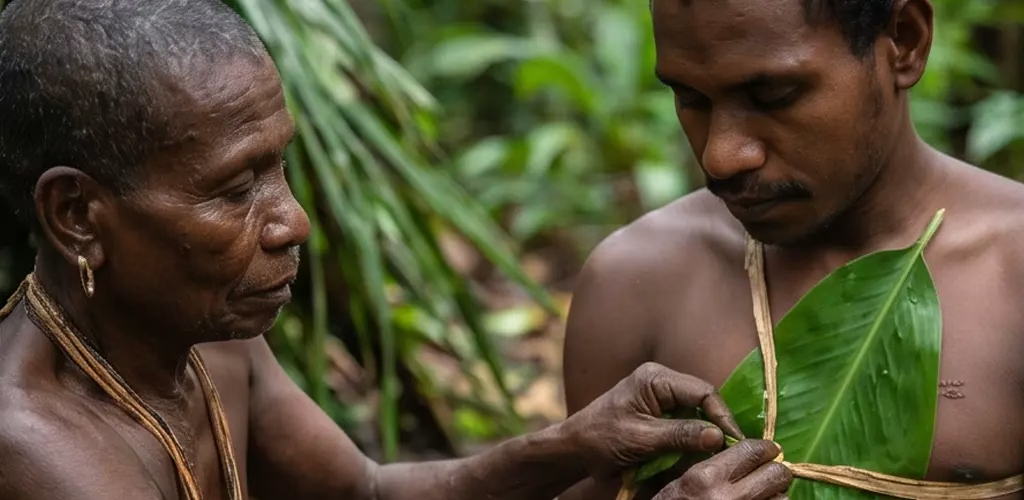
If a hunter from the Jarawa tribe gets a deep cut or a painful wound while tracking wild animals, they turn to a plant called Uiyaw. They tie the leaves tightly across the chest and apply the fresh plant juice directly onto the wounds to speed up the healing process. When you look at how easily the Jarawa tribe cure themselves, it forces us to compare their strength against our modern way of living.
But this incredible health system was suddenly put to the ultimate test when a threat arrived that the jungle could not cure.
The Cost Of A Contact
For centuries, this perfect system worked beautifully because the Jarawa tribe had no contact with the outside world.
But between 1996 and 1998, their long isolation ended as they made contact with the outside world. Along with that contact came an unwanted visitor: measles. Because the Jarawa tribe had been isolated for so long, they had absolutely no natural immunity against it.

At this critical moment, Dr Ratan Chandra Kar stepped in. Rather than dismissing the traditional healing practices of the Jarawa tribe, he earned their trust and integrated them with modern medicine, helping the tribe survive the outbreak.
But the outside world left behind scars that no medicine could cure.
Who Really Is Advanced?
We have built hospitals, pharmacies, and countless medicines in the search for better health. Yet deep inside the forests of the Andaman Islands, the Jarawa tribe have lived for generations by trusting the knowledge of nature.
If the solutions to many of our biggest struggles have been growing quietly in the forest all along, it leaves us with one final question: are we really the ones who are advanced, or have we simply forgotten how to learn from nature?