The Great Escape: How India’s Hill Stations Became a Summer Ritual
Every summer, as the plains begin to burn, a ritualistic migration begins. Families pack bags, trains fill up, and roads wind endlessly upward. But this seasonal escape to the hills is not just about weather. It is a habit shaped over centuries.
What we now call a vacation was once a necessity created during the British Raj. And even today, that legacy quietly continues in places like Shimla, Ooty, Darjeeling, and Mussoorie.
When the British Moved an Entire Government
In the 19th century, the British saw India’s plains as unbearable. Heat, disease, and unfamiliar conditions made them seek refuge in the mountains. What began as small sanatoriums soon turned into fully functional towns.
By 1864, Shimla became the summer capital of British India. And this was not symbolic. The entire administration moved there for months. Officials, families, clerks, and even paperwork travelled uphill in a massive logistical operation.
Hill stations were not just retreats. They were temporary centres of power.
Life in the Hills: A Replica of England
Once settled, the British recreated a version of home.
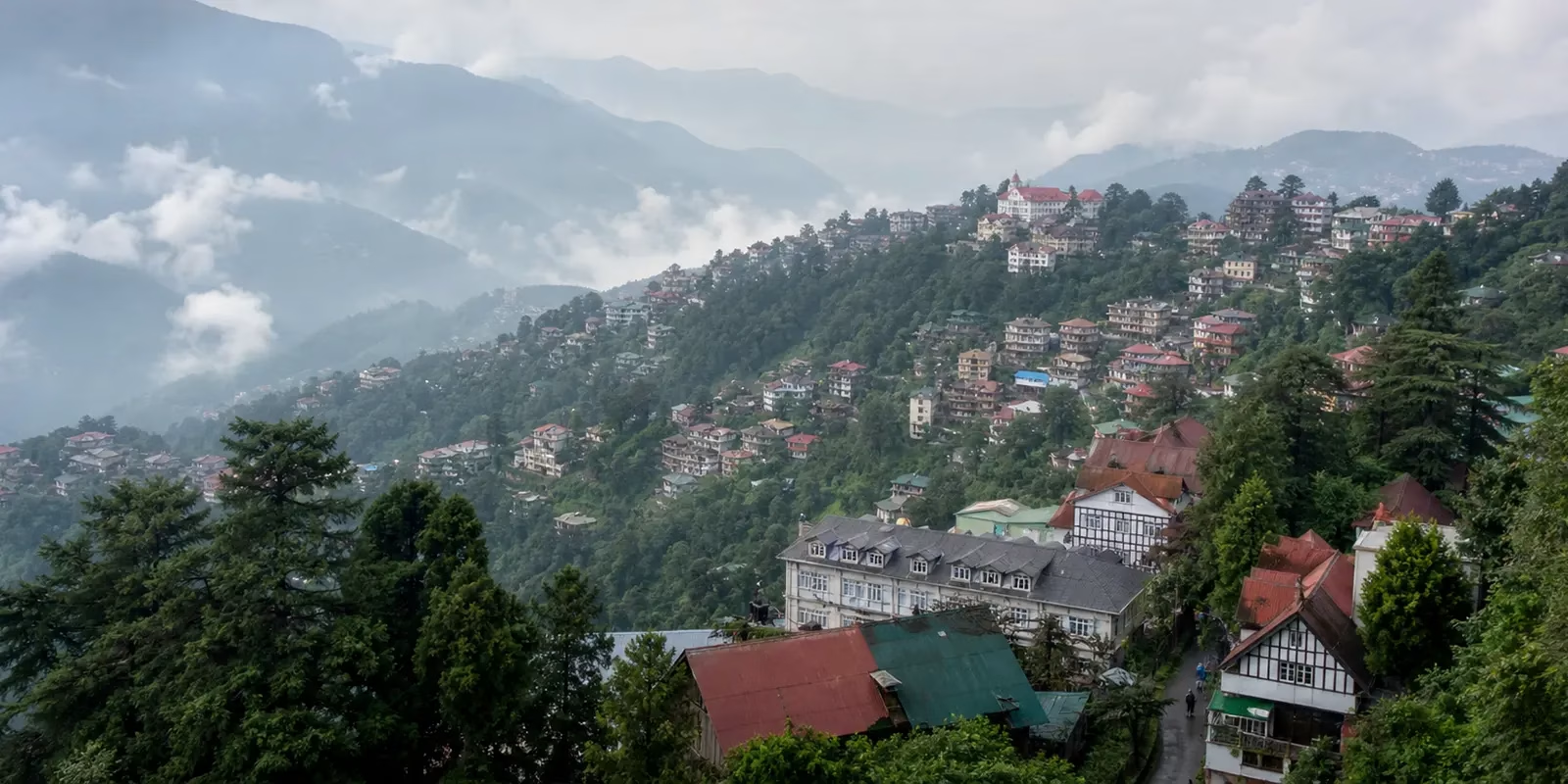
Mall roads became social corridors. Evenings were filled with tea parties, dances, theatre, and gossip. Churches, clubs, and cottages followed European styles. These towns were designed to feel familiar, even if they stood in the middle of the Himalayas or the Nilgiris.
For a long time, these spaces were exclusive. Indians were largely excluded, and the hills became carefully controlled environments meant to preserve a certain lifestyle. But beneath this polished surface, another story existed.
The Land Was Never Empty
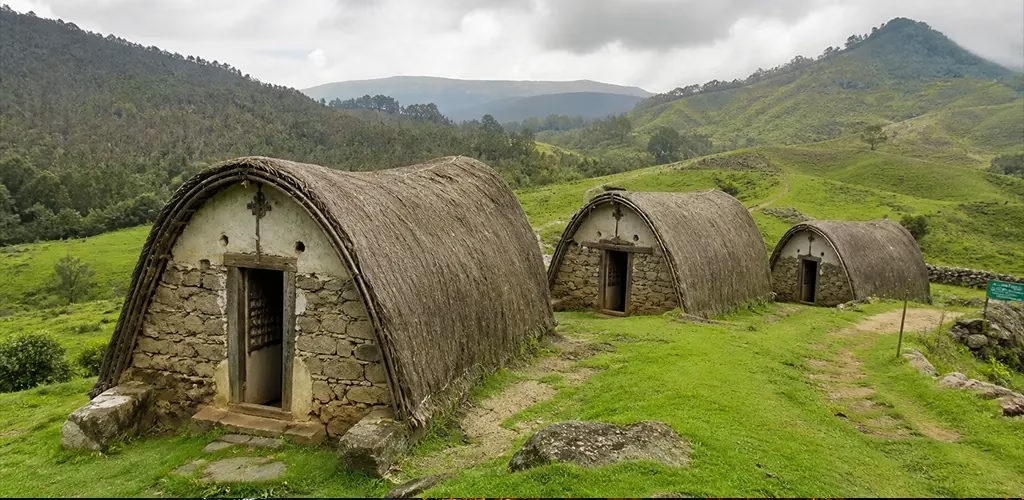
Before colonial buildings appeared, these hill stations were home to indigenous communities. In the Nilgiris, tribes like the Toda tribe lived with deep ecological knowledge, practising unique rituals and crafts. In the eastern Himalayas around Darjeeling, the Lepcha people and Bhutia communities shaped the region’s cultural identity. Across Uttarakhand and Himachal, Pahari traditions blended nature worship with local deities and seasonal festivals.
Colonial expansion often overlooked or displaced these cultures. Yet, many traditions survived quietly, continuing alongside the new world imposed on them.
Hidden Stories Behind The Tourist Trails
Even today, hill stations carry layers most visitors never notice.
Some colonial bungalows were built using local techniques adapted to the terrain. Ghost stories in places like Mussoorie often mix British-era tales with older local beliefs. Markets sell crafts that trace back generations, even if their origins are rarely explained.
In places like Shillong, matrilineal Khasi traditions exist alongside colonial churches. In quieter towns like Lansdowne or Pachmarhi, the pace slows down enough to reveal these deeper layers.
The Migration That Never Ended
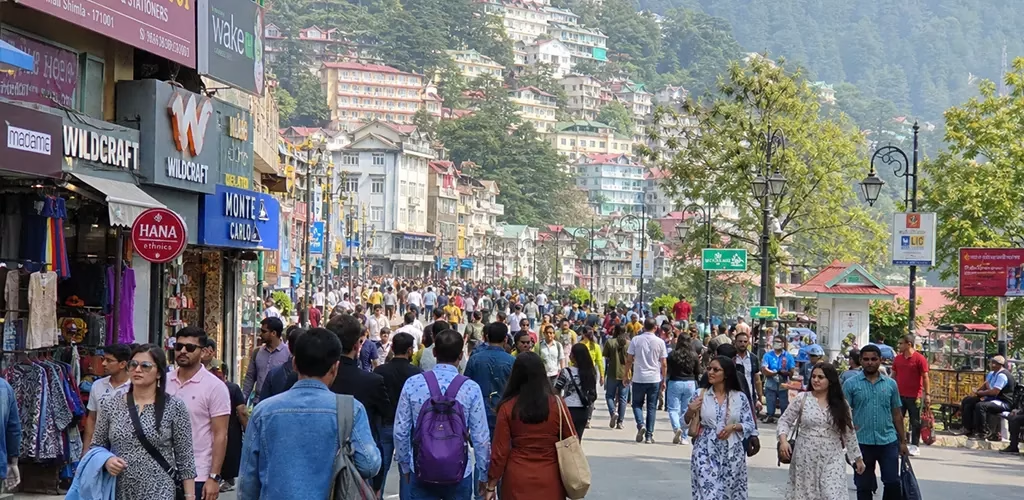
After Independence, hill stations changed hands but not their purpose. Indian families adopted the same migration pattern, turning these towns into popular holiday destinations. Today, summer still brings crowds, traffic, and a rush to escape the heat. But it also brings challenges. Overtourism strains fragile ecosystems. Water shortages, waste, and construction threaten the very landscapes that draw people in.
At the same time, there is a growing effort to reconnect with older, sustainable ways of living, often inspired by indigenous practices.
More Than Just an Escape
Hill stations are not just scenic destinations. They are layered spaces where colonial history meets local resilience. They tell stories of power, adaptation, and survival – of cultures that were overshadowed but not erased, and of landscapes that continue to change, yet hold onto memory.