Ekadanta Sankashti Chaturthi: The Power of Devotion and a Single Tusk
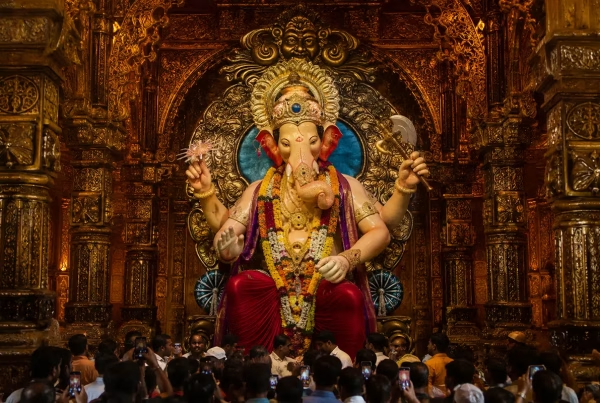
Ekadanta Sankashti Chaturthi is one of the most spiritual days dedicated to Lord Ganesha in his Ekadanta form, the one-tusked remover of obstacles. It falls on the fourth day of the waning moon in the month of Vaishakha.
In 2026, it is observed on May 5, and gains even greater significance as it coincides with a Tuesday, making it Angaraki Sankashti Chaturthi. According to belief, observing this vrat once on an Angaraki day is equal to observing it throughout the year. But why is this festival celebrated, and what are the theories behind everything?
The Meaning Behind Sankashti and Ekadanta
The word Sankashti comes from Sanskrit, meaning the removal of hardships. Devotees observe this day to seek relief from problems, whether related to health, career, relationships, or inner struggles.
The name Ekadanta carries deeper symbolism. The single tusk represents focus, sacrifice, and the ability to overcome ego. It reflects the idea that true strength lies not in perfection, but in discipline and purpose.
Why Does Ganesha Have One Tusk?
The story of Ekadanta is told in many ways, each offering a different lesson.
One of the most popular legends involves Parashurama. When he tried to meet Shiva, Ganesha stopped him as Shiva was resting. In anger, Parashurama attacked with his axe. Ganesha chose not to retaliate and allowed the axe to strike his tusk, out of respect for his father. This act of humility and sacrifice gave him the name Ekadanta.
Another story connects him to the writing of the Mahabharata. When his pen broke while writing the epic for Sage Vyasa, Ganesha broke his own tusk and continued writing without pause. It became a symbol of dedication to knowledge and duty.
The Rituals of the Day
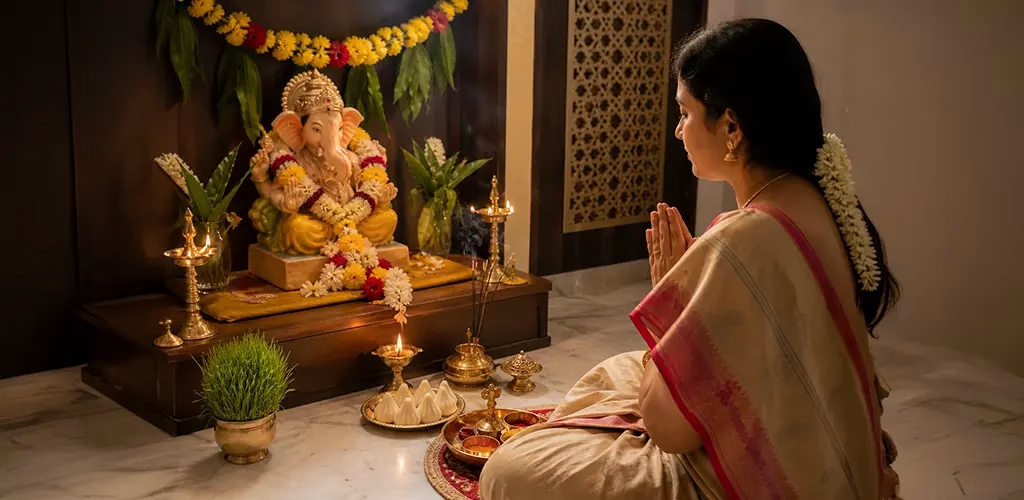
The day begins with a vow and a fast that lasts from sunrise until moonrise. Devotees either observe a strict fast or consume simple satvik foods like fruits and milk.
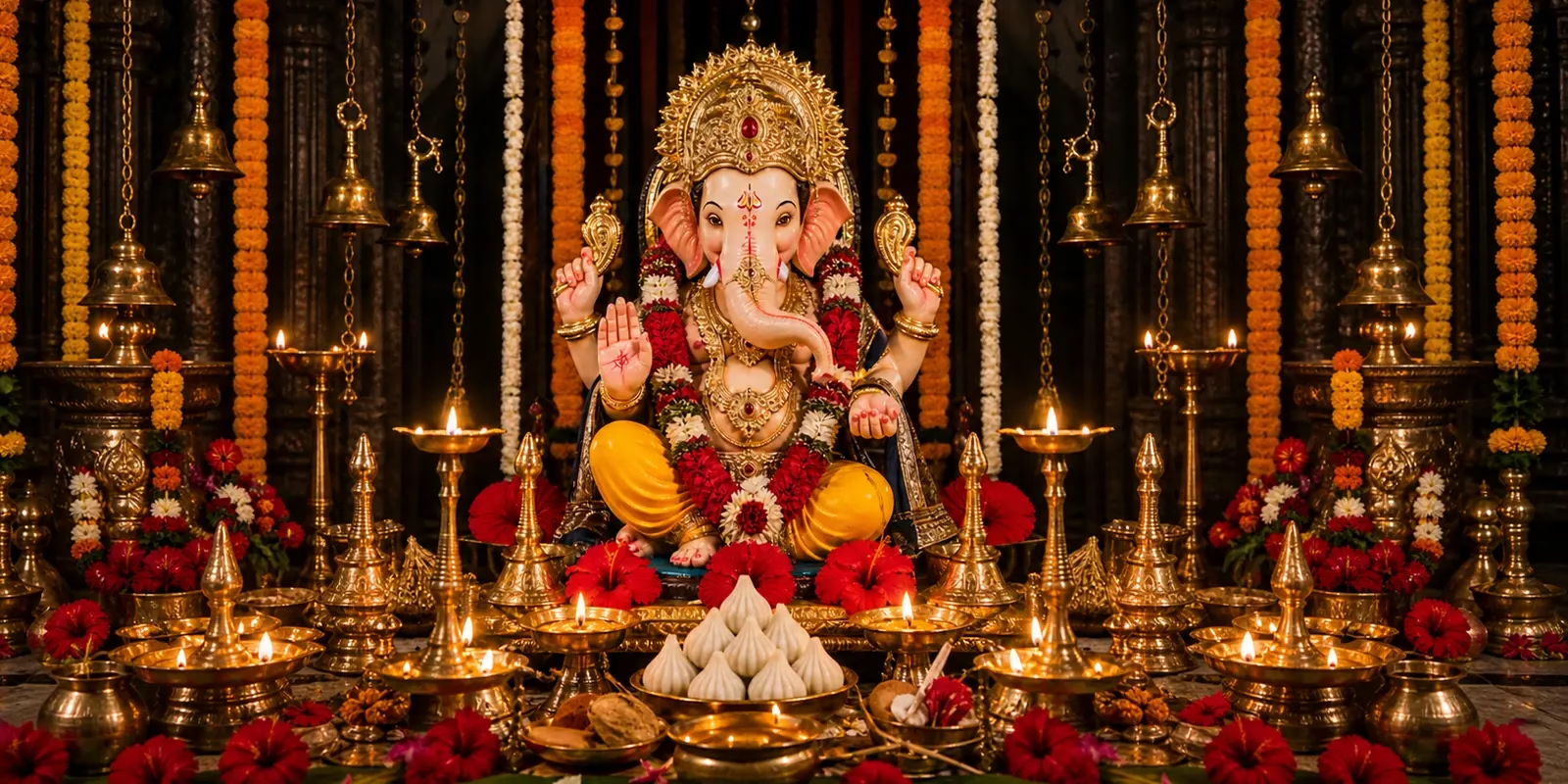
A small altar is prepared with a Ganesha idol, usually placed on a red cloth. Offerings include durva grass, red flowers, modaks, jaggery, and sesame. Lamps are lit, and prayers are chanted.
Mantras like “Om Ekadantaya Namah” and the well-known Vakratunda Mahakaya are recited to seek blessings.
Breaking the Fast Under the Moon
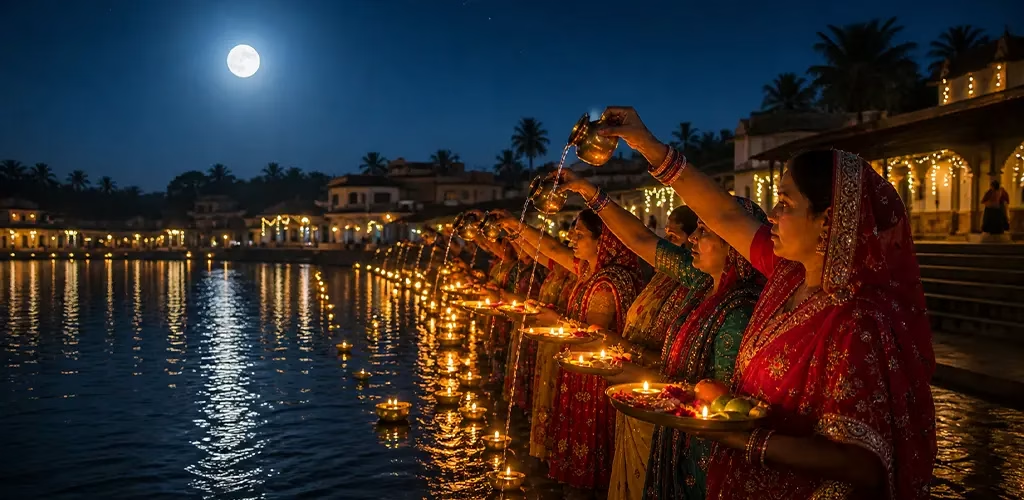
The fast is broken only after sighting the moon. Devotees offer water mixed with milk to the moon while chanting Ganesha’s name. This moment is considered deeply sacred, marking the completion of the vrat.
Afterwards, prasad is consumed, often including sweets like laddus and halwa prepared in ghee.
A Story of Faith and Patience
One of the vrat kathas speaks of a devoted woman whose faith never wavered despite challenges within her family. When misfortune struck, her sincere devotion and kindness eventually brought blessings and restored happiness.
The story highlights a simple idea. Faith, when practised with sincerity, has the power to transform even the most difficult situations.
The Rituals Today
In today’s fast-moving world, Ekadanta Sankashti Chaturthi offers something rare. A pause. A moment of discipline and reflection. It reminds people that obstacles are not just external. They often exist within. And overcoming them requires focus, humility, and belief.