Kajari Teej: A Festival Built on Loss
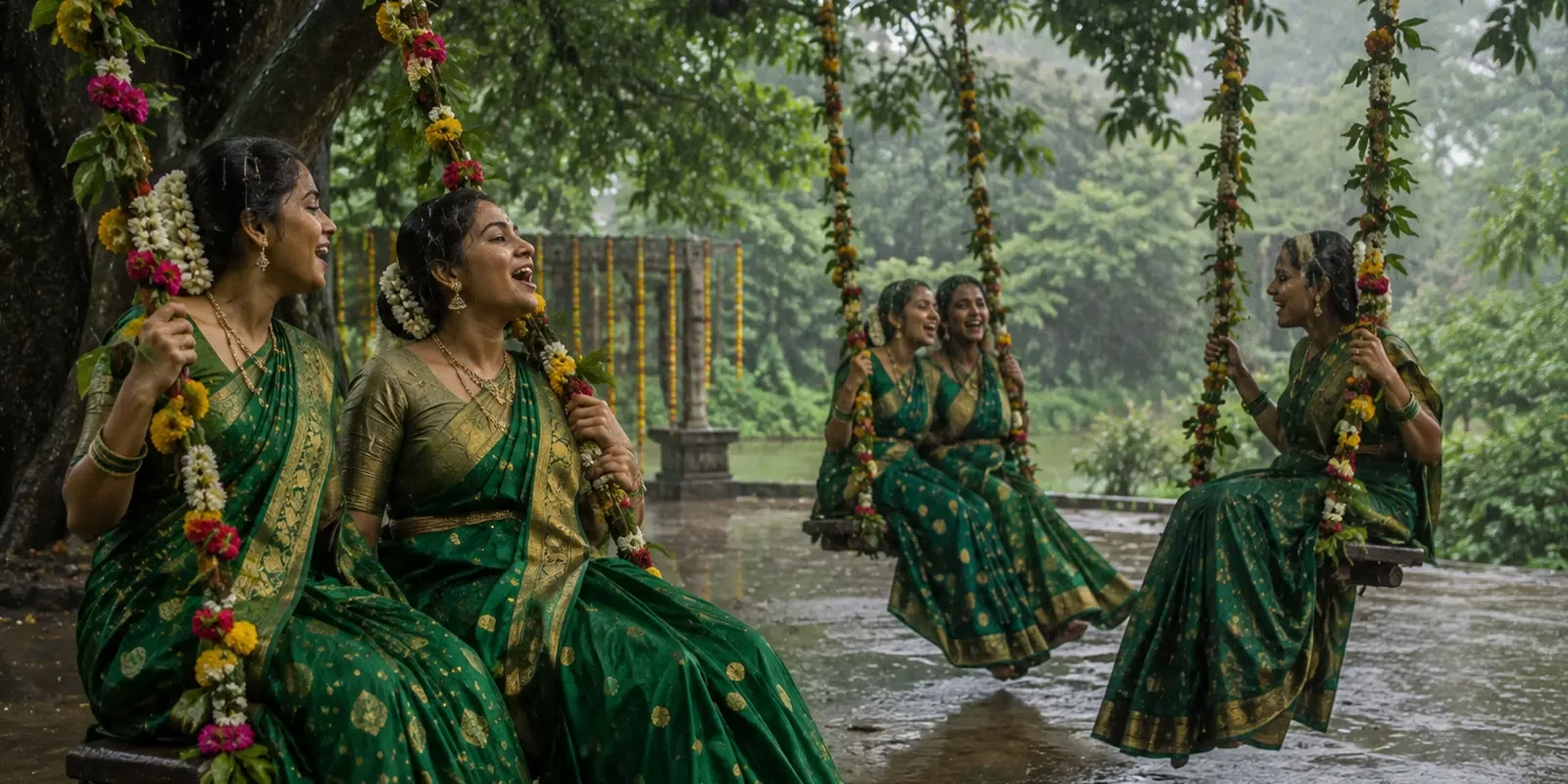
Every monsoon, women in parts of North India dress in green, sing old folk songs, and sit on swings tied under trees to celebrate Kajari Teej.
But hardly anyone ever asks where this tradition really began.
It is celebrated by singing songs, but the festival actually has a grieving story behind it.
The Kingdom Behind the Name
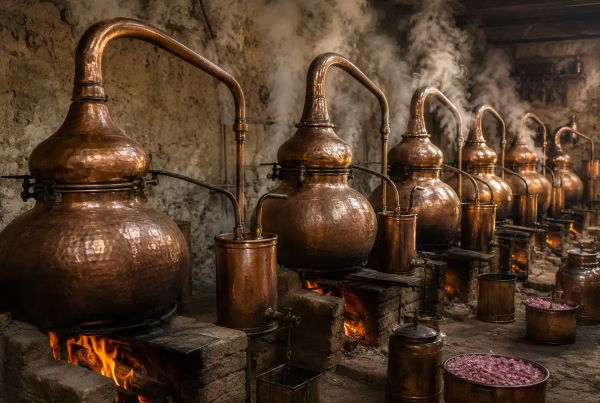
The story starts in a dense forest once called Kajali. A king named Dadurai ruled there, and his land was so admirable that people wrote songs just to describe it. These early songs were happy ones, made simply to praise a beautiful kingdom.
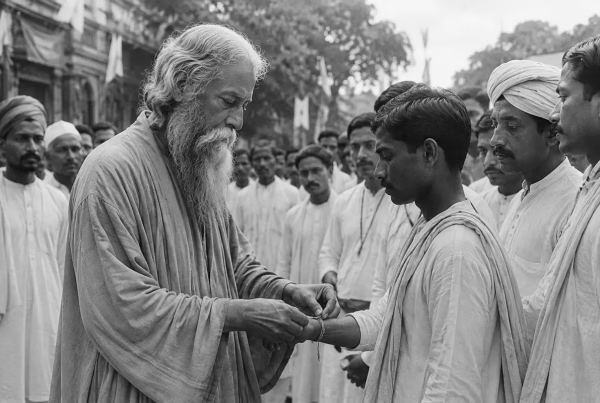
But one day the king died and his queen, Nagamati, chose to end her life on his funeral pyre, following an old and painful custom. The kingdom that once sang with pride suddenly had nothing left to sing about.
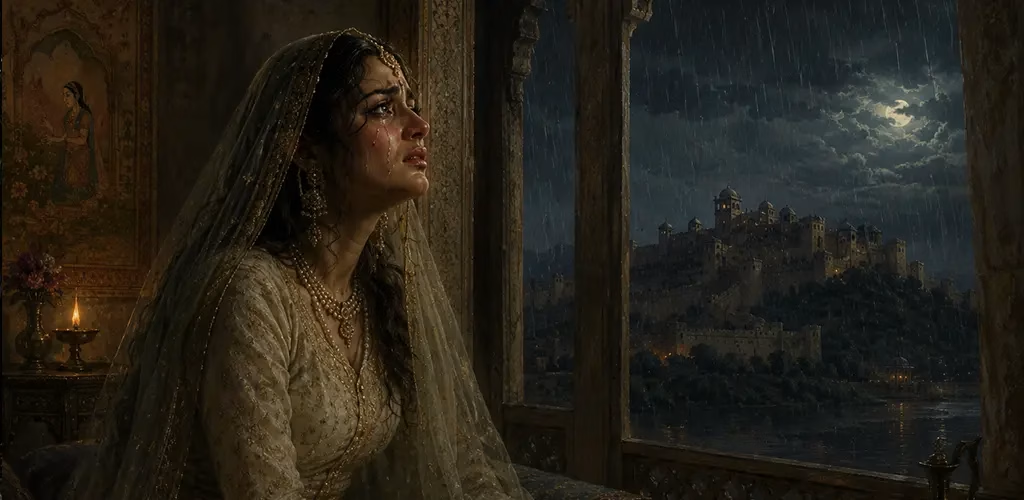
So the people did the only thing they could. They turned their old happy tunes into something new: a slow, aching melody called Raga Kajari. A song that once praised a kingdom now spoke only of loss.
Why the Songs Are Still Sung
Years later, that same feeling of longing found a new home.
Married women across North India began singing Kajri folk songs during monsoon, and many still travel to their parents’ homes for the festival, spending a few days away from their husbands. The old songs about missing a king slowly turned into songs about missing someone close.
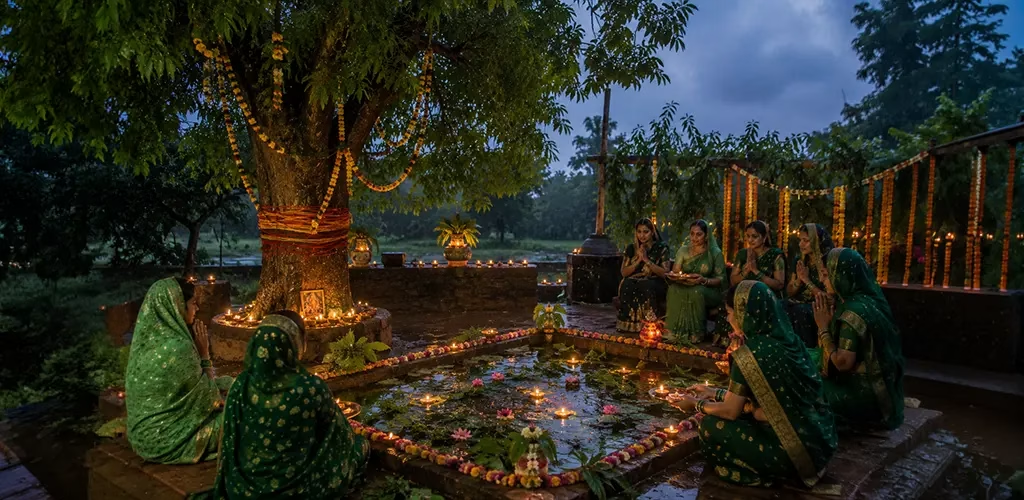
Groups of women gather under neem trees, taking turns on swings and singing late into the evening. The songs may be centuries old, but the feeling inside them still feels familiar.
A Day of Fasting and Small Rituals
Kajari Teej falls in the month of Bhadrapada, and for married women, the day usually starts with fasting.
In the evening, they build a small mud pond, place a neem branch beside it, and offer turmeric and sandalwood while praying for their husband’s well-being. The fast ends only after the moon rises.
In Bundi, Rajasthan, Kajari Teej leaves the home completely.
A grand procession called Shobha Yatra carries decorated idols through the old streets, followed by music, dance, and chanting. Nearby, stalls sell bangles, sweets, and handmade crafts, turning the whole town into a lively fair.
What started as one queen’s private grief slowly turned into a celebration shared by thousands, most of whom have never even heard her name.
The Song That Never Really Stopped
From a queen’s grief to swings under neem trees, and finally to grand fairs like the one in Bundi, Kajari Teej keeps returning every monsoon, carrying the same old feeling in a slightly new form each time.
What started as one woman’s quiet sorrow now brings entire communities together, proving that even loss, when turned into music, can end up sounding a lot like celebration.