From Harela to Black Harela: A Protest To Protect Nature In Uttarakhand
A festival meant to celebrate nature is today suddenly being used to protect it.
The people of Uttarakhand celebrate Harela, a festival of greenery and peace, every year. But it’s not the same anymore. This year, the locals have given it a new name: Black Harela.
The question is – what made the festival of greenery turn black for many people in Uttarakhand?
The answer begins with the Harela itself.
Harela: The Festival That Celebrates Nature
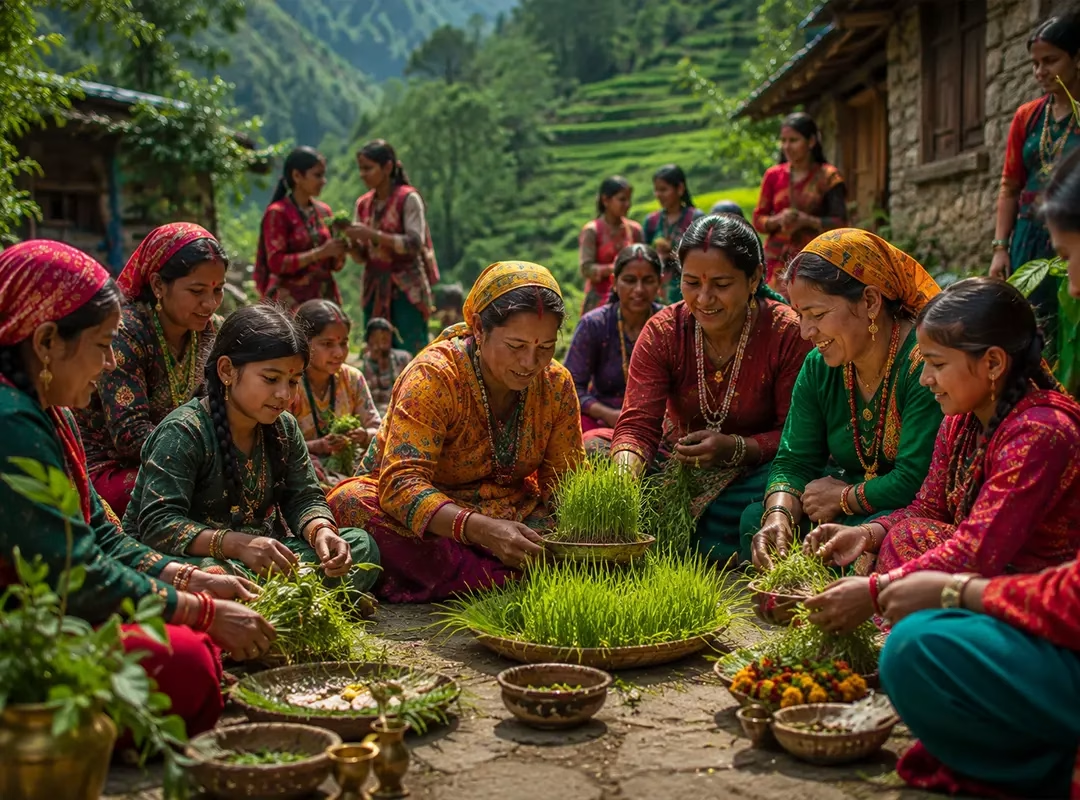
The story of Harela begins in the fields and mountains of Uttarakhand. The word Harela itself means “Day of Green.” For generations, people in the state have celebrated this festival to mark the beginning of the sowing season and to pray for a good harvest.
The celebrations actually begin 10 days before the festival. The head of the family takes small leaf bowls or clay pots and fills them with rich soil. They sow five to seven types of grains, like wheat, barley, and maize. For the next nine days, these seeds are kept inside the house, away from direct sunlight, and watered every single morning.
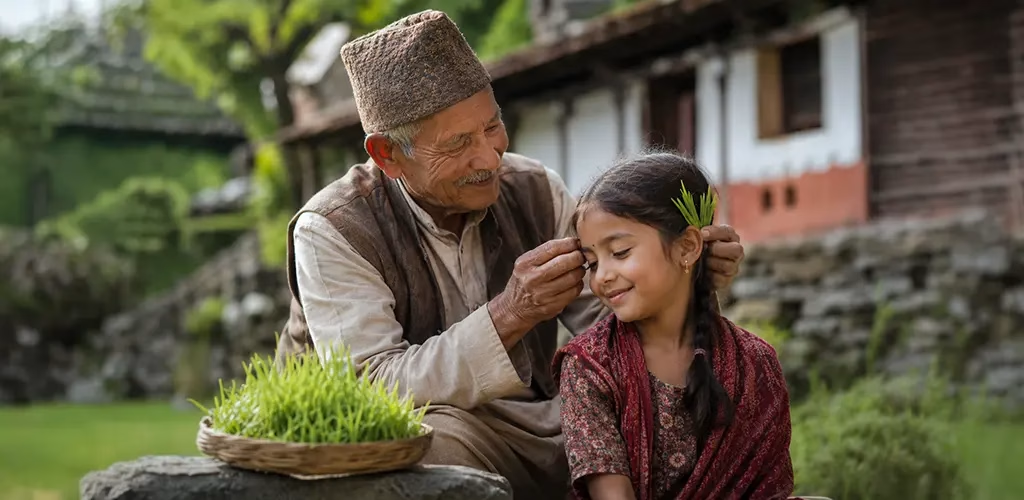
By the tenth day, the seeds grow into delicate yellow-green shoots. On the main day of the festival, these shoots, called harela, are cut. Elders give their blessings by placing these fresh leaves on the heads and ears of the younger family members.
But this year, instead of celebrating nature, the people of Uttarakhand are fighting for it.
Why is Harela Being Called Black Harela?
The shift from green to black didn’t happen overnight. It came from a growing concern over a so-called infrastructure development project.
It all started when the National Highways Authority of India (NHAI) proposed expanding the Bhaniyawala–Rishikesh National Highway into a four-lane road. As part of the project, more than 4,000 trees along the Saat Mod stretch were proposed to be cut down.
The proposal distressed the locals.
For them, this forest is far more than a stretch of trees. It is part of a designated elephant corridor that wild elephants have used for generations. The locals have argued that widening the highway on this specific route is not even necessary, and cutting down these mature trees will completely break the local ecosystem.
As the news spread, concern turned into protest.
Black Harela, a Symbol of Protest
People from neighbouring areas, environmental groups, students, and volunteers gathered to oppose the felling of trees. The protestors appealed to the officials to reconsider the project, while some even hugged the trees in an effort to stop them from being cut down.
This growing concern eventually gave birth to the Black Harela movement.
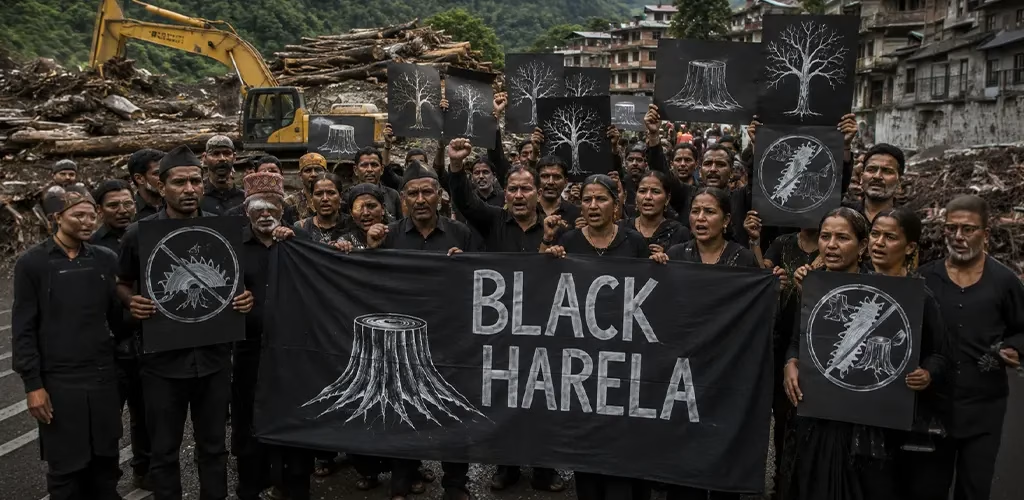
Instead of celebrating Harela in the usual way, the people chose to observe Black Harela as a peaceful protest.
After all, can a festival truly celebrate nature if we fail to protect it?